

Last Updated: October 23, 2026
Quick Summary
High quality dry herb vaporizers deliver consistent vapor production, reliable heating, durable stainless steel construction, and straightforward operation. Identify them by even extraction throughout a session, smooth airflow, medical-grade materials, and replaceable components that let you maintain the device long-term.
- Devices scoring 9 or higher maintain vapor density throughout a full bowl without losing steam partway through
- Medical-grade stainless steel resists corrosion and won't degrade over time, unlike cheaper aluminum or plastic components
- Hybrid heating combines conduction and convection for fast heat-up and excellent extraction evenness with minimal stirring
- Battery-free devices cost less upfront and last longer because there's no battery to degrade over time
- Quality vaporizers use replaceable parts so you can swap worn components instead of buying a whole new device
Table of Contents
- What Makes a Dry Herb Vaporizer High Quality
- Conduction vs Convection Vaporizer Heating Methods
- Evaluating Build Quality and Materials
- Battery-Free Dry Herb Vaporizer Benefits and Trade-offs
- Dry Herb Vaporizer Buying Guide: Key Specifications to Compare
- Dry Herb Vaporizer Maintenance and Long-Term Care
- Understanding Testing Methods and Independent Ratings
- Frequently Asked Questions
What Makes a Dry Herb Vaporizer High Quality
Identifying high quality dry herb vaporizers comes down to understanding what separates a device that delivers real results from one that disappoints. The best devices share specific traits: consistent vapor production, reliable heating, durable construction, and straightforward operation.
A vaporizer's quality isn't about flashy features or unnecessary complexity. It's about how well it performs the core job: extracting flavor and effect from your herb without combustion.
Vapor Production and Consistency
Dense, consistent vapor through an entire session separates quality devices from mediocre ones. When you load a chamber, you want the same vapor quality from the first extraction to the last.
Research from Planet of the Vapes' heavy-hitter comparison shows that devices scoring 9 or higher maintain vapor density throughout a full bowl.
Consistency depends on heat retention in the chamber and how air moves through your herb.
Flavor and Terpene Preservation
Flavor tells you whether a vaporizer is extracting properly. If your herb tastes muted or burnt, something's wrong with the heating or airflow design.
Quality vaporizers preserve terpenes, the compounds that give your herb its distinctive taste. This happens when the device heats without scorching.
When you switch to a better vaporizer, flavor improvement is usually the first thing you notice. It's immediate and obvious.
Conduction vs Convection Vaporizer Heating Methods
Understanding heating methods helps you choose the right device for your needs.
Conduction heating means your herb touches a hot surface directly. The device heats quickly and delivers powerful extractions.
Convection heating passes hot air through your herb without direct contact. This gives more even extraction and requires less stirring.
Many quality vaporizers use hybrid heating, combining both methods.
| Heating Method | Heat-Up Time | Extraction Evenness | Stirring Required |
|---|---|---|---|
| Conduction | Fast | Moderate | Yes |
| Convection | Moderate | Excellent | Minimal |
| Hybrid | Fast | Excellent | Minimal |
Evaluating Build Quality and Materials
Build quality determines whether your vaporizer lasts years or falls apart in months. This is where you separate devices built to last from throwaway options.
Stainless Steel and Medical-Grade Construction
Medical-grade stainless steel is the gold standard for vaporizer construction. It resists corrosion, handles repeated heating cycles, and won't degrade over time.
Cheaper devices use aluminum or plastic components. These materials break down faster and can affect flavor. Stainless steel costs more upfront but pays for itself through longevity.
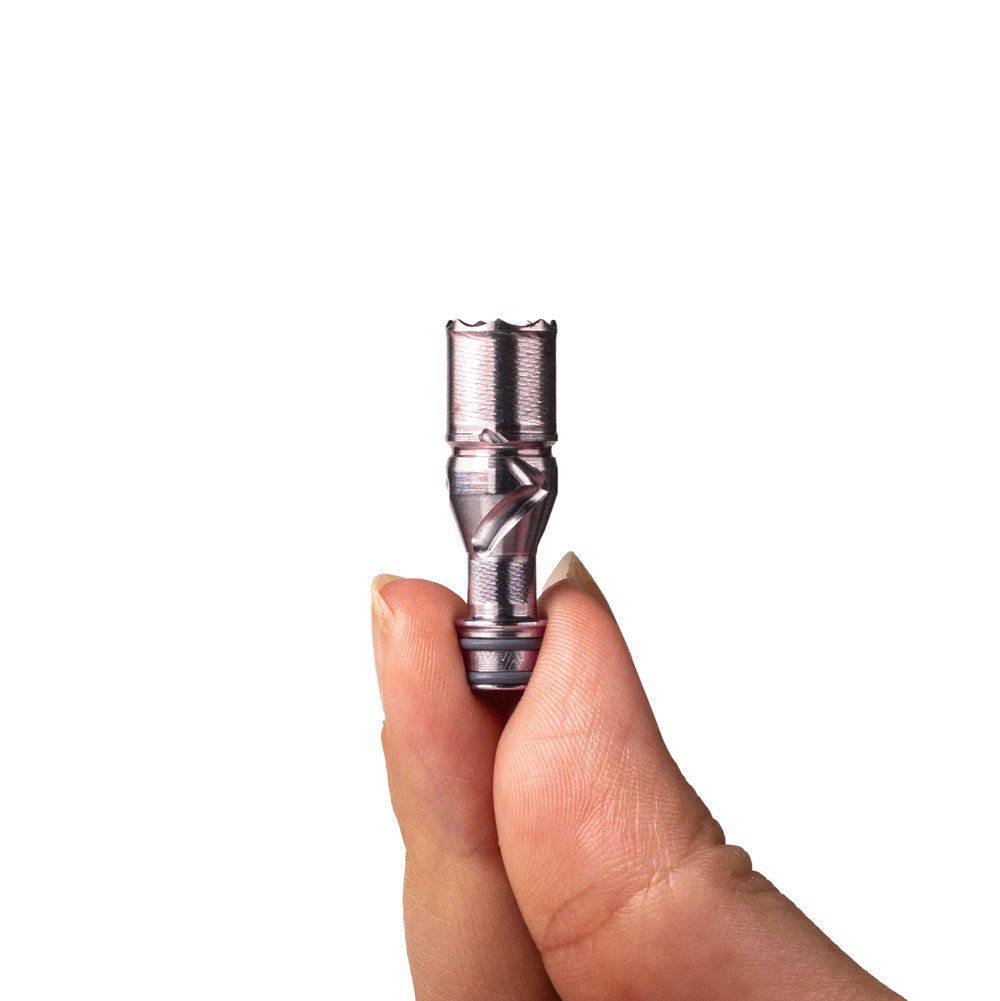
When you inspect a device, check the chamber, stem, and cap. If they're solid stainless steel with smooth welds and no sharp edges, you're looking at quality construction.
Durability and Longevity
A vaporizer built to last means fewer replacements and better long-term value. Quality devices use replaceable parts so you can fix issues instead of buying new.
The best vaporizers come with accessible components.
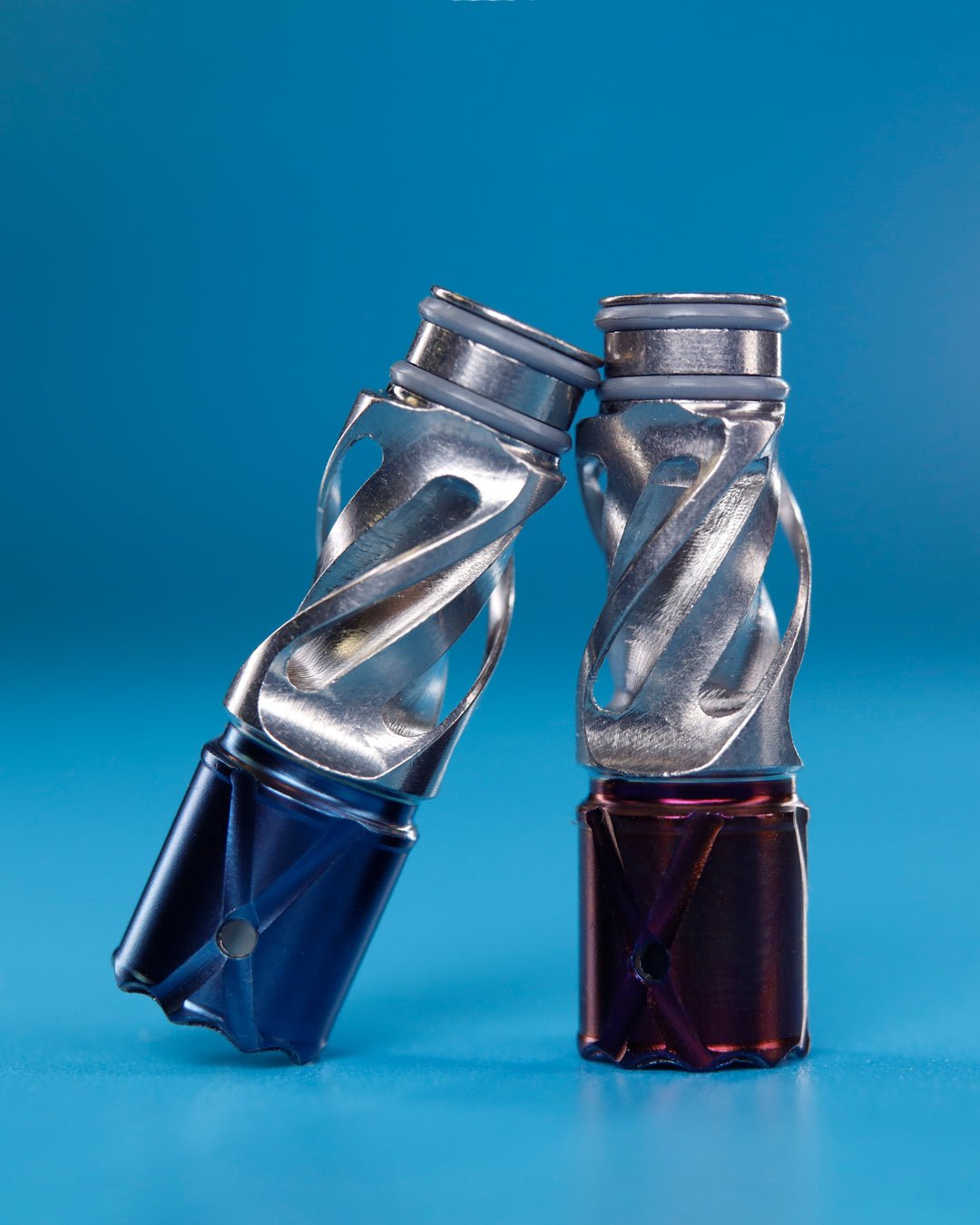
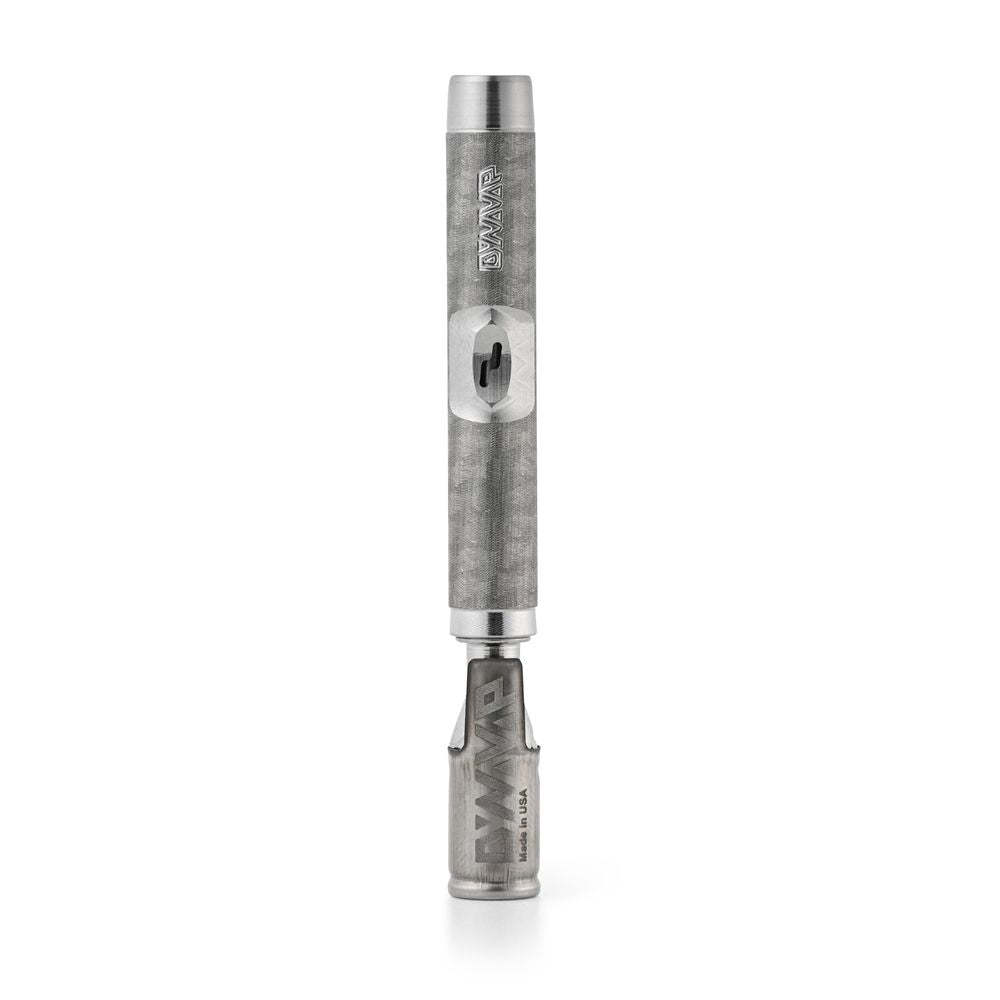
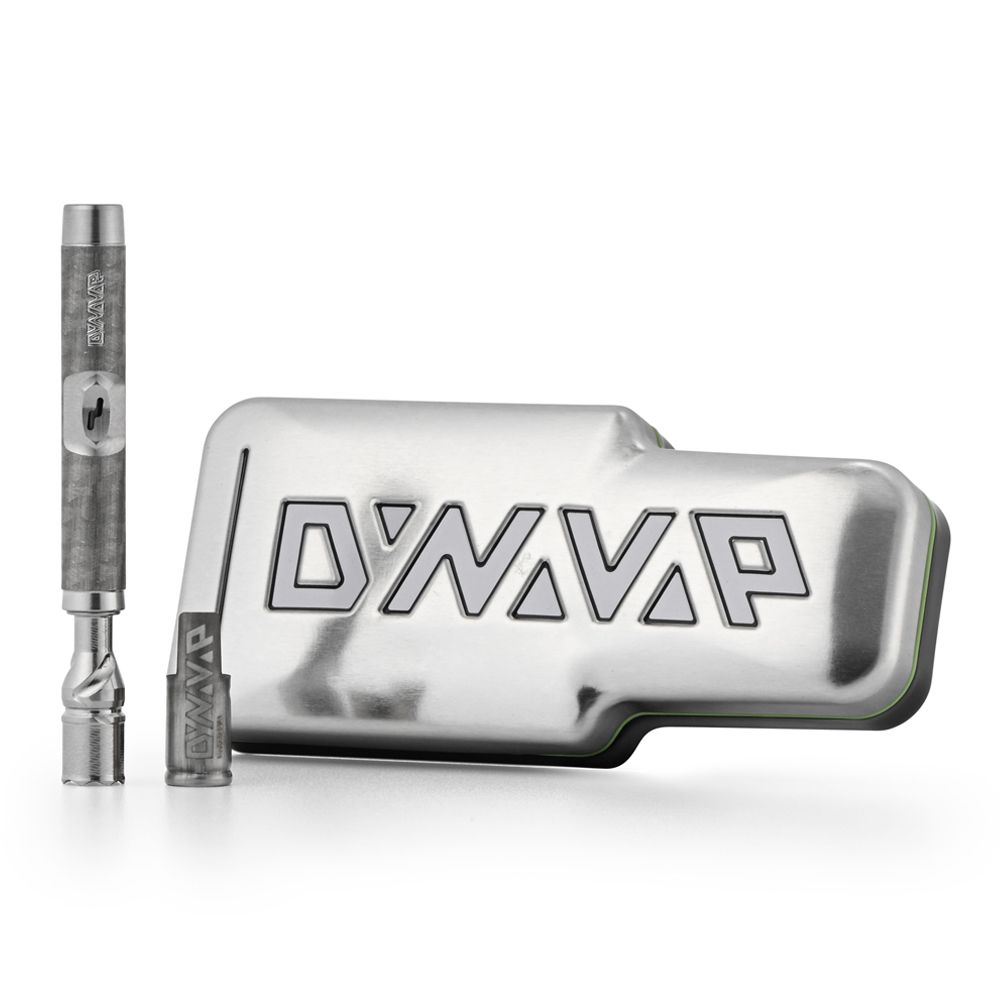
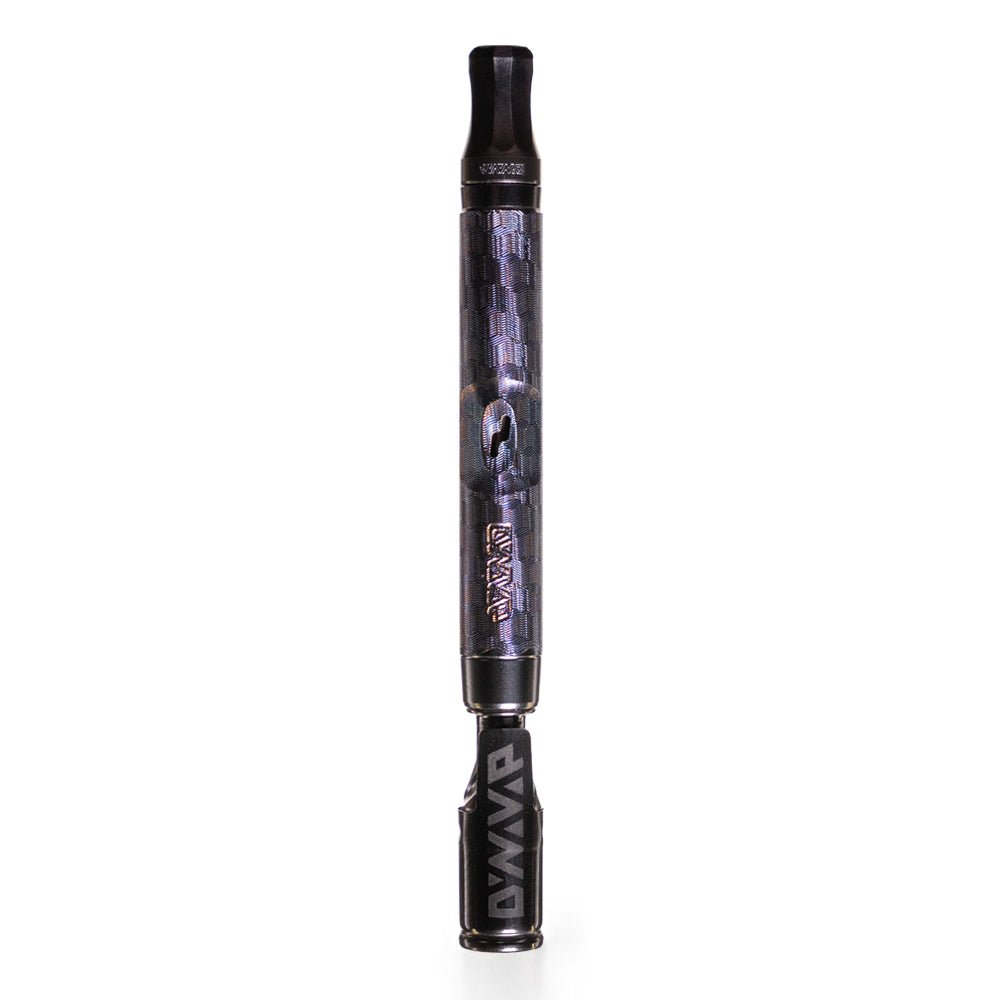
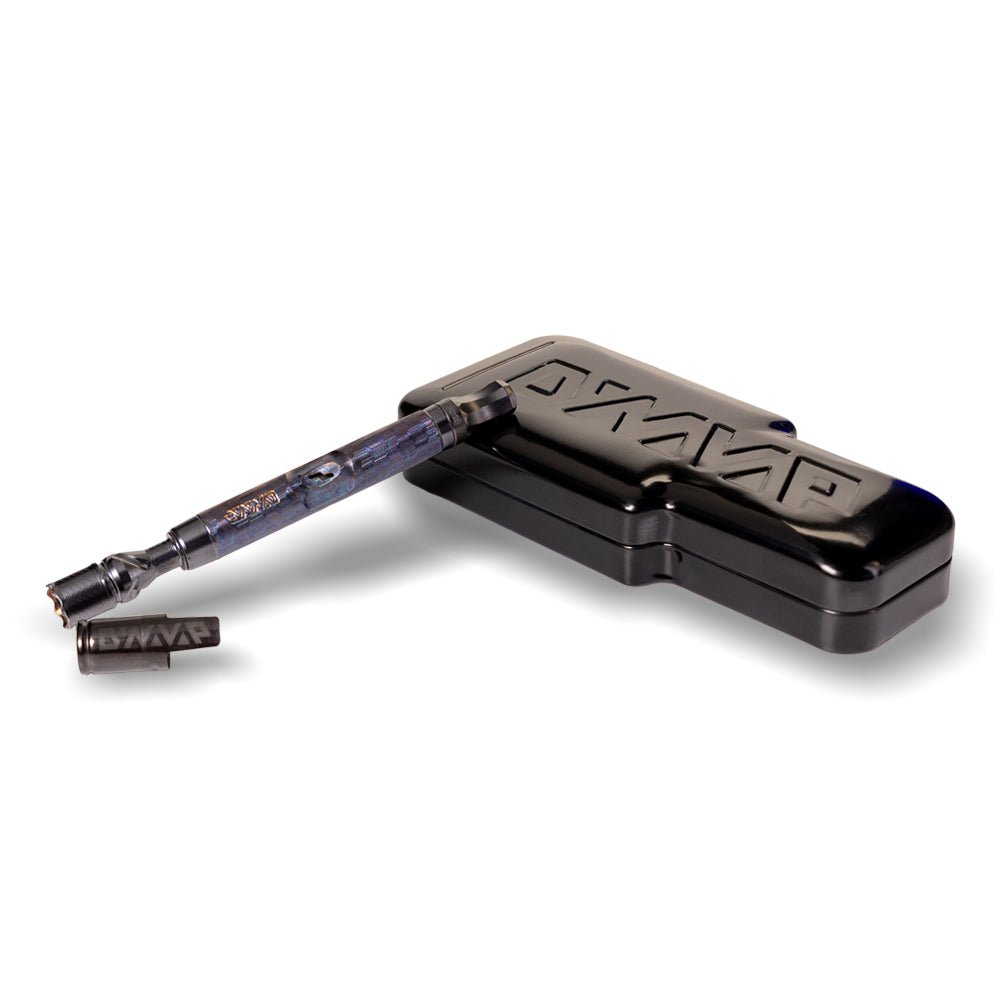
DynaVap devices are built to last a lifetime because they're designed and manufactured in-house with materials chosen for durability. Simple, strong construction means fewer things to break.
Battery-Free Dry Herb Vaporizer Benefits and Trade-offs
Battery-free devices use torch or induction heating instead of internal electronics. This approach has real advantages and some practical considerations.
The benefits:
- No batteries to charge or replace
- Simpler design with fewer parts to break
- Works anywhere without electricity
- Typically costs less than electronic devices
The trade-offs:
- Requires a torch or separate induction heater
- Learning curve for heat timing
- Manual operation instead of one-button simplicity
If you travel frequently or want a device that works anywhere, battery-free makes sense. If you prefer automatic operation, an electronic vaporizer might suit you better.
Induction heaters offer a middle ground. They use a battery but charge your vaporizer wirelessly. Explore the battery-free vaporizer collection to see practical examples of this approach.

Dry Herb Vaporizer Buying Guide: Key Specifications to Compare
Specs only matter when they change how a device performs in your hand. Here's how to read the numbers that actually affect a session, plus the ownership costs most buyers forget to add up.
Chamber Size and Extraction Efficiency
Chamber size sets how much herb you load per session. The standard Tip on most quality devices is a regular size in the 0.1g range, which balances efficiency with a reasonable session length. Smaller chambers exist for microdosing, but the regular 0.1g range is the practical default for most people.
Extraction efficiency is how much vapor you get from a given amount of herb. A well-designed chamber heats evenly across the material, so you extract more from less.
Airflow Design and Draw Resistance
Airflow controls how easily you pull vapor through the device. Draw resistance that's too high makes sessions tiring; too low and the vapor cools before it reaches you.
Quality devices have smooth, unrestricted air paths with minimal turbulence between chamber and stem. When you test a device, take a few gentle pulls. It should feel natural, not like breathing through a straw. If you have to fight the draw, the airflow design is working against the heating.
Portability and Ease of Use
Portability is size, weight, and whether you need external equipment.
Ease of use matters more than specs. If a device is fiddly to load, hard to grip, or the controls aren't obvious, you won't reach for it. Look at grip, visibility of the chamber, and how easy it is to clean.
Browse portable vaporizers to compare specifications and find models matching these criteria.
Total Cost of Ownership
Purchase price is only the first number. Add up what you'll spend over a year or two: screens, seals, replacement tips, cleaning supplies, and batteries if the device uses them.
Battery-free devices like the B2 and M 7 shift that math. There's no battery to replace, and the wear parts are simple and replaceable. A modular design means you swap a screen or a tip instead of buying a whole new device. This offers a better long-term value compared to devices that require full replacement.
Repairability and Long-Term Reliability
Ask three questions before you buy: Can I get replacement parts? Can I swap them without special tools? Does the maker stand behind the device after the first month?
Quality devices are built around replaceable components. If a cap wears out or a screen needs changing, you should be able to handle it yourself.
Learn about methods to maximize efficiency and discover how to get more from your investment long-term.
Dry Herb Vaporizer Maintenance and Long-Term Care
Proper maintenance keeps your vaporizer performing well and extends its life. The good news is that quality devices are easy to maintain.
Cleaning your device:
- Wipe the cap with a soft cloth after each session
- Never soak the cap
- Clean the chamber with a dry brush or cloth between sessions
- Use isopropyl alcohol on the stem if needed, then dry thoroughly
Simple wipe-down cleaning prevents buildup and keeps your device working smoothly. Avoid soaking parts, which can damage seals and finishes.
Quality materials make cleaning easier. Stainless steel resists staining and doesn't require special solvents. Borosilicate glass can handle isopropyl alcohol without degrading.
Learn about methods to maximize efficiency and discover how to get more from your investment long-term.
Understanding Testing Methods and Independent Ratings
Most vaporizer reviews are product roundups with a score attached. Very few tell you how that score was produced. Learning to read the methodology behind a rating is the fastest way to tell a real test from a marketing claim.
What a Credible Test Looks Like
A repeatable test states its criteria up front and applies them the same way to every device. Look for reviews that name what they measure, such as vapor density, consistency across a session, heat retention, and ease of use, and that explain how each is scored.
Less rigorous reviews use vague labels like "quality" or "performance" without defining them. When you can't tell what's being measured, you can't trust the number.
Questions to Ask About Any Rating
- Does the review disclose its scoring criteria, or just hand out a number?
- Are scores broken down by category (vapor quality, build, ease of use, value), or collapsed into one figure that hides trade-offs?
- Does the tester explain how the device was used, or only the result?
- Is there any disclosure of how the device was obtained, which can hint at bias?
A breakdown by category is more useful than a single score because it lets you weight what matters to you. A device that scores high on vapor but low on repairability tells you something a single number never could.
Reading Between the Lines
Watch for reviews that test only first impressions. A device can feel great out of the box and disappoint after a month of use.
Also notice whether a review treats battery-free devices fairly. A torch-powered device and an electronic one solve the same problem differently, and a test that only rewards push-button convenience misses what battery-free design is better at: fewer parts, no battery to degrade, and simple maintenance.
Frequently Asked Questions
What features should I look for in a high quality dry herb vaporizer?
Look for consistent vapor production throughout a full bowl, even heat distribution to prevent scorching, and efficient extraction that stretches your material. Quality devices use medical-grade stainless steel construction, offer reliable heating methods (either conduction or convection), and include precision features like adjustable airflow and temperature control. The design should be durable enough to handle regular use without degradation, and the heating chamber should be engineered to prevent hot spots.
How do conduction vs convection vaporizers differ in performance?
Conduction vaporizers heat material through direct contact with a heated chamber, delivering quick extraction and robust flavor. Convection vaporizers use heated air to extract, offering more even heating and less risk of scorching. Many quality devices use a hybrid approach that combines both methods. The choice depends on your preference for speed versus precision, conduction excels for immediate results, while convection provides finer control over the extraction process.
Are battery-free dry herb vaporizers worth buying compared to electronic ones?
Battery-free vaporizers offer significant advantages: they're simpler mechanically, require no charging, work anywhere without electronics to fail, and often last decades. They do require a heat source like a torch or induction heater, but this hands-on approach gives you complete control over extraction. Battery-free models typically cost less upfront and have virtually no electronic components to wear out, making them a solid long-term investment if you prefer a straightforward, durable device.
How often should I clean my dry herb vaporizer for optimal performance?
Regular maintenance keeps your device performing at peak level. After each session, allow the device to cool, then wipe down the cap with a soft cloth to remove residue. For deeper cleaning, disassemble removable parts monthly and gently clean them. Never soak the cap; instead, use isopropyl alcohol on a cloth for stubborn buildup on other components. Keeping your heating chamber and airflow paths clear ensures consistent vapor production and prevents flavor degradation over time.