

Table of Contents
- Why Switch From Smoking to Vaping
- How to Switch From Smoking to Vaping
- What to Expect When Switching From Smoking to Vaping
- Tips for Switching From Smoking to Vaping
- Why Vaping Feels Different From Smoking
- Avoiding Dual Use and Staying Committed
- Frequently Asked Questions
Last Updated: October 10, 2026
Why Switch From Smoking to Vaping
When you switch from smoking to vaping, you eliminate the burning process entirely. This changes everything about the experience, from flavor to efficiency to how your body responds.
The core appeal is straightforward: vaping extracts the compounds you want without the byproducts of combustion. Research from Nicotine & Tobacco Research indicates that people switching to vaping often report improved respiratory function compared to continued smoking. This isn't just theory.
Combustion-Free Extraction
Combustion burns plant material and creates smoke and unwanted byproducts. Vaping heats your herbs so the active compounds vaporize without igniting the plant material. This distinction matters.
Eliminating combustion removes irritants from the equation. The vapor you inhale is cleaner and gentler. Many people notice less coughing and easier breathing immediately.
Flavor and Efficiency
When you switch from smoking to vaping, you'll notice how much flavor you've been missing. Combustion destroys terpenes, the compounds responsible for taste and aroma. Vaping preserves them, so you taste the full spectrum of your herbs.

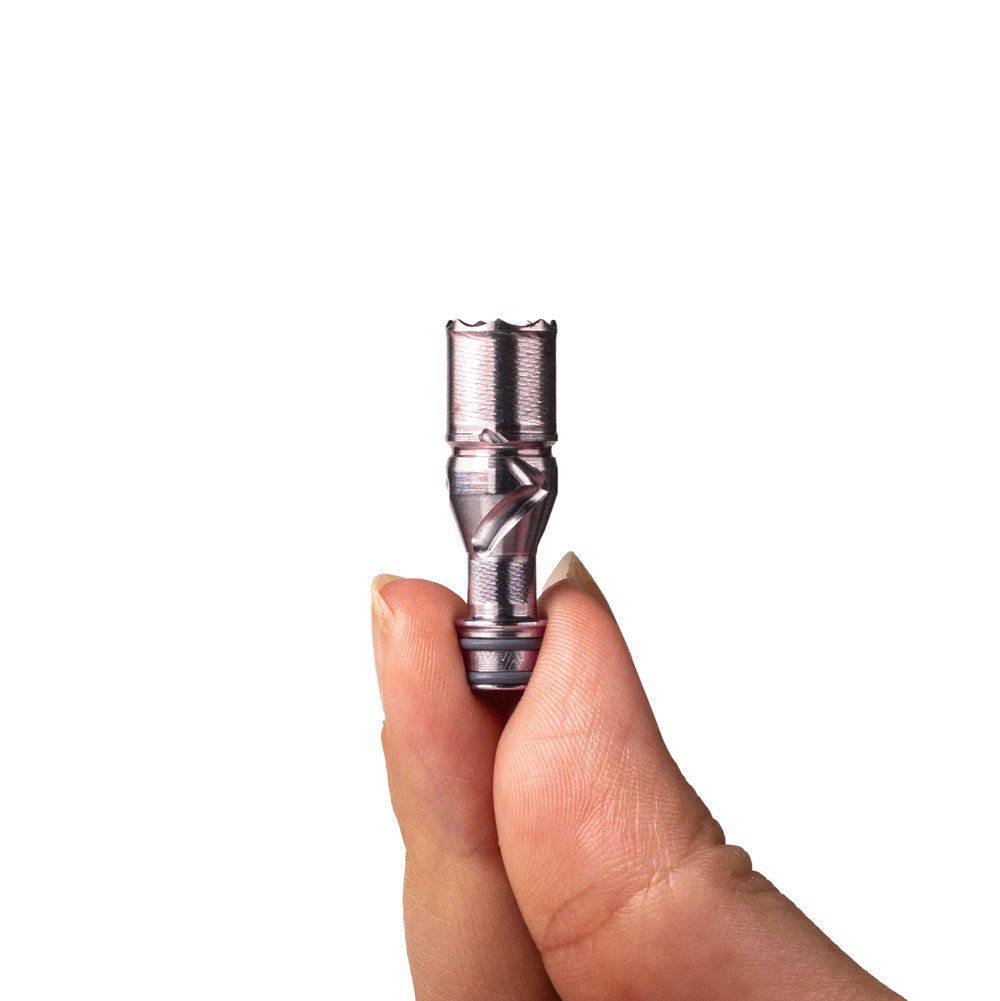
A standard tip chamber holds about 0.1 grams and stretches into multiple satisfying sessions. Many users report getting three times the value from the same amount of material compared to traditional smoking.
Long-Term Savings
If you consume the same amount of herbs but get three times the extraction, your spending drops proportionally. Vaping devices built to last eliminate the cycle of replacing broken equipment every few months.
A torch or induction heater is a one-time investment. Induction heaters do use a battery, but they're rechargeable, designed for years of use, and most have replaceable batteries.
How to Switch From Smoking to Vaping
The transition itself is straightforward, but understanding your options makes the process smoother. Most people find success by choosing the right device and heat source, then giving themselves time to adjust to a different technique.
Choose Your Device
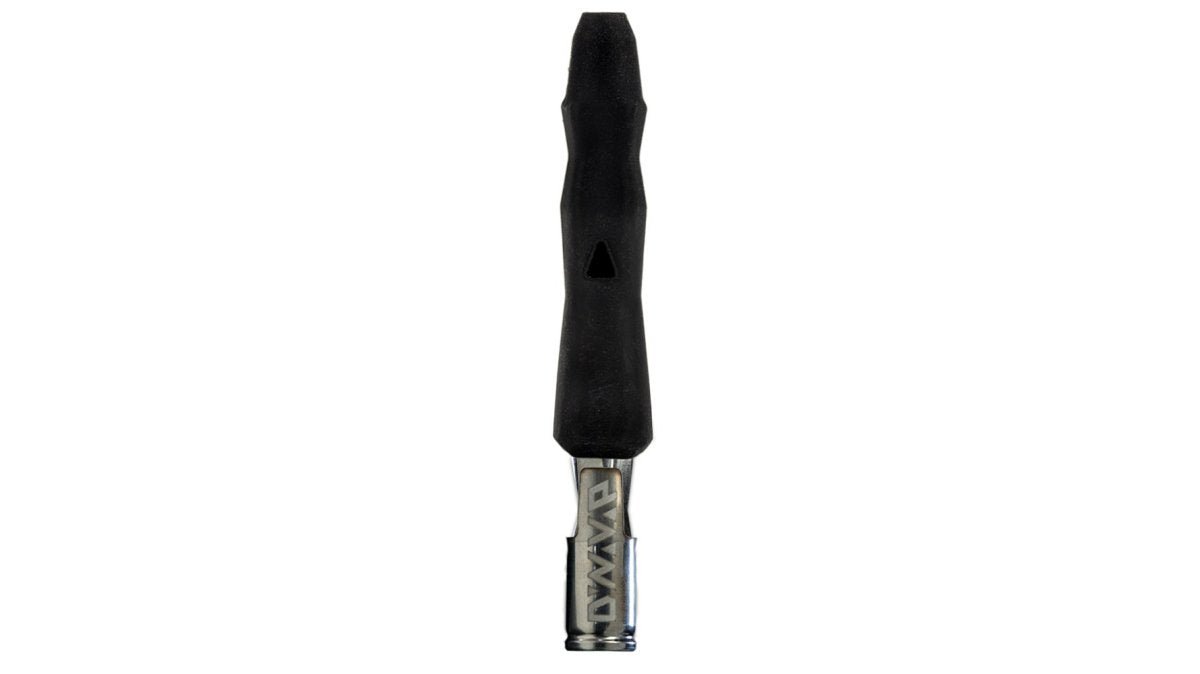
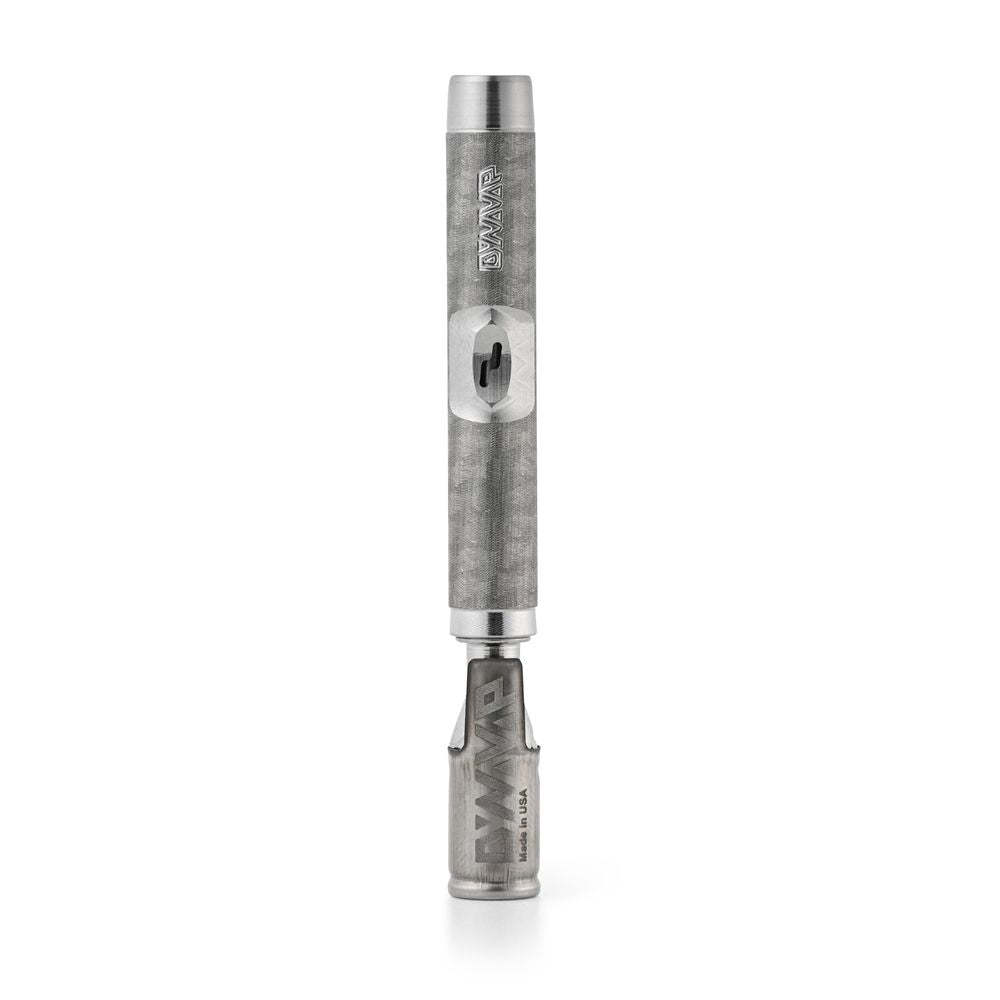
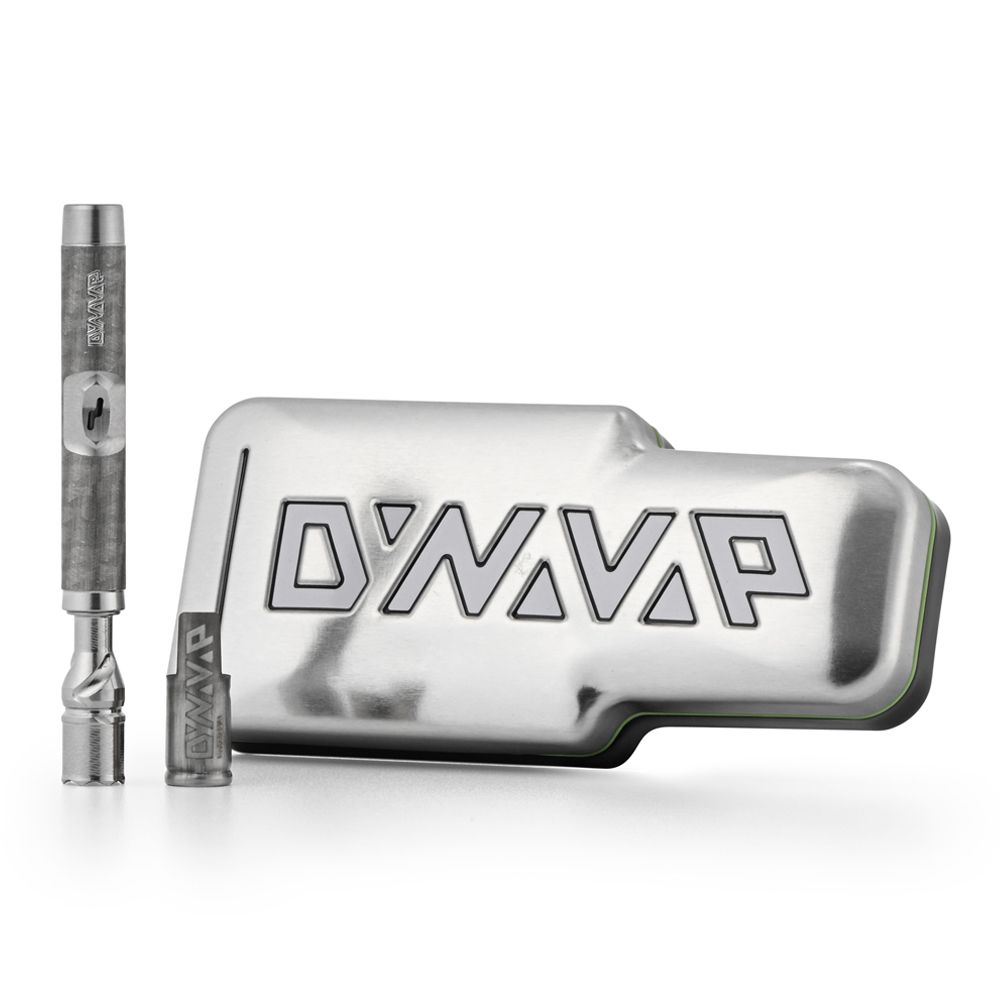
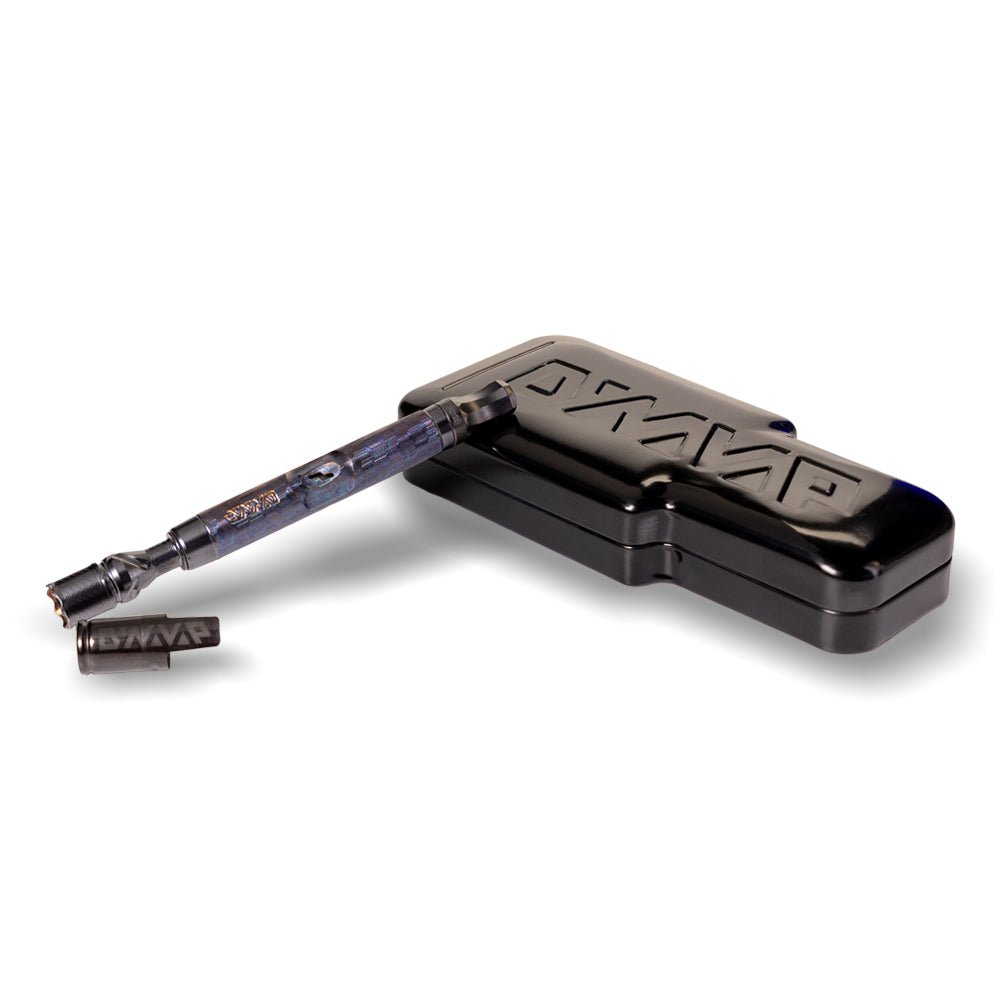
For new users switching from smoking, the M 7 Starter Pack offers everything required to begin: the device, a torch, a carrying case, cleaning supplies, and a grinder.
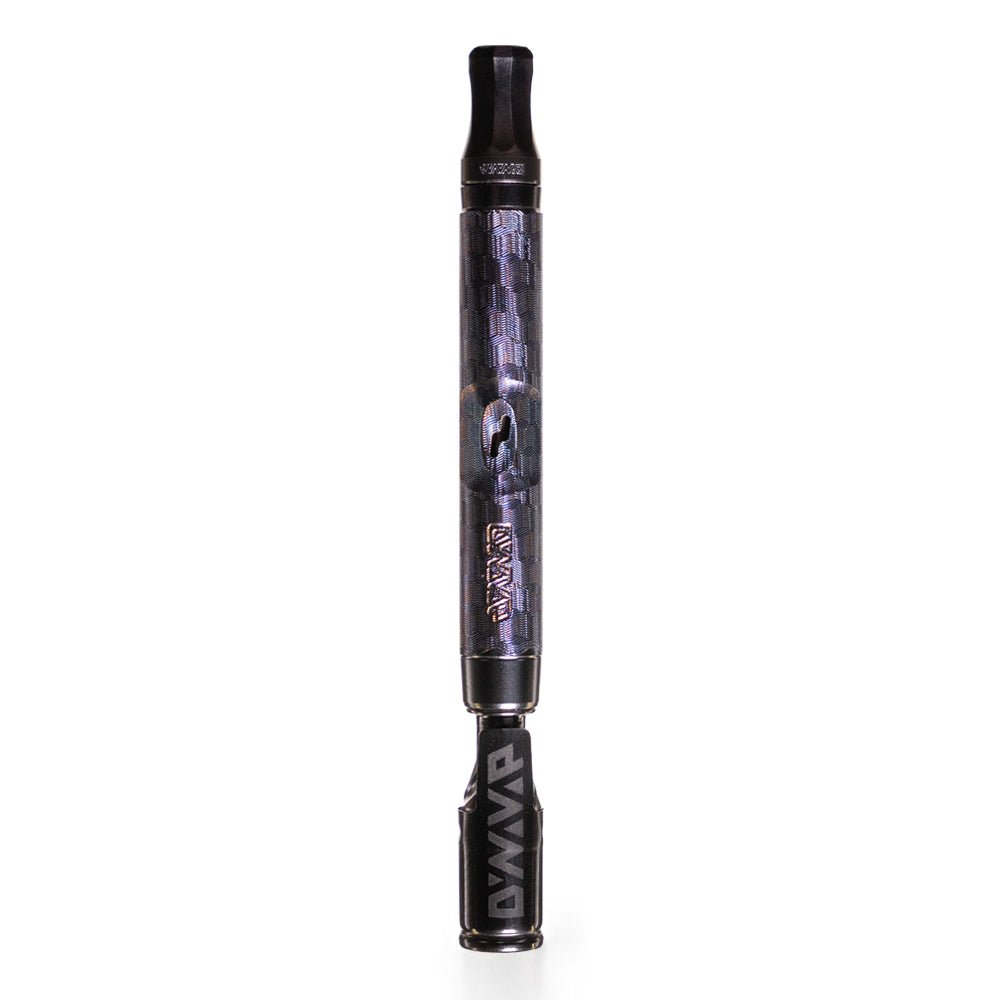
The M 7 XL Starter Pack provides the same functionality with a longer device, useful if you prefer cooler vapor, and a different handfeel.

For returning customers already familiar with extraction, options like the VonG X offer refined performance and portability. The choice depends on your priorities: simplicity, session length, or specialized features.
Select Your Heat Source
Two primary options exist: a butane torch or an induction heater. Torches are portable and require no charging, ideal for travel and outdoor use. Induction heaters offer convenience and precision, just place your device and it heats automatically. They do use a battery, but the hands-off approach appeals to many users.
Most people starting out choose a torch because it teaches you the fundamentals of the extraction process.
Start With Smaller Sessions
When you switch from smoking to vaping, start with smaller amounts. Use the Adjust-a-Bowl feature to reduce chamber size by half, letting you practice your technique without wasting product.
Smaller sessions help you adjust to vapor instead of smoke, a gentler transition most people find more comfortable.
What to Expect When Switching From Smoking to Vaping
The experience of vaping differs from smoking in ways both obvious and subtle. Understanding these differences prevents frustration and helps you appreciate what makes vaping distinct.
Adjustment Period
Your first week or two will involve learning. The click-based heating system, one click to begin heating, one click to signal cooldown, is intuitive but requires attention. You're actively participating in the extraction process rather than passively inhaling from a lit object.
Vapor is gentler than smoke. Most people experience less coughing immediately and notice cleaner, less irritating sensations.
Changes in Sensation and Ritual
Vaping creates a different ritual than smoking. With a torch, you're holding the device, managing the flame, listening for the click, and then inhaling. Some people find this ritualistic quality deeply satisfying. Others prefer the simplicity of an induction heater.
Vapor is cooler, less dense, and less irritating to inhale. Sessions are typically shorter because extraction is more efficient.
Tips for Switching From Smoking to Vaping
Success in your transition depends partly on technique and partly on matching your expectations to reality. These strategies address the most common challenges people face.
Find a Familiar Flavor Profile
Your herbs taste dramatically better when vaporized. Starting with a familiar flavor helps ease the transition. You'll immediately notice the enhanced flavor profile compared to smoking the same material.
Replicate Your Hand-to-Mouth Habit
Smoking is partly about the physical routine, holding something, bringing it to your mouth, the rhythm of inhalation. Vaping preserves this ritual. The device becomes a familiar object in your hand.
Be Patient With the Learning Curve
The technique is simple but requires practice. You'll learn how long to heat, how to recognize the click, and how to adjust your inhalation. Most users feel confident within 3-5 sessions. The device provides clear feedback, the click tells you when extraction temperature is reached.
Why Vaping Feels Different From Smoking
The physical experience of vaping is distinct enough that some people need time to adjust. Understanding why it feels different helps you appreciate the advantages rather than miss what smoking provided.
Vapor vs. Smoke
Smoke is the result of combustion, tiny particles and gases released by burning plant material. Vapor is a mist of active compounds created by heating without burning. Smoke is harsher and leaves residue. Vapor is cleaner and dissipates quickly.
When you inhale smoke, you're exposing your respiratory system to irritants. Vapor is gentler. This difference is why many people report less coughing and easier breathing after switching. It's not a subtle difference, most people feel it immediately.
Avoiding Dual Use and Staying Committed
The goal of switching is to replace smoking entirely, not to add vaping alongside continued smoking. Dual use, doing both, undermines the benefits, extends your transition unnecessarily, and keeps you dependent on combustion. Understanding why dual use is problematic and how to avoid it increases your chances of success.
Why Dual Use Doesn't Work
When you smoke and vape simultaneously, you're maintaining the smoking habit while trying to build a new one. Your brain continues to associate certain triggers with cigarettes.
Research from Tobacco Control journal documents that complete switching delivers better outcomes than concurrent use of both methods. People who use both products are significantly less likely to quit smoking entirely.
Dual use also defeats the efficiency and cost advantages of vaping. If you're still buying cigarettes, you're not realizing the financial benefit.
A Practical Commitment Strategy
Commitment doesn't mean white-knuckling through willpower. It means treating vaping as your primary method and troubleshooting obstacles instead of retreating to cigarettes.
Week 1: Establish the routine. Use your device consistently, even if sessions feel awkward. Practice your heating technique. Pay attention to the click feedback. Load smaller amounts using the Adjust-a-Bowl feature if available.
Week 2: Identify and solve problems. If you find yourself reaching for a cigarette, pause and diagnose. Is the device uncomfortable in your hand? Does your technique need adjustment? Is your heat source working properly? Most obstacles have straightforward solutions:
- Device feels awkward: Try holding it differently, or if you prefer hands-off heating, switch to an induction heater.
- Sessions don't feel satisfying: Check that you're heating long enough (respect both clicks), that you're inhaling slowly and steadily, and that your chamber is loaded properly.
- You miss the ritual of smoking: Torch heating preserves the tactile, deliberate aspect of smoking. If you chose an induction heater, consider switching back temporarily, or vice versa.
Week 3 and beyond: Reinforce the new habit. By this point, most people report that vaping feels natural and cigarettes feel less appealing.
What If Switching Isn't Working
If you've given vaping a genuine three-week trial with a properly functioning device and consistent technique, and you still find yourself unable to stop smoking, that's important information, not a failure.
Some people find vaping doesn't satisfy their needs, and that's okay. Options include:
- Trying a different device or heat source: If the M 7 doesn't feel right, the M 7 XL might suit you better. If torch heating feels cumbersome, an induction heater removes that step. Different setups work for different people.
- Exploring other cessation methods: Nicotine replacement therapy, prescription medications, or counseling from a cessation specialist can work alone or alongside vaping. A healthcare provider or quitline (1-800-QUIT-NOW) can help you explore options.
- Reassessing your readiness: Switching requires genuine motivation. If you're not ready to quit smoking, that's worth acknowledging. You can revisit vaping later when your readiness changes.
The cleaner experience of vaping alone, the flavor, the absence of smoke smell, is what motivates most people to stay committed once they've experienced the difference. Give yourself permission to adjust, troubleshoot obstacles instead of retreating to cigarettes, and seek additional support if needed. Most people who switch successfully do so because they committed to the process and solved problems as they arose, not because they had perfect technique from day one.

Frequently Asked Questions
Is vaping less harmful than smoking?
Switching from smoking to vaping removes combustion from the equation. Combustion produces smoke and harmful chemicals, while vaping creates vapor through thermal extraction. Research published in Nicotine & Tobacco Research shows that people who switched from cigarettes to vaping saw improved respiratory health. However, switching to vaping alone works best—dual use of both cigarettes and vaping may limit potential benefits. The University of Wisconsin Center for Tobacco Research notes that complete switching was associated with better outcomes than concurrent use.
What changes might you notice when switching from smoking to vaping?
Expect a different sensation and ritual. Vapor feels lighter than smoke, and the hand-to-mouth habit feels similar but not identical. You'll likely notice enhanced flavor profiles since vaping extracts without combustion. Some people experience a brief adjustment period as they adapt to the new delivery method. Cravings typically decrease as you adjust to the vaping routine, though this varies by individual.
How can you make the switch from smoking to vaping easier?
Start by choosing a device designed for your needs—the M 7 Starter Pack offers everything beginners need, including a torch and cleaning supplies. Find an herb or flavor profile you enjoy to maintain familiarity. Begin with shorter sessions to let your body adjust. Focus on replicating your smoking routine through the hand-to-mouth ritual and timing of sessions. Be patient with the learning curve; most users find their rhythm within a few days of consistent use.