

Table of Contents
- What Makes a Vaporizer Durable: Build Quality and Materials
- Best Dry Herb Vaporizer 2026: Top Picks for Long-Term Use
- Repairability and Modularity: Why Parts Matter for Durability
- Benefits of Induction Heating for Durable Vaporizers
- How to Clean a Dry Herb Vaporizer to Extend Its Life
- Heavy Metal Testing and Supply Chain Transparency
- Conclusion
- Frequently Asked Questions
Last Updated: September 13, 2026
What Makes a Vaporizer Durable: Build Quality and Materials
The global cannabis vaporizer market hit $7.6 billion in 2026 and is projected to reach $13.1 billion by 2030, according to Grand View Research's Cannabis Vaporizer Market Report. That growth has flooded the market with cheap disposables. Durable vaporizers made in USA workshops take the opposite approach: fewer units, better materials, and a design meant to outlast the person using it. This guide from DynaVap breaks down what separates a device that survives a decade from one that dies in a drawer.
Durability starts with what the device is made of. A vaporizer's air path is the route vapor travels from the chamber to your mouth, and it should be built from materials that resist corrosion and heat cycling. Medical-grade stainless steel and titanium are the two standards worth knowing.
Medical-Grade Stainless Steel and Titanium in the Air Path
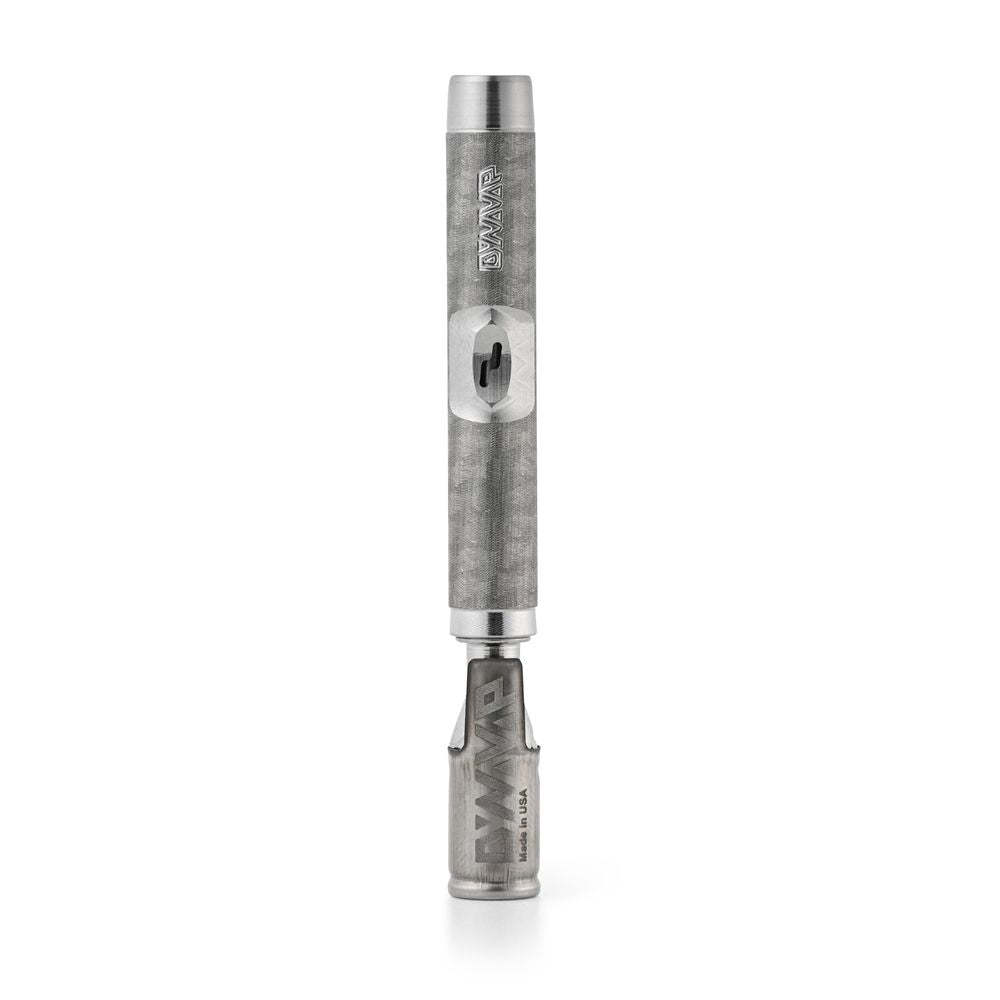
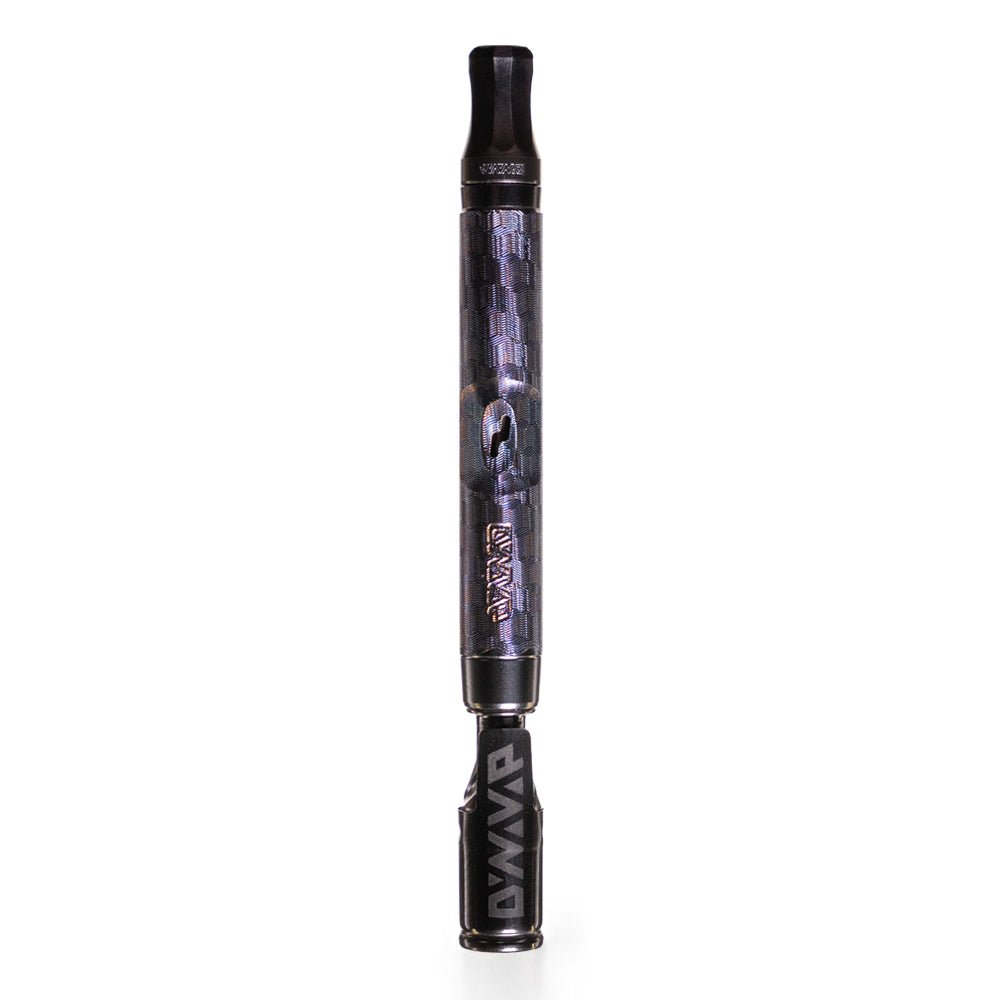
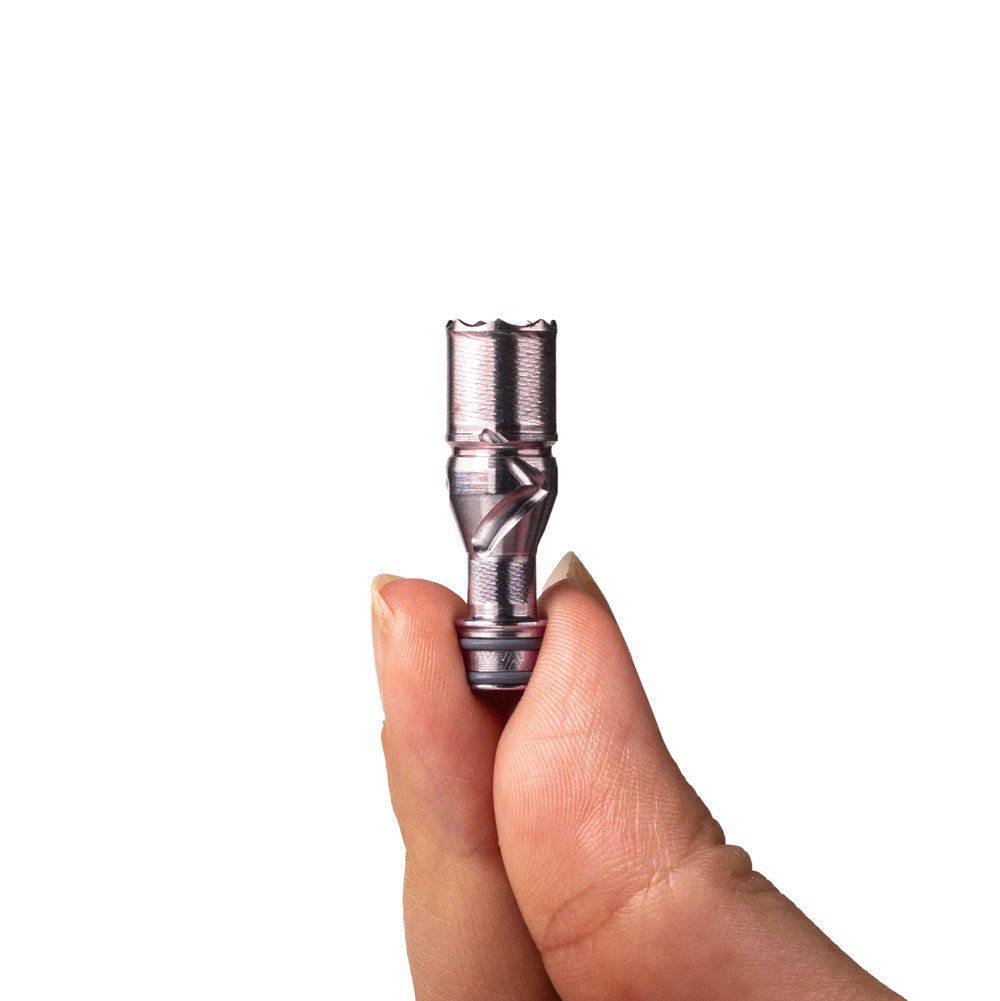
Stainless steel handles heat well and costs less. Titanium is lighter, resists corrosion, and holds up to repeated heating without warping. The VonG X uses a hybrid stainless steel and titanium build with a high-mass stainless steel tip, while the Stealth edition goes all-titanium. Neither material degrades the way plastic housings do.

What actually kills a vaporizer is heat cycling. Every time a device goes from room temperature to extraction heat and back, its materials expand and contract. Plastics and lower-grade alloys fatigue, crack at seams, and slowly shed material into the air path. Titanium and medical-grade stainless steel are chosen precisely because they tolerate thousands of those cycles without measurable deformation. That is the difference between a device that feels the same in year five as it did in week one and one that starts tasting like the inside of a drawer.
Battery-Free vs. Electronic Heating Systems
Battery-free devices remove the single most common failure point in any portable vaporizer: the battery. No charging port, no cell degradation, no firmware. You heat with a torch or an induction heater, and the device itself has nothing to break. Electronic vaporizers trade that reliability for convenience, and the trade is real. A National Institutes of Health study found vaporization produces similar THC uptake to smoking while reducing negative respiratory impacts, so the method matters more than the electronics.
Battery-free also means the device has no software to age out. There is no firmware update that bricks an old unit, no proprietary charger that disappears from the market, and no cell that loses capacity after 300 cycles. The heating source is external, so the hardware you own is just metal, o-rings, and a Cap. That is a short list of things that can fail, and every item on it is replaceable.
Why Modularity Is the Real Durability Test
A device can be built like a tank and still be disposable if you cannot service it. The durability question is not only "will it survive a drop" but "will it still be usable in five years." That comes down to whether the manufacturer sells individual parts. A sealed unit with a glued-in battery is durable right up until the first failure, then it is landfill. A modular unit with a published parts list is durable indefinitely, because the wear items (o-rings, condensers, tips) are the only things that ever need replacing, and they are cheap.
When you evaluate any vaporizer for long-term use, ask three questions: Can I disassemble it without tools? Does the maker sell the individual components? Are the wear parts standard sizes or proprietary? A device that answers yes to all three has no real expiration date.

Best Dry Herb Vaporizer 2026: Top Picks for Long-Term Use
The best dry herb vaporizer 2026 buyers should consider is one you can still use in 2036. Every pick below is built in-house, modular, and backed by replaceable parts.
| Device | Price | Build | Best For | Standout Feature |
|---|---|---|---|---|
| The VonG (i): Titanium | $160 | All titanium | Water piece users | Rotating sleeve airflow control |
| The VonG X | $129 | Titanium + stainless | Daily drivers | Mouthpiece-based airport |
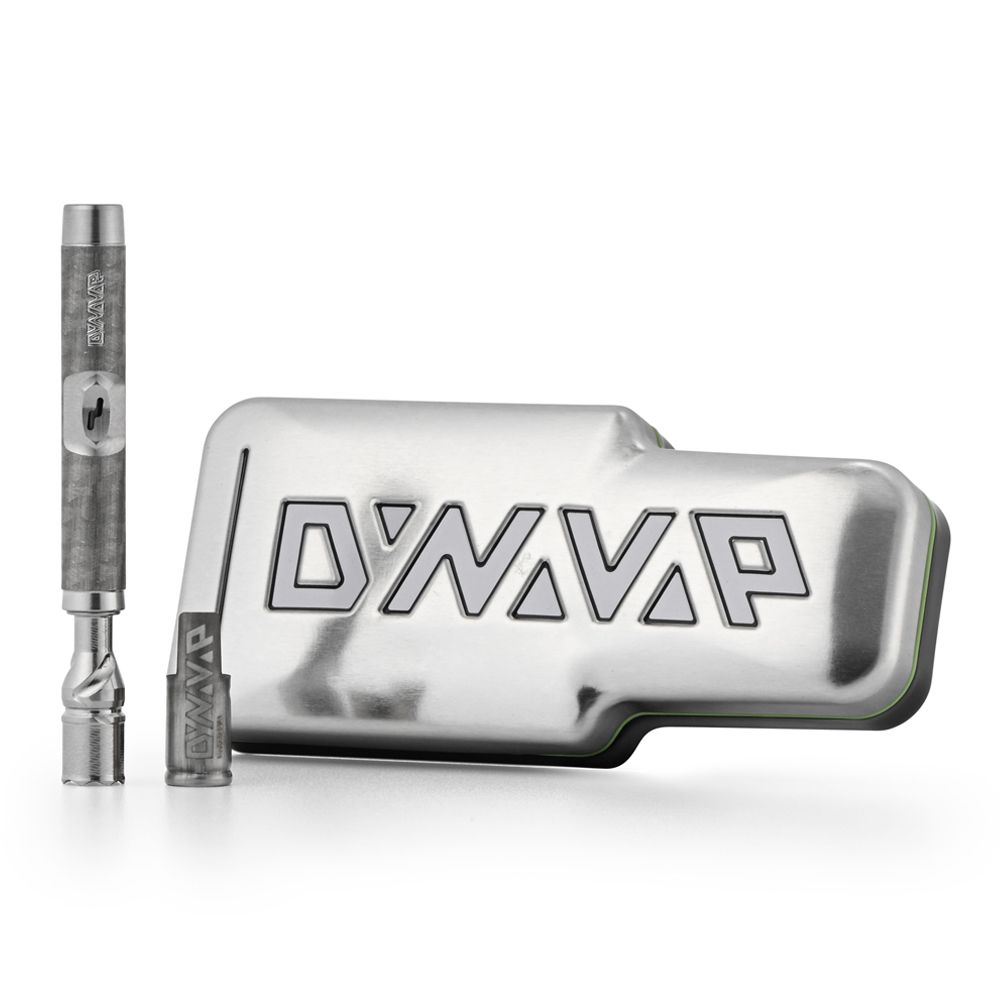
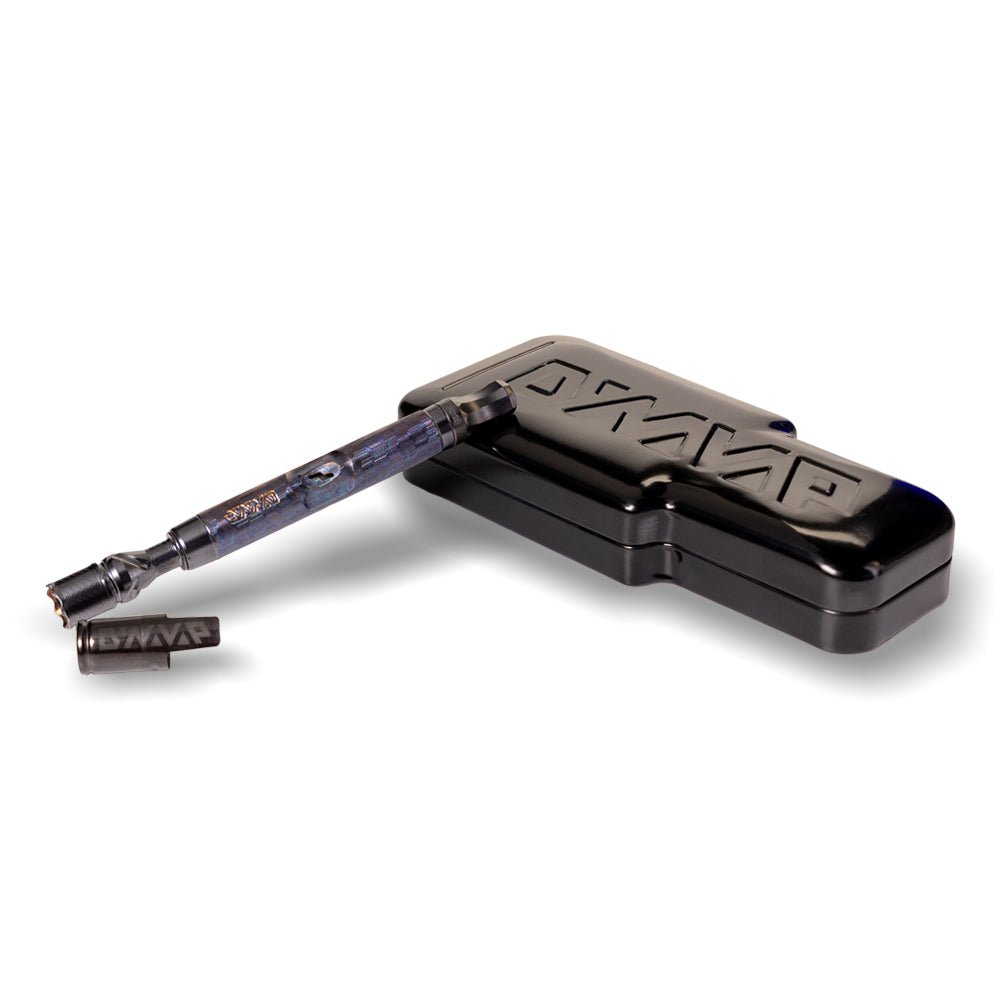
| VonG X - Stealth | $149 | All titanium, DuraDyn finish | Travel and discretion | Scratch-resistant finish |
The VonG (i): Titanium
DynaVap's most solidly built device. The titanium body is thick enough to feel near indestructible, the whole unit disassembles for cleaning, and the 10mm and 14mm tapered mouthpiece fits most water pieces. The rotating sleeve gives you airflow control without fiddling. At $160 it costs more than a disposable, and it will outlast a dozen of them.

The VonG X
The newest VonG. Airflow control moves to the mouthpiece, where a simple twist opens or closes the airport. The high-mass stainless steel tip holds heat for larger extractions, and the standard 0.1g chamber works for both full sessions and microdosing with the adjust-a-bowl. If you want one device for bongs and solo use, start here.
VonG X - Stealth
Same platform, all-titanium construction, DuraDyn Stealth finish. The scratch-resistant coating holds up to pocket carry. The $149 price buys you the lighter build and a Stealth tin case with a silicone insert. Best for anyone who travels and wants a device that still looks new after a year.
Repairability and Modularity: Why Parts Matter for Durability
A durable vaporizer is one you can fix. DynaVap devices come apart completely, and every component is sold separately. If a stem cracks or an o-ring wears out, you replace that part for $29 to $105 instead of buying a new unit. The VonG (i) Stem runs $105, the interchangeable titanium Sleeve is $40, and the VonG X Condenser with Mouthpiece is $29. That modularity is the difference between a device with a lifespan and a device with a warranty period.

Benefits of Induction Heating for Durable Vaporizers
Induction heating uses a battery-powered coil to heat the Cap evenly, with no flame and no guesswork. You get consistent results every session, and the device itself never touches an open flame. It removes the learning curve that trips up new users and keeps your hands free of butane. The tradeoff is that induction heaters do use a battery, so they need charging, and they cost more than a torch. For home use, they're a consistent option. For travel, a torch still wins on size and weight.
How to Clean a Dry Herb Vaporizer to Extend Its Life
Cleaning is where most devices quietly die. Resin builds up in the condenser, airflow drops, and the device starts running hotter than it should. The fix is simple and takes about ten minutes.
- Disassemble the device completely
- Soak metal components in isopropyl alcohol, excluding the Cap
- Wipe the Cap down with a cloth only, never soak it
- Scrub the condenser with a pipe cleaner
- Rinse all parts with warm water and let them dry fully
- Replace worn o-rings before reassembly
- Reassemble and test airflow before your next session
Why Cleaning Is a Durability Habit, Not a Chore
Most guides treat cleaning as a hygiene task. It is actually the single highest-leverage thing you can do for longevity. Resin that hardens in the condenser restricts airflow, which forces you to heat longer, which puts more thermal stress on the tip and o-rings. A device that gets cleaned every week runs cooler and lasts years longer than the identical device that gets cleaned twice a year. The hardware does not wear out from use. It wears out from neglect.
The Parts That Actually Wear Out
On a well-built modular device, only a handful of components ever need replacing. O-rings dry out and lose their seal. Condensers accumulate resin that eventually stains. Tips can be reamed clean for years, but a dropped or cross-threaded tip is the one part that occasionally needs a swap. Everything else, the stem, the sleeve, the mouthpiece, is essentially permanent. That is why a published parts list matters more than a warranty: a warranty replaces the whole unit once, while a parts list keeps the same unit running indefinitely.
A Quick Inspection Routine
Once a month, before you reassemble after cleaning, take thirty seconds to inspect the wear items. Roll each o-ring between your fingers and look for flattening or cracks. Hold the condenser up to a light and check for stubborn buildup near the tip end. Check that the Cap still clicks cleanly on both heat-up and cool-down, one click each way. If any of those three checks fails, replace that single part. This routine is the difference between a device that gets retired at year two and one that is still in daily rotation at year ten.
Heavy Metal Testing and Supply Chain Transparency
Two things separate a durable vaporizer from a durable vaporizer you should actually trust: documented material sourcing and independent testing. Manufacturers are increasingly leaning on domestic production credentials as trade tensions and regulatory crackdowns reshape the market, per Reuters reporting on vape manufacturing. The same reporting notes at least eight new American vape brands appeared between October 2025 and April 2026, many unlicensed and untested.
That's the gap worth caring about. A device that publishes its material specs and tests for heavy metals in the air path is a different product category from an unlabeled import. Ask any manufacturer for their material documentation before you buy. If they can't produce it, that answers the question.
Conclusion
The market is moving toward disposables, and that's precisely why durable devices matter more now than they did five years ago. A device built from titanium and stainless steel, made in-house, and sold with replaceable parts is a one-time purchase rather than a subscription to landfill. DynaVap builds thermal extraction devices that way, with a battery-free design, a modular parts system, and a 90-day money-back guarantee. Get started with DynaVap and stretch your herb up to 3X while owning hardware that lasts.
Frequently Asked Questions
Are there dry herb vaporizers manufactured in the USA?
Yes. DynaVap designs, engineers, and manufactures its thermal extraction devices in-house in the USA, using materials like medical-grade stainless steel and titanium. If domestic manufacturing matters to you, look for brands that state where the device is actually built, not just where the company is headquartered.
What makes a vaporizer durable?
Three things matter most: the materials in the air path and body, how the device is assembled, and whether replacement parts exist. Titanium and stainless steel resist corrosion and wear better than plastic housings. Battery-free designs also remove the component most likely to fail first, since there is no battery to degrade over time. A device you can take apart, clean, and rebuild tends to outlast one that is sealed shut.
How do battery-free vaporizers compare to electronic models?
Battery-free vaporizers rely on a torch or an induction heater instead of an internal battery, so there is nothing to recharge and no battery to replace after a few years. Electronic models offer push-button convenience but add a battery, circuitry, and charging ports as potential failure points. If you want a device that still works after a decade, battery-free is the simpler path. Induction heaters do use a battery, so factor that in if you go that route.
How can I ensure my vaporizer lasts a lifetime?
Clean it regularly, store it properly, and buy a device with replaceable parts. For DynaVap devices, wipe the cap down rather than soaking it, and disassemble the stem and condenser for a deeper clean when airflow tightens. Keep spare O-rings and screens on hand. Because the VonG (i) and VonG X are modular, you can swap a stem, sleeve, or condenser instead of replacing the whole unit.
Why is material quality important for dry herb vaporizers?
The air path is what your vapor travels through, so the materials there affect both flavor and how long the device holds up. Titanium and medical-grade stainless steel resist heat and corrosion, do not impart off-flavors, and handle repeated heating cycles without warping. Lower-grade metals and plastics can degrade over time. That is why heavy metal testing documentation and stated build materials are worth checking before you buy.