

Table of Contents
- What Makes a Thermal Extraction Device Worth Buying
- Why a Battery-Free Dry Herb Vaporizer Deserves Your Attention
- DynaVap B2 and M Series: Picks for New and Returning Users
- Torch vs Induction Heater for Dry Herb Vaporizer Sessions
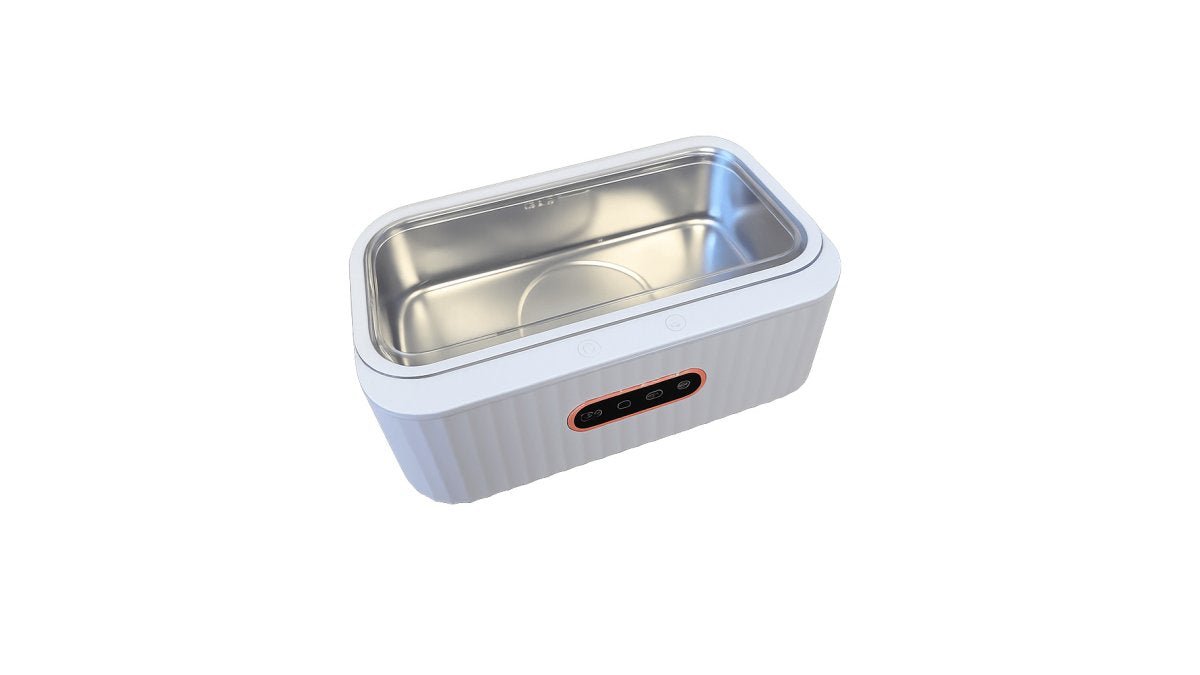
- How to Clean a DynaVap Without Damaging It
- Portable vs Desktop Thermal Extraction Devices
- Conclusion
- Frequently Asked Questions
Last Updated: October 12, 2026
What Makes a Thermal Extraction Device Worth Buying
A thermal extraction device is a battery-free tool that heats dry herb until the active compounds release as vapor, without burning the plant material. The global cannabis vaporizer market reached USD 2.26 billion in 2025 and is projected to hit USD 2.54 billion in 2026, according to Global Market Insights' cannabis vaporizer market report, which tells you demand for smoke-free hardware keeps climbing.
At DynaVap, we build these devices in-house, and we've watched the category split into two camps: electronics that die in a drawer, and manual tools that outlast their owners.
That last point matters more than most buyers realize. Battery-free devices from DynaVap hold a 4.7/5 rating across more than 10,000 reviews, and our thermal extraction approach lets users stretch their stash up to 3X compared to traditional smoking.
Why a Battery-Free Dry Herb Vaporizer Deserves Your Attention
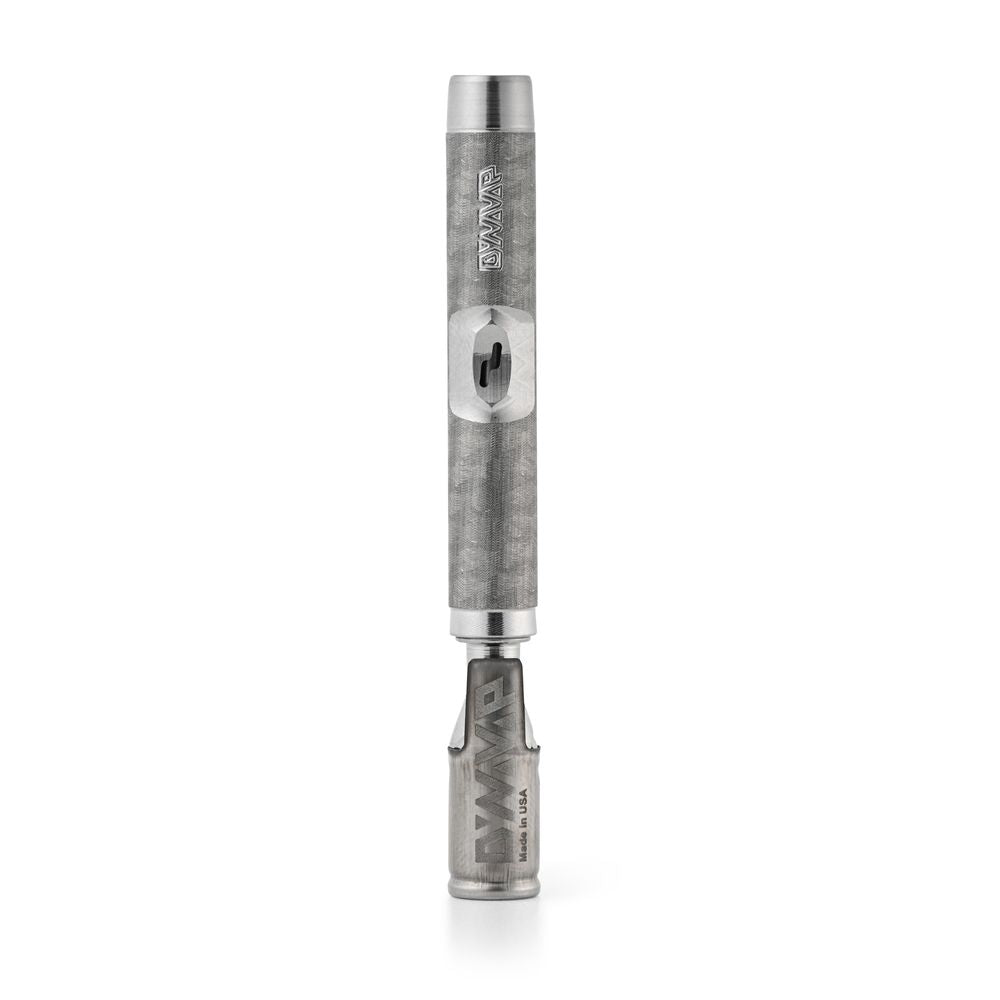
A battery-free dry herb vaporizer removes the two things that kill most portable vapes: the battery and the electronics. What's left is a metal body, a tip, a cap, and your heat source.
The conduction vaporizer segment is expected to grow at a 6.9% CAGR from 2026 to 2033, per Persistence Market Research's conduction vaporizers report, and that growth tracks a broader shift toward manual, repairable hardware.
The trade-off is real: you supply the heat yourself, with a torch or an induction heater. The payoff is control. You decide when the session starts and how long it runs.
DynaVap B2 and M Series: Picks for New and Returning Users
New users should start with the B2 Starter Pack or an M 7. Here's how the lineup breaks down by experience level.

B2 Starter Pack
The B2 Starter Pack for First-Timers
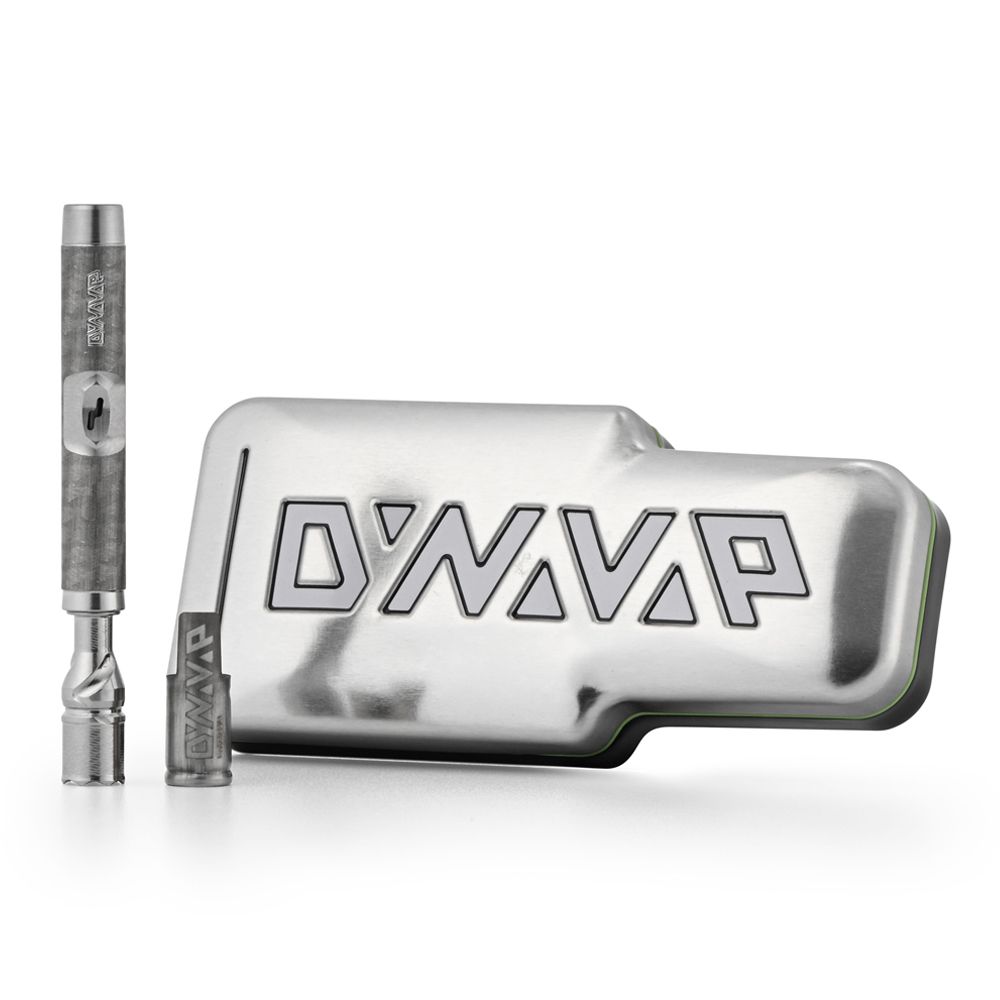
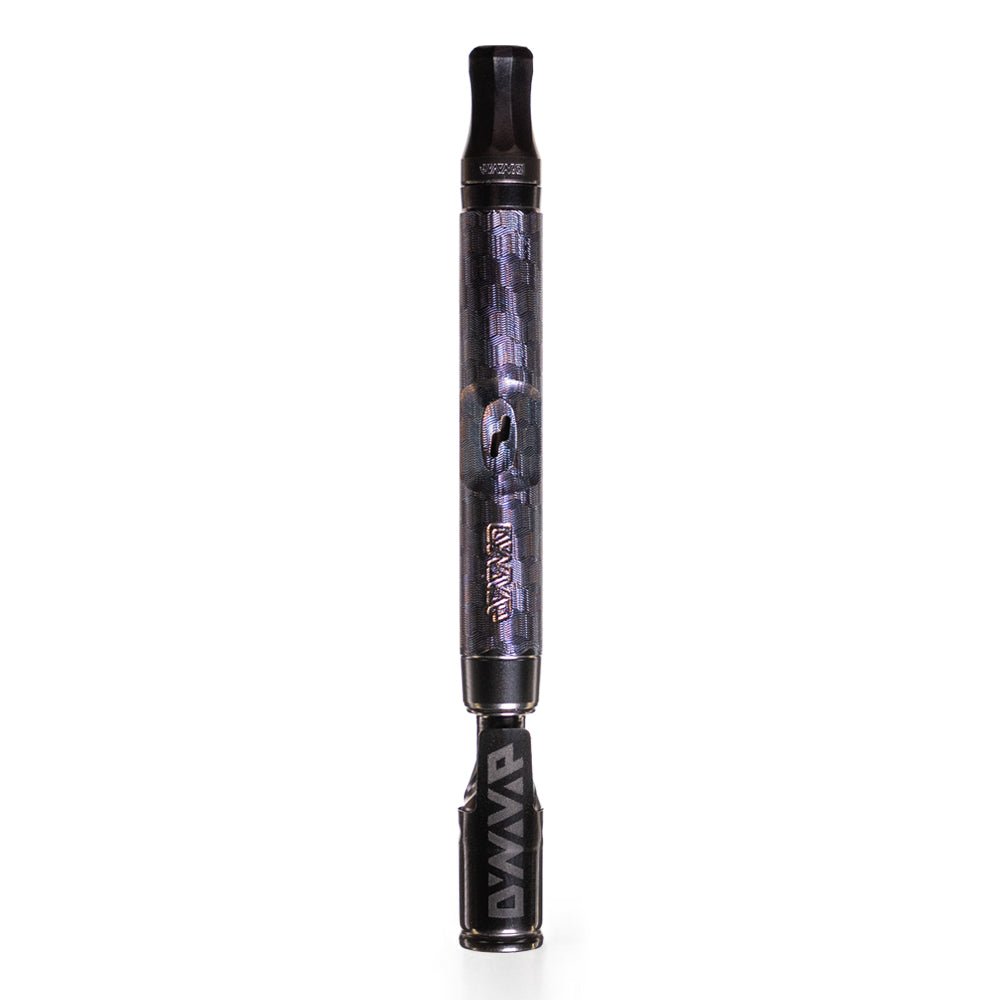
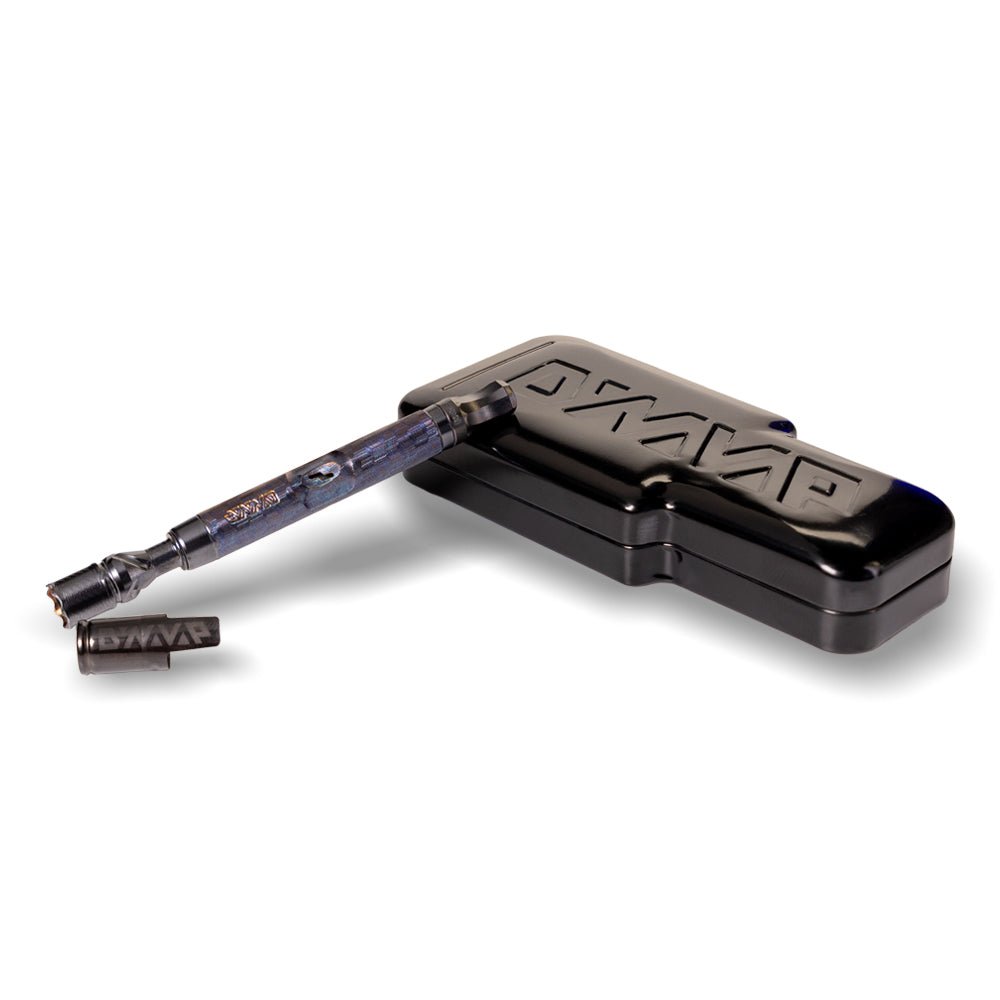
The B2 Starter Pack is the friendliest entry point at $79. It includes the B2 device, a DynaVap tin case, a cleaning tab, a DynaTorch, and a DynaGrynd. The B2's tip chamber holds 0.075g, it has a 10mm tapered mouthpiece for bong use, and an anti-roll design so it stays put on a table. It's modular with all DynaVap parts if you want to upgrade later.
The M 7 and M 7 XL for Everyday Use
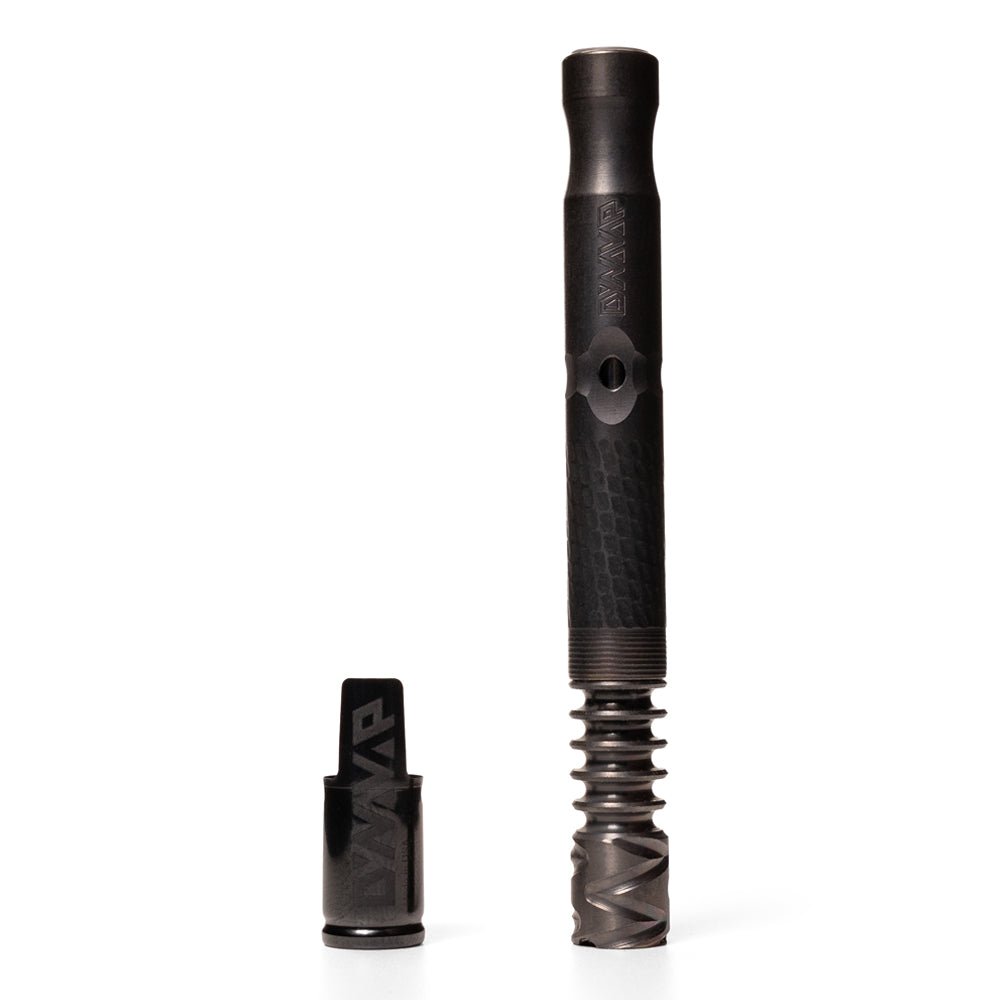
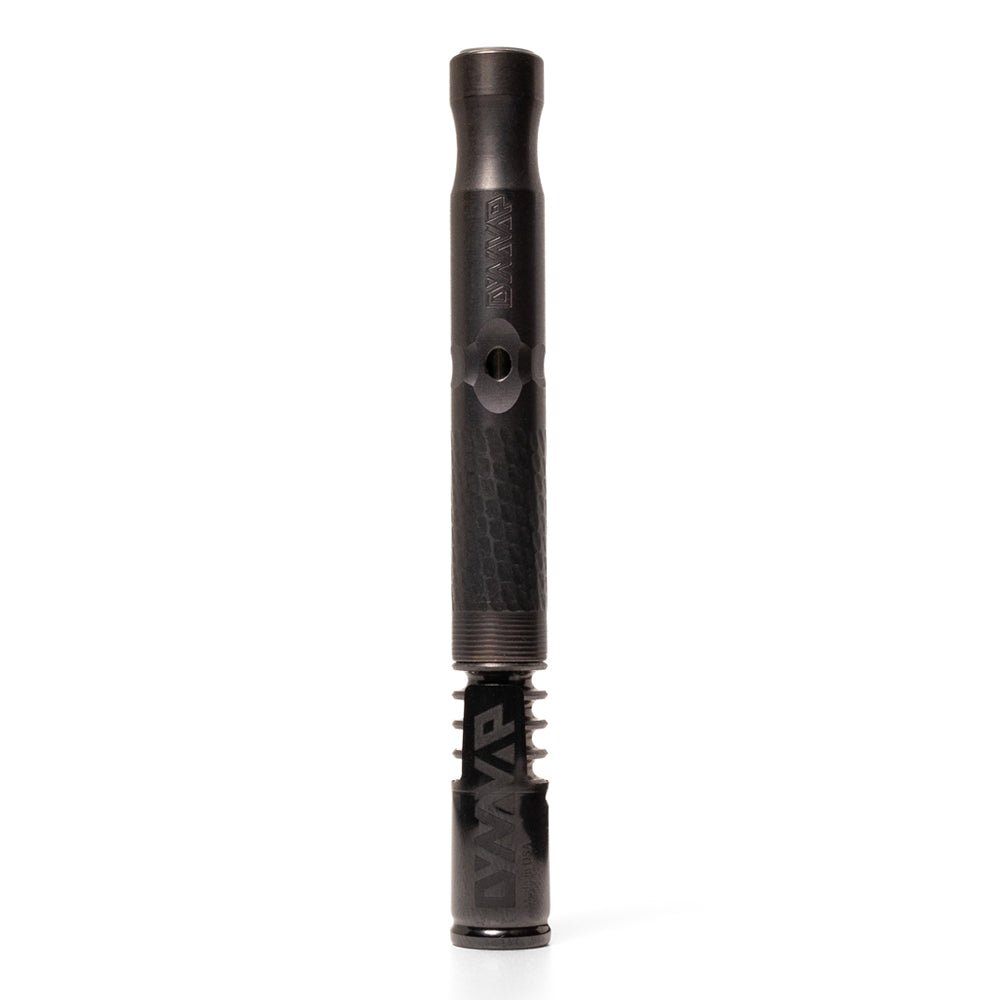
The M 7 is our flagship at $89, built entirely from stainless steel with no electronics. Its tip chamber has more mass for heat retention, the finless tip design cuts heat transfer by up to 20%, and the Adjust-a-Bowl feature halves the chamber for microdosing. The M 7 XL adds extra length for handling and a longer vapor path at $92.65. Prefer a bundle? The M 7 Starter Pack runs $104 and the M 7 XL Starter Pack is $119.


VonG X, WoodWynd, and HyperDyn for Experienced Users
Device |
Price |
Best For |
Chamber |
|---|---|---|---|
B2 Starter Pack |
$79 |
First-time users |
0.075g |
M 7 |
$89 |
Everyday use |
0.1g |
M 7 XL |
$92.65 |
Longer sessions |
0.1g |
VonG X / WoodWynd / HyperDyn |
Varies |
Experienced users |
Larger bowls |
Torch vs Induction Heater for Dry Herb Vaporizer Sessions
Every battery-free thermal extraction device needs an outside heat source, and you have two real choices: a torch or an induction heater. They reach the same result through different mechanisms, and understanding how each one works is the fastest way to pick the right setup for how you actually use your device.
How a Torch Heats the Cap
A torch applies direct flame to the cap, and the metal conducts that heat down into the tip where your herb sits. This is conduction at work: the tip itself becomes the heat source, warming the material from the outside in. Because you control the flame, you control the pace.
Torches are inexpensive, work almost anywhere, and need no charging. The DynaTorch single-flame is what ships in our starter packs. The trade-offs are real, though: wind interferes outdoors, you'll refill butane, and technique takes a little practice before it feels automatic.
How an Induction Heater Works
An induction heater swaps the flame for a coil. When you drop the cap into the coil, a magnetic field heats the metal directly, no open flame, no butane, no wind sensitivity.
One thing to know up front: induction heaters do use a battery, so they need charging. That's the one piece of the battery-free promise they don't share with the device itself. In exchange, you get repeatable sessions, one-handed operation, and no refill runs.
Which One Should You Pick?
Factor |
Torch |
Induction Heater |
|---|---|---|
Heat source |
Open flame, direct contact |
Magnetic coil, no flame |
Portability |
Pocket-sized, no charging |
Battery-powered, needs charging |
Consistency |
Depends on technique |
Repeatable every session |
Wind sensitivity |
Yes |
No |
Best for |
Learning, travel, full control |
Home use, hands-free consistency |
A common pattern is to start with a torch, learn the feel of the click, then add an induction heater later for indoor sessions. The two aren't rivals, most experienced users keep both on hand.
Whichever you choose, the cap clicks once during heat-up and once during cool-down, with two clicks being possible for the heat-up and the cool-down. That's your only signal, and it's all you need.
Torches give you portability and full control with no charging. Induction heaters trade a battery for repeatable, flame-free consistency. Most users eventually own both.
How to Clean a DynaVap Without Damaging It
Cleaning a DynaVap takes a few minutes and a light touch. The cap is the one part you never soak, so wipe it down instead.
Here's the routine we recommend:
- Disassemble the device and set the cap aside
- Soak the tip, condenser, and stem in isopropyl alcohol
- Wipe the cap with a cloth or alcohol wipe, never submerge it
- Run a pipe cleaner through the condenser to clear buildup
- Rinse all soaked parts thoroughly and let them dry completely
- Reassemble and check the airflow before your next session
The reason the cap gets special treatment is simple: it's the part that clicks, and soaking it can trap liquid where it shouldn't sit. A wipe down keeps it working. Everything else in a DynaVap is stainless steel or high-temp o-rings, so it handles a proper soak without complaint.
Portable vs Desktop Thermal Extraction Devices
Most buying guides sort devices into portable and desktop and stop there. That's a start, but it doesn't help you decide. What actually matters is matching a device to your use case, your experience level, and what it costs to own over time, three things the rankings-style results tend to skip.
Start With Where You Use It
If your sessions happen in more than one place, a back porch, a trail, a friend's place, portability isn't a feature, it's the whole point. A battery-free device fits in a pocket, needs no outlet, and works anywhere a torch or a charged induction heater can go. If your sessions always happen at the same table, a larger stationary setup with a bigger chamber can make sense, but you're trading flexibility for capacity.
Match the Device to Your Experience Level
New users do best with a forgiving, all-in-one starting point. The B2 Starter Pack bundles the device, a tin case, a cleaning tab, a DynaTorch, and a DynaGrynd, so there's nothing else to buy before your first session. The M 7 is the natural next step for everyday use, and the M 7 XL adds length and a longer vapor path for folks who want a bit more room.
Think About Total Cost of Ownership
Purchase price is only the first number. A battery-free device has no battery to replace, no firmware to update, and no charging cable to lose. The ongoing costs are consumables: butane for a torch, electricity for an induction heater, isopropyl alcohol for cleaning, and the occasional o-ring.
Warranty coverage matters here too. A stainless steel body with no circuitry has very little that can fail, which is why these devices tend to outlast the trends that brought people to them.
A Quick Decision Framework
Your Situation |
Start With |
|---|---|
Brand new, want everything in one box |
B2 Starter Pack |
Everyday use, want a flagship |
M 7 or M 7 XL |
Already own a device, want glass compatibility |
VonG X |
Want a different feel and material |
WoodWynd |
Want bigger sessions |
HyperDyn |
Always session at home |
Portable device plus an induction heater |
Conclusion
The hardest part of buying a thermal extraction device isn't finding one, it's finding one that lasts. Electronics come and go; a stainless steel device with no battery and no circuitry keeps working.
DynaVap builds exactly that: battery-free thermal extraction devices, combustion-free performance, and hardware designed, engineered, and manufactured in-house. Whether you start with the B2 Starter Pack or step up to the M 7 XL, you're buying something built to last a lifetime and backed by a 4.7/5 rating from more than 10,000 reviews.
Get started with DynaVap and find the device that fits how you actually use your herb.
Frequently Asked Questions
What is a thermal extraction device?
A thermal extraction device (TED) heats dry herb without burning it. Instead of producing smoke through combustion, it releases vapor by applying controlled heat. DynaVap devices use a Captive Cap that clicks once during heat-up and once during cool-down, with the possibility of two during heat-up and cool-down to signal the right moment. This gives you a cleaner, more flavorful experience and helps your herb go further compared to traditional smoking.
How does a battery-free dry herb vaporizer work?
A battery-free dry herb vaporizer relies on an external heat source instead of electronics. You heat the tip with a butane torch or an induction heater. The Captive Cap clicks when it reaches extraction temperature, and you draw vapor through the device. DynaVap models like the M 7 are made from stainless steel and have no electronic parts, so there is nothing to charge and less to break.
Is a torch or an induction heater easier to use?
A torch gives you full manual control and works anywhere without power. An induction heater offers more consistent heating with less technique required, though it does use a battery. Many DynaVap users start with a torch and add an induction heater later for convenience. Both methods work with the same device, so you can switch whenever you like.
How much herb does a standard-size DynaVap Tip hold?
The standard Tip on most DynaVap devices holds about 0.1g of dry herb. The Adjust-a-Bowl feature lets you cut that in half for microdosing. Because thermal extraction is more efficient than combustion, that small amount can go further than you might expect from a traditional session.
How do you clean a thermal extraction device?
Disassemble the device and wipe the Cap down with a cloth or cleaning wipe. Never soak the Cap in liquid. For the stem, tip, and condenser, you can use isopropyl alcohol and a pipe cleaner or cotton swab. Rinse everything thoroughly and let it dry before reassembling. Regular wipe-downs keep airflow strong and flavor clean.
What is the difference between a portable and desktop dry herb vaporizer?
A portable dry herb vaporizer runs on a battery or external heat and fits in your pocket. A desktop or stationary vaporizer stays plugged in at home and often has a larger chamber. DynaVap devices are portable and battery-free, so you can use them almost anywhere. For most people who want flexibility, a portable thermal extraction device covers both home and travel use.
What should I look for when buying a thermal extraction device?
Check the build material, chamber size, heating method, and how easy the device is to clean. Stainless steel and titanium offer durability. A standard Tip holds around 0.1g, and some models let you reduce that for microdosing. Look for replaceable parts and a device that works with both a torch and an induction heater so you can adapt over time.