

Table of Contents
- What Is a Battery-Free Vaporizer?
- The Core Benefits of Battery-Free Vaping
- Is Combustion Free Vaping Healthier?
- Best Practices for Manual Heating
- The Benefits of Induction Heaters
- Durability and Environmental Impact
- Frequently Asked Questions
Last Updated: September 10, 2026
What Is a Battery-Free Vaporizer?
A battery-free vaporizer is a thermal extraction device that heats dry herb using an external heat source, like a butane torch or an induction heater, instead of an internal lithium-ion battery. At DynaVap, we build these devices for people who want full control over the session without a charging cable in sight.
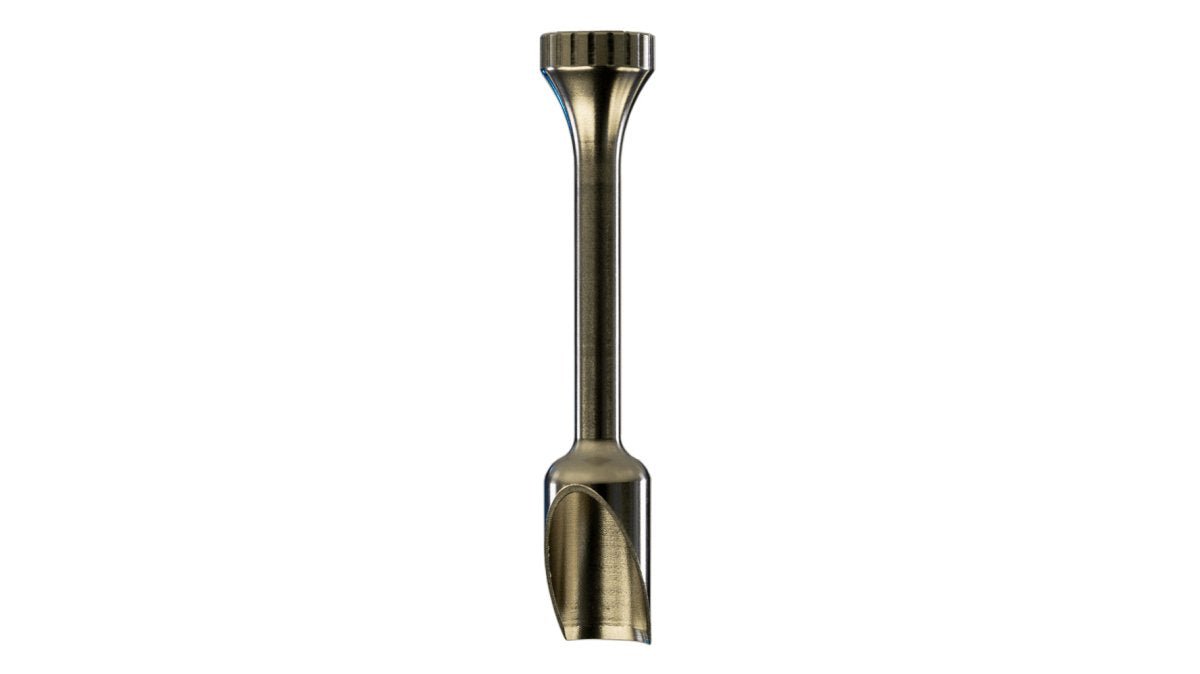
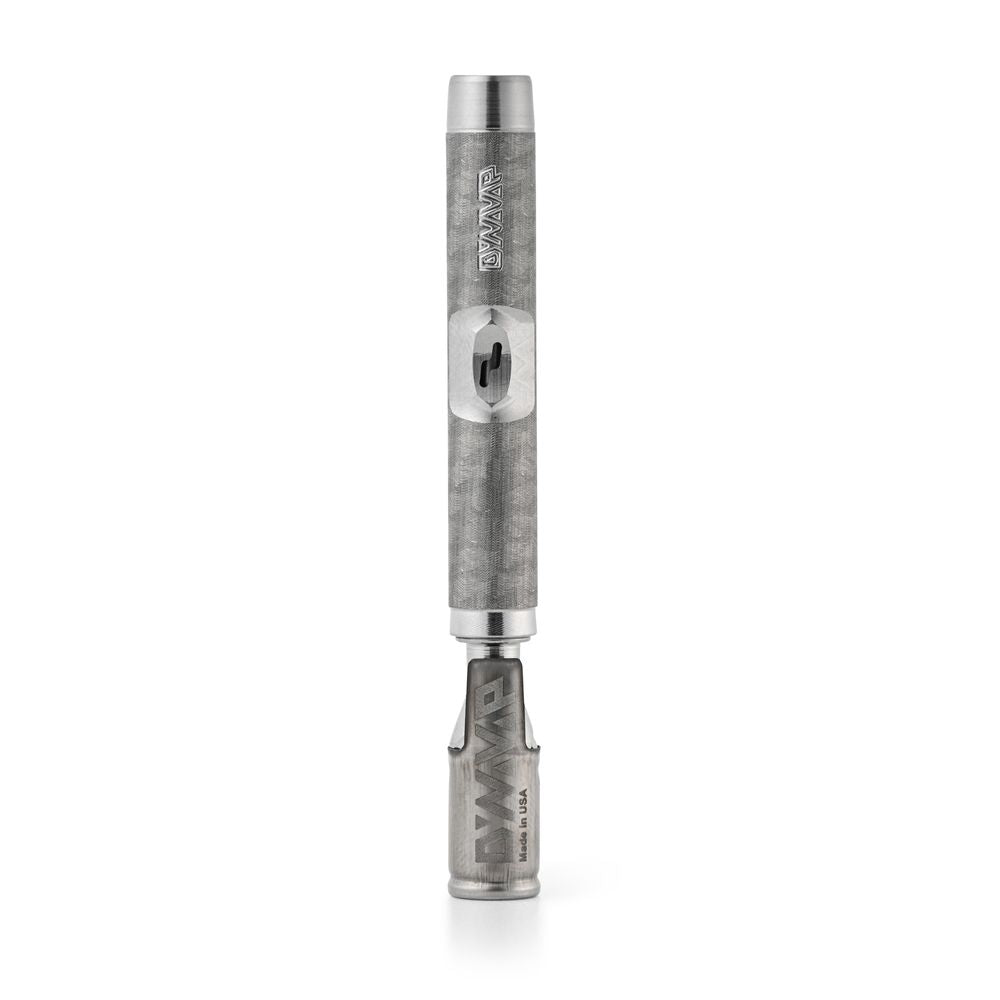
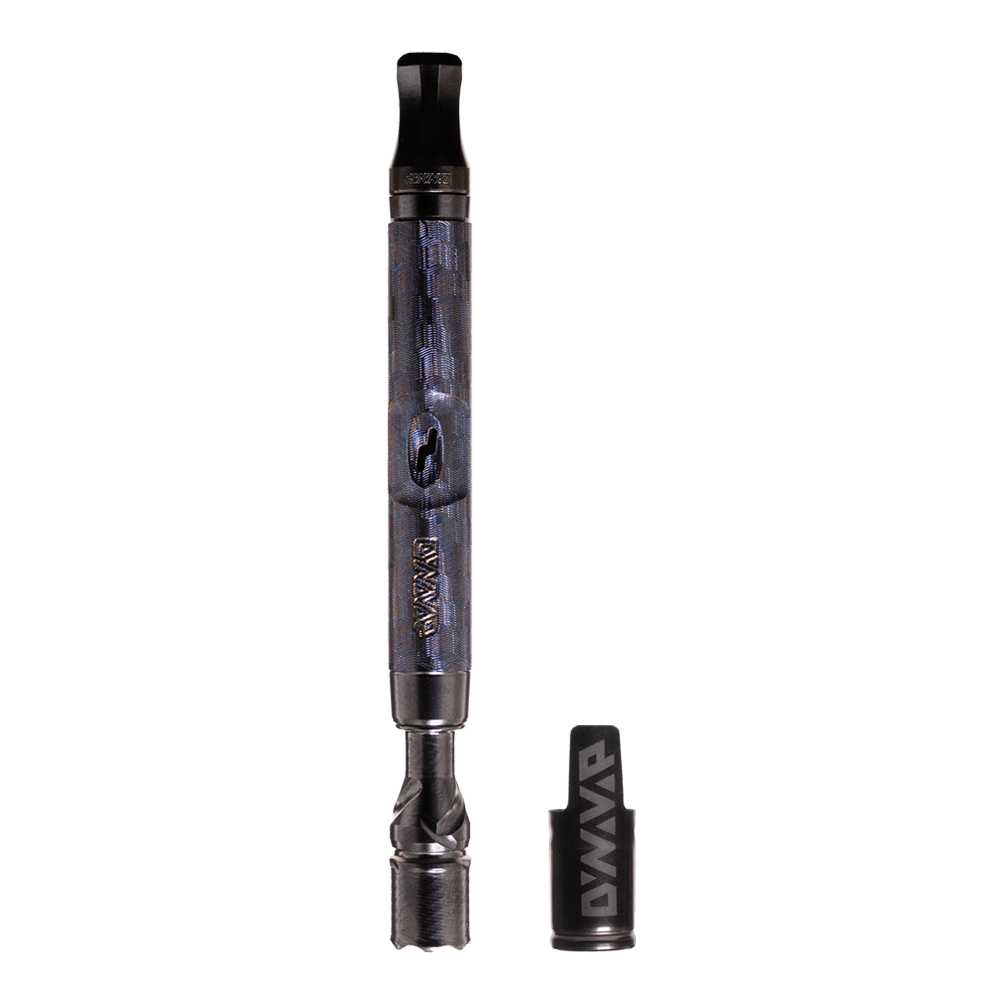
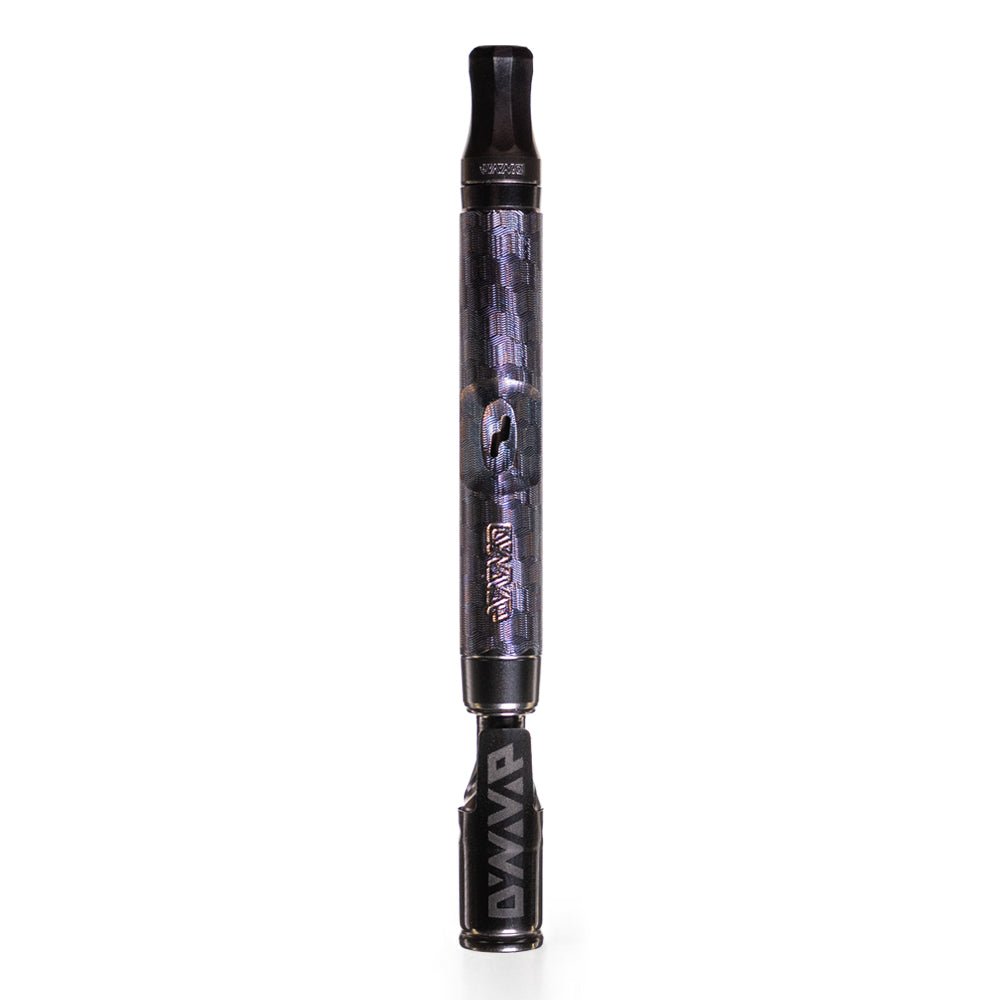
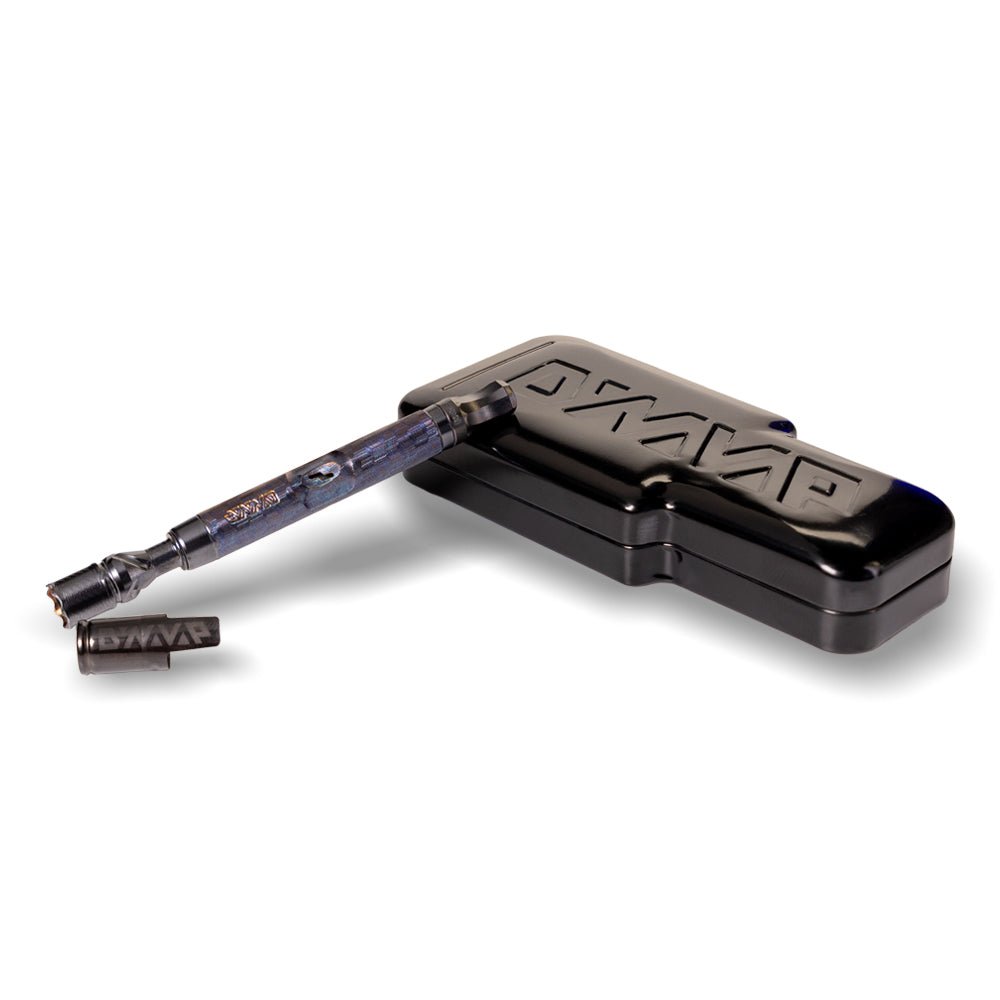
The concept is simple: you apply heat to a metal cap, the cap clicks once when it reaches extraction temperature, and you draw. No electronics, no firmware, no battery to degrade after a year. The device is a stainless steel or titanium body with a tip, a cap, and an airflow path.
According to Truth Initiative's report on e-cigarette facts and regulations, 22.8% of 23- to 24-year-olds were current e-cigarette users in 2026, which shows how much of the market now depends on battery-powered hardware. A manual device flips that dependency.
The 5 benefits we cover below explain why that matters for your wallet, your flavor, and your long-term gear.
The Core Benefits of Battery-Free Vaping
The biggest wins from battery-free vaping come down to two things: material efficiency and flavor. Both trace back to how thermal extraction works when you control the heat directly.
Save More on Herbs
Because you control the heat cycle, you can extract more from the same amount of material. DynaVap devices are designed to stretch dry herb up to 3X compared to traditional methods, which means a little goes a noticeably longer way. The standard tip on most devices holds a regular-size load in the 0.1g range, so you are not packing large bowls to get a full session.
Better Flavor and Vapor Quality
Combustion destroys terpenes. Thermal extraction preserves them. When you heat the cap with a torch or induction heater and stop at the click, you get a vapor path that carries the full flavor profile of the herb instead of the burnt, ashy taste that comes with lighting it on fire. Terpene preservation is the difference between tasting your herb and tasting smoke.
Is Combustion Free Vaping Healthier?
Combustion-free vaping is generally considered better than smoking because it avoids the toxins released when plant material burns. Public Health England has claimed that e-cigarettes are 95% safer than smoked tobacco, per a review of electronic cigarette risks and benefits, and vaping is 60% more effective at helping people quit smoking than nicotine gum or patches.
That said, "better" does not mean "risk-free." Aerosolized liquids and volatile organic compounds may still pose risks to lung health.
The honest take: removing combustion removes the worst of it. It does not remove everything.
Best Practices for Manual Heating
Good technique is the difference between a great session and a scorched one. The good news is that the learning curve is short, most people get a clean, even session within their first few tries. What follows is the routine that experienced users settle into, plus the mistakes that trip up almost every beginner.

The basic routine
- Aim the flame at the cap, not the tip or the body. The cap is the part designed to take the heat.
- Rotate the device while heating so the heat spreads evenly instead of pooling in one spot.
- Stop the moment you hear the click. There is only one click during heat up and one click during cool down, that single click is your entire timing signal.
- Wait for the cool-down click before reheating. Going back in early is the fastest way to scorch a load.
- Keep the cap clean with a wipe down, never soak it.
No temperature dials, no guesswork, no app. The click does the work.
Torch technique that actually matters
Flame size and distance do more for your results than anything else. A soft, medium flame held just past the tip of the inner blue cone gives you a slower, more even rise to the click. A roaring flame jammed against the cap gets you there faster but unevenly, and uneven heat is what produces hot spots and a harsh first draw.
Wind is the other variable. A torch in a breeze loses efficiency and forces you to chase the flame around the cap. If you vape outdoors often, that alone is a good reason to look at an induction heater for those sessions.
Troubleshooting the common errors
The two problems new users hit most are combustion and weak vapor, and they have opposite causes.
- Tasting ash or seeing dark, charred material: you went past the click, or you reheated before the cool-down click. Let the device cool fully, reload, and respect the click.
- Thin, wispy vapor: you stopped short, or your flame was too small and too far away. Move the flame slightly closer and let the cap reach the click naturally.
- Uneven extraction: you did not rotate. Spin the device continuously through the whole heat cycle.
- Click never comes: check your flame. A dying torch or a clogged jet will not deliver enough heat to trip the cap.
A word on safety
A butane torch is an open flame, so treat it like one. Fill torches in a ventilated area away from anything flammable, let a freshly filled torch sit for a minute before lighting, and never leave a lit torch unattended. Store butane canisters upright and out of direct sun. These are the same habits you would use with any kitchen torch, and they become second nature fast.
The Benefits of Induction Heaters
Induction heaters offer the same battery-free extraction with a more consistent heat source. Instead of a flame, the heater uses a magnetic field to heat the cap evenly, which removes the wind and angle variables that come with a torch.
The tradeoff: induction heaters do use a battery. That means you are trading the ritual of a torch for the convenience of push-button heating, and you take on a charging routine again. For users who want the manual device without the flame, it is a fair swap. For purists who want zero electronics, the torch stays king.
Durability and Environmental Impact
Battery-free devices are built to last, and that changes the math on both cost and waste. A stainless steel or titanium body has no cells to degrade, no charging port to wear out, and no firmware to go obsolete. The parts that do wear, caps, tips, o-rings, are replaceable on their own, so a device can stay in service for years instead of being tossed when one component fails.
Why the waste math is so lopsided
A disposable vape is a single-use product with a lithium-ion cell sealed inside. When it dies, the whole thing goes in the trash, cell, plastic housing, circuitry and all. Those cells are the same chemistry used in phones and laptops, and they are not something you want sitting in a landfill by the millions.
A manual device inverts that. You buy the body once. The only consumable is butane for your torch, and the only replacement parts are the small components that eventually wear. Over a few years, that is a dramatically smaller pile of discarded hardware, and none of it is a battery.
The long-term cost picture
Here is the pattern most budget-conscious users notice. A disposable vape is a recurring purchase: you buy it, you use it up, you buy another. The cost never stops. A manual device is a one-time purchase plus cheap consumables, so the longer you own it, the lower your average cost per session gets.
Run that out over a year or two and the gap widens fast. The person replacing disposables every week is still paying every week. The person who bought one device is buying butane and the occasional cap. That is the entire cost argument, and it is why so many people who switch describe the device as paying for itself.
Built to be repaired, not replaced
Every device is designed, engineered, and manufactured in-house, and built to last a lifetime. If something does wear out, parts are replaceable, so you are never stuck buying a whole new device just because one piece gave up.
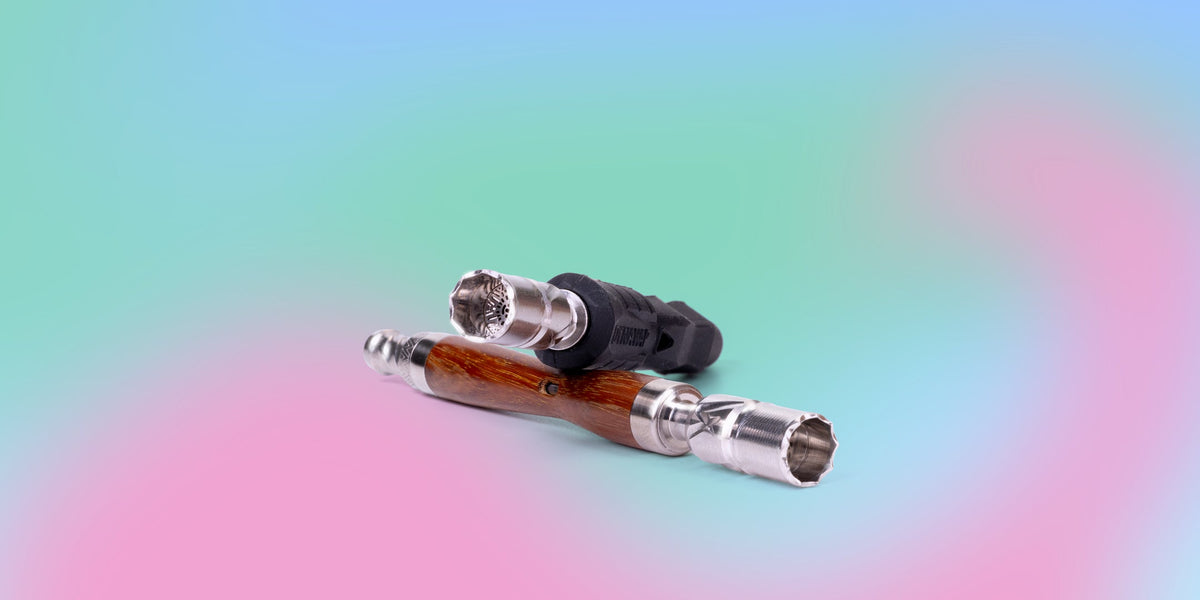
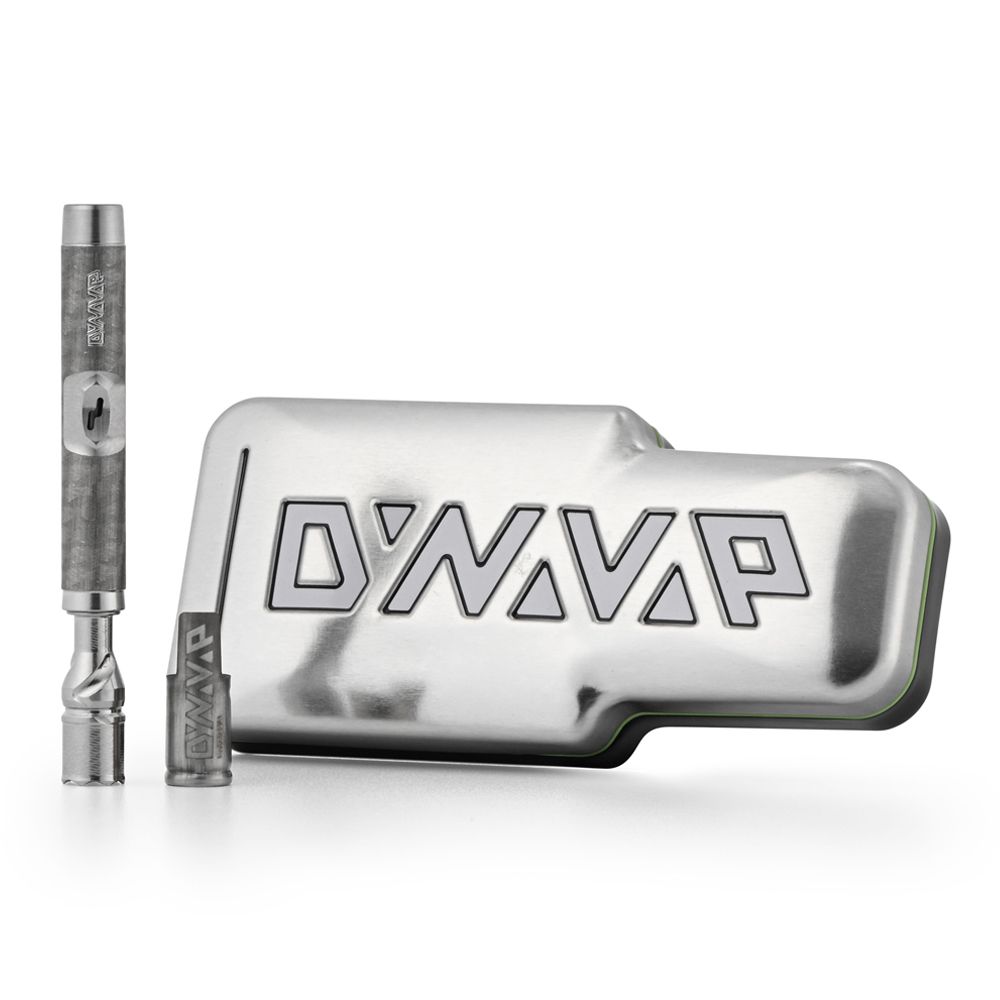
For new customers, the M 7 and M 7 XL are the current flagships, both stainless steel and fully battery-free. Returning customers who want to upgrade their ritual should look at the VonG X, the WoodWynd, or the HyperDyn. Each one keeps the same battery-free philosophy, torch or induction heater for heat, no charging cable required.

Frequently Asked Questions
What are the main benefits of using a battery-free vaporizer?
Battery-free vaporizers offer several advantages. They are highly durable with no electronic parts to fail, making them a long-term investment. They provide better flavor through convection and conduction heating, which preserves terpenes. Additionally, they are more efficient, allowing you to stretch your dry herb material up to 3X further than traditional methods, saving you money over time.
Is combustion-free vaping a better alternative to smoking?
Yes, combustion-free vaping is a better alternative because it avoids producing harmful toxins and carcinogens associated with burning plant material. By using thermal extraction, you get a cleaner experience without the smoke and tar of combustion.
How do induction heaters work with battery-free devices?
Induction heaters use a battery to generate a fluctuating magnetic field. When you place your DynaVap device inside the heater, this field heats the metal cap without needing a torch flame. This provides a consistent, hands-free heating experience that is less sensitive to wind and doesn't require a visible flame, though it does rely on a charged battery for power.
Do battery-free vaporizers require special maintenance?
Maintenance is simple. You should clean your device regularly to ensure optimal flavor and airflow. For the cap, never soak it in liquid; instead, clean it with a wipe down only. For the rest of the device, you can disassemble it and clean the parts with a suitable solvent, but always avoid getting the cap wet to protect its internal components.
The hard part of switching off batteries is not the device. It is unlearning the habit of reaching for a charger. DynaVap builds thermal extraction devices with no electronics to fail, a 0.1g standard tip that stretches your herb up to 3X, and a simple click that tells you exactly when to draw. Whether you start with the M 7 or step up to the HyperDyn, you get a device made in-house and built to last. Shop all collections and find the one that fits how you session.