

Table of Contents
- What Makes a Manual Thermal Extraction Device Stand Out?
- Quick Comparison: DynaVap's Top Manual Thermal Extraction Devices
- The M 7: Best Overall for New Users
- The VonG X: Best for Water Piece Compatibility
- The WoodWynd: Best for Flavor Enthusiasts
- The HyperDyn: Best for Big Sessions
- How to Avoid Scorching Dry Herbs with a Manual Device
- Induction Heater vs Torch: Which Heating Method Is Right for You?
- Choosing Your First Manual Thermal Extraction Device
- Frequently Asked Questions
Last Updated: September 24, 2026
Manual thermal extraction devices are gaining serious traction among dry herb enthusiasts, and for good reason. According to DynaVap's 2026 customer satisfaction data, these battery-free devices hold a 4.7/5 rating based on over 10,000 reviews, proving that hands-on vaporizing has moved from niche hobby to mainstream choice. In this DynaVap buyer's guide, we break down what separates a great manual thermal extraction device from a frustrating one, and which models deserve your money in 2026.
The key difference comes down to control. Unlike electric vaporizers that automate the process, a manual device puts you in charge of the heating cycle, the draw speed, and the vapor density.
What Makes a Manual Thermal Extraction Device Stand Out?
A manual thermal extraction device is a battery-free vaporizer that heats dry herb through an external heat source, typically a butane torch or induction heater, until the optimal extraction temperature is reached.
Five factors separate a great device from a gimmick:
- Thermal mass and heat retention: Heavier tips hold heat longer, enabling bigger rips and more even extraction.
- Airflow control: An adjustable airport or mouthpiece-based dial lets you tailor draw resistance to your preference.
- Build quality and materials: Medical-grade stainless steel and titanium resist fatigue and last for decades, not seasons.
- Chamber capacity and microdosing: The standard Tip on most devices is a regular size (not small) in the 0.1g range, with an Adjust-a-Bowl feature to halve that for precise microdosing.
- Modularity: Interchangeable tips, stems, and condensers mean you can upgrade parts without replacing the whole unit.
Thermal extraction devices are increasingly recognized as a common method for vaporizing dried flower.
Quick Comparison: DynaVap's Top Manual Thermal Extraction Devices
DynaVap offers several devices that cater to different priorities, from first-time buyers to seasoned enthusiasts.

Feature Comparison Table
Device |
Price |
Tip Material |
Bowl Size |
Best For |
|---|---|---|---|---|
$89.00 |
Stainless Steel |
0.1g |
New users, everyday carry |
|
$129.00 |
Stainless Steel |
0.1g |
Water piece compatibility |
|
$149.00 |
Titanium |
0.1g |
Flavor chasers |
|
$229.00 |
Titanium |
0.25g |
Group sessions, big bowls |
The M 7: Best Overall for New Users
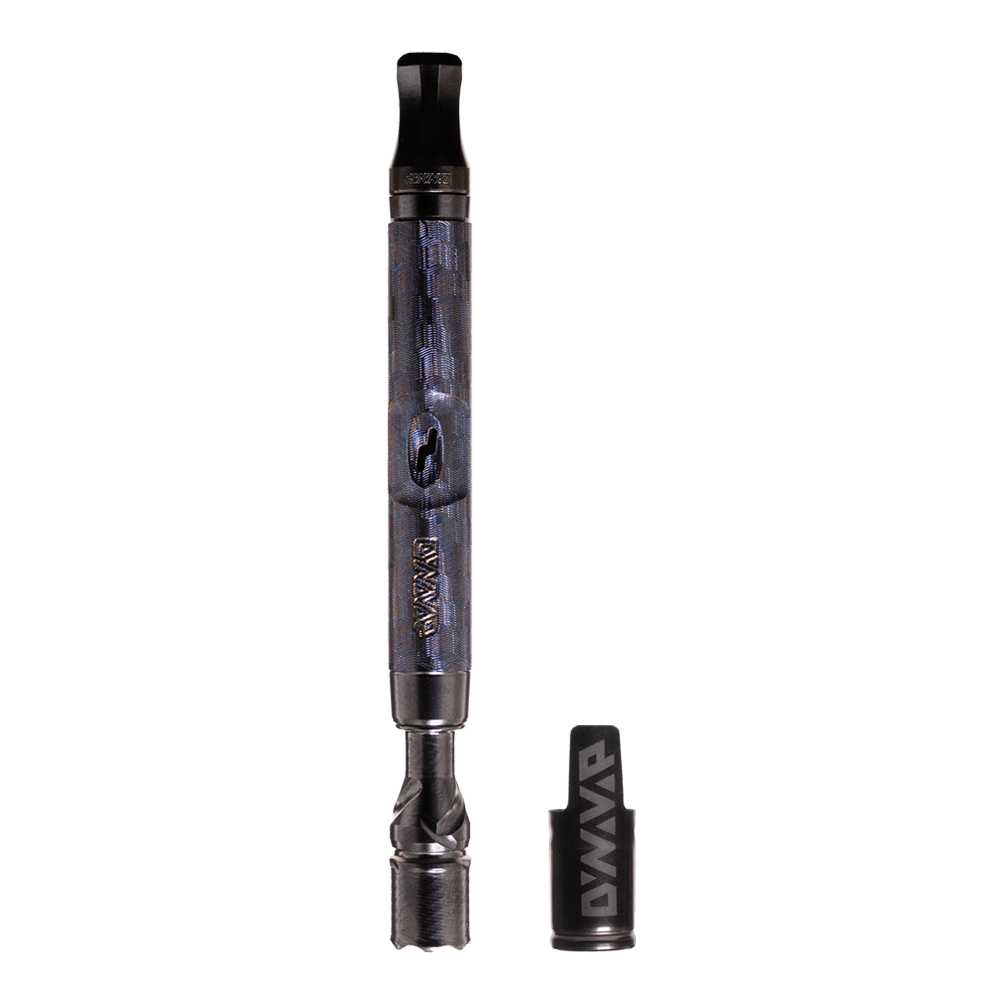
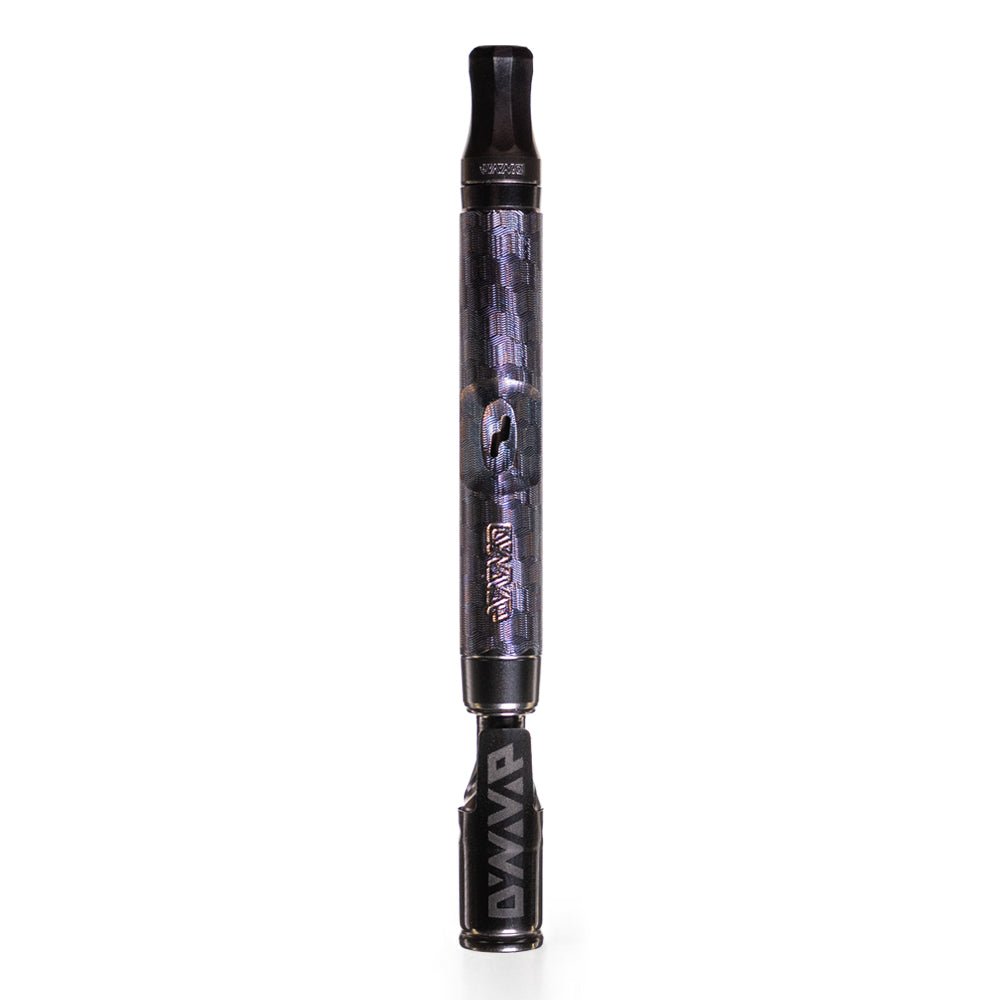
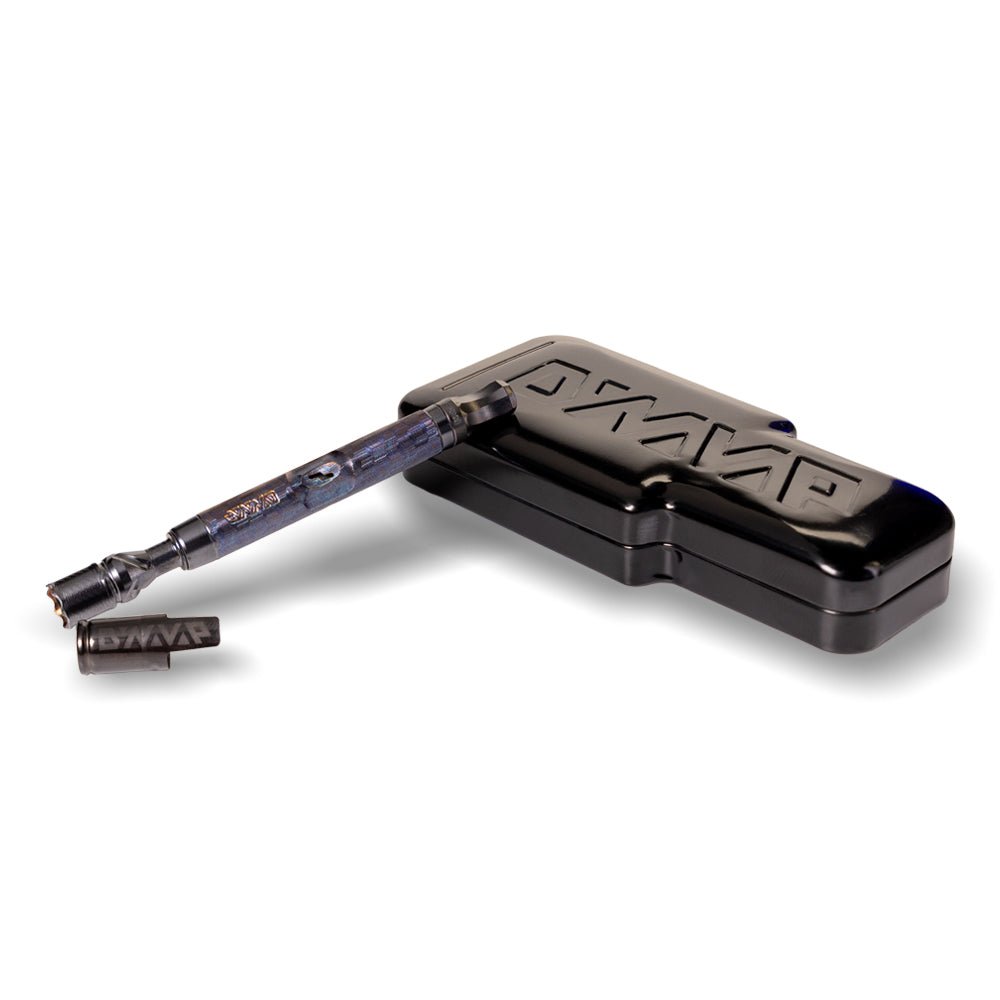
If you are new to manual thermal extraction, the M 7 at $89.00 is the smartest starting point. Its all-stainless-steel construction delivers durability without the premium price tag, and the redesigned finless tip reduces heat transfer by up to 20%.

The M 7 shines in everyday usability. The textured stem provides a secure grip, while the pivot-style rocker makes airflow control intuitive. Its 0.1g standard bowl is perfect for solo sessions, and the Adjust-a-Bowl feature lets you halve the chamber for microdosing.
The VonG X: Best for Water Piece Compatibility
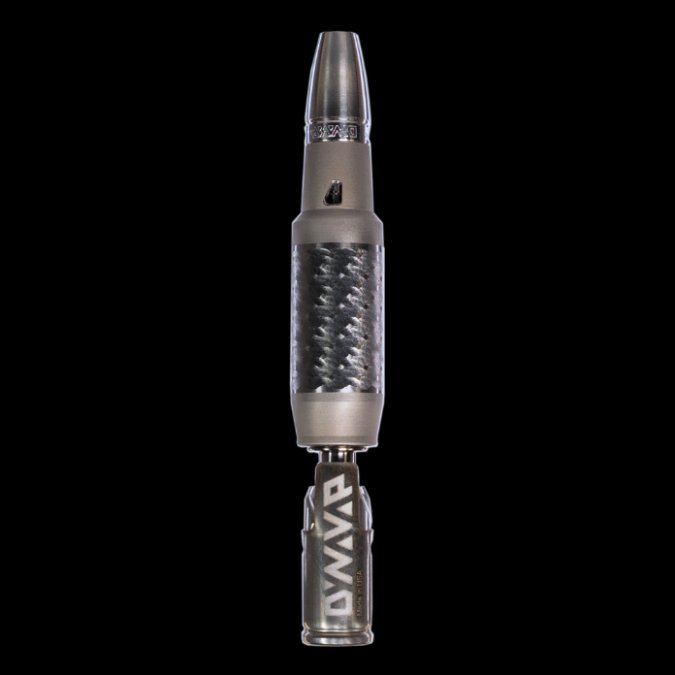
For those who prefer their vapor filtered through glass, the VonG X at $129.00 is the clear winner. It delivers with both 10mm and 14mm tapered mouthpieces that seat securely into female water piece openings.
The VonG X elevates the experience with a redesigned mouthpiece-based airport that opens or closes with a simple twist. The hybrid build pairs a stainless steel tip with a titanium body, balancing heat retention with lightweight durability.
The polished midsection and DuraDyn finish resist scratches. Returning customers upgrading from an M-series device will appreciate the added control and glass compatibility.
The WoodWynd: Best for Flavor Enthusiasts
Flavor chasers should look at the WoodWynd at $149.00. Its combination of a Helix Titanium Tip and an hourglass-shaped wood stem produces exceptionally clean, terpene-forward vapor.

Titanium heats and cools faster than stainless steel, which translates to a crisper flavor experience. The Helix Tip's thicker chamber walls promote an even roast. The wood stem, reinforced with stainless steel crowns, adds a tactile warmth that metal devices lack.
The WoodWynd fits snugly into 10mm water piece openings even without a taper. The condenser snaps securely into the mouthpiece without o-rings, simplifying maintenance.
The HyperDyn: Best for Big Sessions
The HyperDyn at $229.00 is DynaVap's first big-bowl vaporizer, designed for connoisseurs who want session-style extraction. Its titanium tip holds an average of 0.25g, more than double the standard 0.1g bowl.

Constructed from medical-grade titanium with DynaVap's DuraDyn technology, the HyperDyn resists scratches and wear. Its 10mm and 14mm tapers accommodate virtually any water piece, and the adjustable airflow system offers seven unique settings controlled by condenser depth.
The HyperDyn remains modular with previous DynaVap midsections, tips, and mouthpieces.
How to Avoid Scorching Dry Herbs with a Manual Device
Scorching is the most common frustration for new manual thermal extraction users, but it is entirely avoidable with proper technique. The number one rule: respect the click. Don't talk about specific temperatures when heating.
The Art of the Heat-Up Cycle: A Step-by-Step Torch Tutorial
Most scorching happens not from a single overheat, but from a poor heat-up cycle that creates uneven temperatures. Here’s a more reliable approach:
- The Initial Soak (First Heat-Up): For a cold device, hold the torch flame further back, about 2-3 inches from the cap. Rotate the device slowly and steadily. Your goal is not to hear the click fast, but to let the heat sink into the tip.
- The Pulse Method (Subsequent Heat-Ups): After the cool-down click, the tip is already warm. If you apply the same aggressive flame as the first time, you will overshoot the target temperature. Instead, use a pulse method: heat for 2 seconds, pull the flame away for 1 second, then heat again.
- The Flame Cone Placement: The hottest part of a butane torch flame is the tip of the inner blue cone, not the base. Holding the device so the cap is just above this inner cone tip provides the most efficient and even heat transfer.
- The Spin Technique: A slow, deliberate spin is better than a fast, frantic one. You want to heat the entire circumference of the cap evenly. A steady, almost lazy rotation is the goal.
Troubleshooting: What Your Vapor is Telling You
Even with good technique, you will occasionally push it too far. Here’s how to diagnose and correct your technique:
- Thin, wispy vapor with little flavor: You are not heating enough. For your next cycle, keep the flame distance the same but let it heat for a second or two longer.
- Harsh, expansive vapor that makes you cough: You are on the edge of scorching. Next cycle, respect the click immediately and do not heat past it.
- A dark, uneven roast with black spots: This is a classic sign of an uneven heat-up. Slow down your spin and pull the flame back an inch.
- A completely black, ashy bowl: This is combustion. You have gone significantly past the click. Do not inhale. Dump the bowl, let the device cool down completely, and clean the tip with a quick wipe down. Do not soak the Cap; just give it a wipe down with a cloth.
The Rule for Bigger Rips
If you are looking for bigger, denser vapor without scorching, the technique is not to heat past the click for longer, but to use the second heat-up cycle. After the first cycle and cool-down click, the tip is already at a higher baseline temperature. This second cycle is where you can get the largest, most satisfying rips.
Induction Heater vs Torch: Which Heating Method Is Right for You?
Both heating methods work with any DynaVap device, but they deliver different experiences. A butane torch is the traditional approach, offering full control over where and how fast you heat the cap. It is portable and inexpensive, but it does demand attention and a steady hand.
An induction heater, by contrast, uses an electromagnetic field to heat the cap evenly and automatically. It removes most of the guesswork. The tradeoff is that induction heaters do use a battery, so you will need to keep it charged.
The Long-Term Durability Question: Material Fatigue and Heat Cycles
Butane Torches and Material Fatigue: A direct flame is a more intense, localized heat source. Over years of use, this repeated thermal cycling can gradually alter the temper of the metal. For stainless steel tips like those on the M 7, this is rarely an issue. However, the bimetal disc inside the cap is precision-calibrated. Consistent, aggressive torch heating can, over a very long period, cause the disc to drift slightly from its original calibration.
Induction Heaters and Material Stress: An induction heater heats the entire cap and tip more uniformly, meaning less thermal shock to the metal. For titanium tips like those on the WoodWynd or HyperDyn, this even heating is particularly beneficial. Titanium is more sensitive to localized hot spots than stainless steel. An induction heater virtually eliminates the risk of creating a hot spot that could cause micro-warping. In practical terms, a device used primarily with an induction heater will likely maintain its precise click calibration for a longer period.
The Environmental Angle: Butane Canisters vs. Lithium-Ion Batteries
Butane: Refined butane is a fossil fuel. The carbon footprint is not zero. However, the amount of butane used per heating cycle is very small. A single canister can last for weeks or even months of daily use. The primary environmental concern is the disposable canister itself, which is steel and can be recycled in most areas.
Induction Heaters: The environmental impact here is tied to the lithium-ion battery. The battery has a finite lifespan, typically measured in charge cycles.
Heating Method |
Pros |
Cons |
Best For |
Long-Term Impact |
|---|---|---|---|---|
Butane Torch |
Full control, no battery, cheap |
Steeper learning curve, requires refills |
Outdoor use, purists |
Potential for cap calibration drift over years; low per-session carbon footprint |
Induction Heater |
Consistent results, hands-free |
Battery-dependent, extra cost |
Home sessions, beginners |
Gentler on materials, preserves calibration; higher manufacturing footprint |
Choosing Your First Manual Thermal Extraction Device
The best manual thermal extraction device for you depends on your experience level and priorities. New users should start with the M 7 at $89.00. For those who primarily vape through glass, the VonG X at $129.00 offers superior water piece compatibility and airflow control.
Returning customers looking to upgrade will find the WoodWynd at $149.00 ideal for flavor-focused sessions, while the HyperDyn at $229.00 suits group use and big-bowl extraction. Each device shares the same battery-free engineering that has earned DynaVap its reputation.
Frequently Asked Questions
What is a manual thermal extraction device?
A manual thermal extraction device is a battery-free dry herb vaporizer that uses an external heat source, like a butane torch or induction heater, to heat herb to vaporization temperature. Unlike electronic vapes, manual devices require no internal electronics or batteries. The user controls the heating process, with a signature click indicating when the optimal temperature is reached. DynaVap's devices are crafted from stainless steel or titanium, built to last a lifetime, and offer precise control over each session.
How do I avoid scorching dry herbs when using a manual vaporizer?
To avoid scorching, heat the cap with a torch or induction heater until it clicks, then stop heating immediately. Respect the cool-down click before reheating. Aim the torch flame at the middle or upper portion of the cap for a gentler heat-up. Avoid heating past the click, which can cause combustion. Practice your torch technique and use quality herb with proper moisture content.
Are manual thermal extraction devices better than battery-powered ones?
Manual thermal extraction devices offer several advantages over battery-powered vaporizers. They have no batteries to charge or replace, making them reliable for years. Manual devices are often more durable and can deliver denser vapor with better flavor. DynaVap devices are designed to stretch your herb stash up to 3X compared to traditional methods, making them an efficient choice.
What is the difference between torch heating and induction heating?
Torch heating uses a butane flame applied directly to the cap, offering a traditional, hands-on experience. Induction heaters (IH) use an electromagnetic field to heat the cap without a flame. An IH does use a battery, which needs recharging. Induction heaters provide more consistent heating and reduce the learning curve, while torches are more portable. Both methods work with all DynaVap devices, so the choice comes down to whether you prefer the ritual of a torch or the convenience of a battery-powered heater.
How do I clean my thermal extraction device cap?
The cap should never be soaked in any liquid. To clean it, simply wipe it down with a soft, dry cloth after it has cooled. Avoid using water, alcohol, or any cleaning solutions on the cap, as this can damage the internal mechanism responsible for the click. For the rest of the device, disassemble the components and clean them with isopropyl alcohol. Keeping the cap clean with a dry wipe down ensures it continues to function accurately for precise temperature control.
Choosing a manual thermal extraction device comes down to matching the hardware to your habits. The learning curve is real, but the payoff is better flavor, greater efficiency, and a device that will outlast any battery-powered alternative. DynaVap's lineup covers every use case, from the beginner-friendly M 7 to the session-ready HyperDyn, all engineered in-house in the USA and built to last a lifetime. Get started with DynaVap and experience the difference that hands-on control makes.