

Table of Contents
- Why Consider Alternatives to Glass Pipe Smoking
- Comparing Materials: Borosilicate Glass, Silicone, and Metal
- How Thermal Extraction Devices Work
- How to Use a Torch with a Vaporizer
- Efficient Dry Herb Consumption: Making Your Stash Last
- Top Alternatives to Glass Pipe Smoking for 2026
- Cleaning and Maintaining Your Alternative Device
- Conclusion
- Frequently Asked Questions
Last Updated: September 12, 2026
Why Consider Alternatives to Glass Pipe Smoking
The smoking accessories market was valued at USD 73.8 billion in 2025, according to IMARC Group's smoking accessories market report, and within that figure sits a quiet shift: more people are looking for alternatives to glass pipe smoking that skip combustion entirely. At DynaVap, we build battery-free thermal extraction devices for exactly this reason. The core argument here is simple: the material you heat with matters less than whether you burn it at all. Combustion creates smoke, and smoke carries the byproducts that thermal extraction avoids. Below, we break down the materials, the devices, and the techniques that make the switch practical.
Comparing Materials: Borosilicate Glass, Silicone, and Metal
Most guides compare pipe materials on looks and durability. That misses the part that actually matters: how each material behaves when it gets hot. Borosilicate glass is the benchmark for flavor purity because it is non-porous and chemically inert, so it does not react with what you put in it. Its weakness is thermal shock. Rapid temperature swings can crack it, and a drop onto tile ends the conversation fast. Food-grade silicone flexes instead of shattering, which makes it a strong choice for travel and for anyone who has lost a pipe to a hard floor. The trade-off is that silicone is softer and can pick up odors over time, so it needs more frequent cleaning than glass. Metal, particularly stainless steel and titanium, wins on durability and heat distribution. A common mistake is assuming metal tastes harsh. In practice, a clean stainless tip delivers flavor that surprises people coming from glass, and titanium keeps that performance at a lighter weight.
Here is the part most competitors skip: the material only matters as much as the method. If you are combusting, you are pulling tar and ash through whatever you are holding, and the pipe material becomes a secondary concern. If you are using thermal extraction, the material of the device matters more because you are not masking flavor with smoke. That is why stainless steel and titanium tips show up in battery-free devices. They hold up to repeated heating cycles, they do not impart taste, and they wipe clean instead of absorbing residue.
| Material | Durability | Heat Resistance | Flavor Purity | Best For |
|---|---|---|---|---|
| Borosilicate glass | Low | Moderate | Highest | Flavor chasers at home |
| Food-grade silicone | High | Moderate | Good | Travel and beginners |
| Stainless steel | Very high | High | Very good | Daily use, microdosing |
| Titanium | Very high | High | Excellent | Lightweight portability |
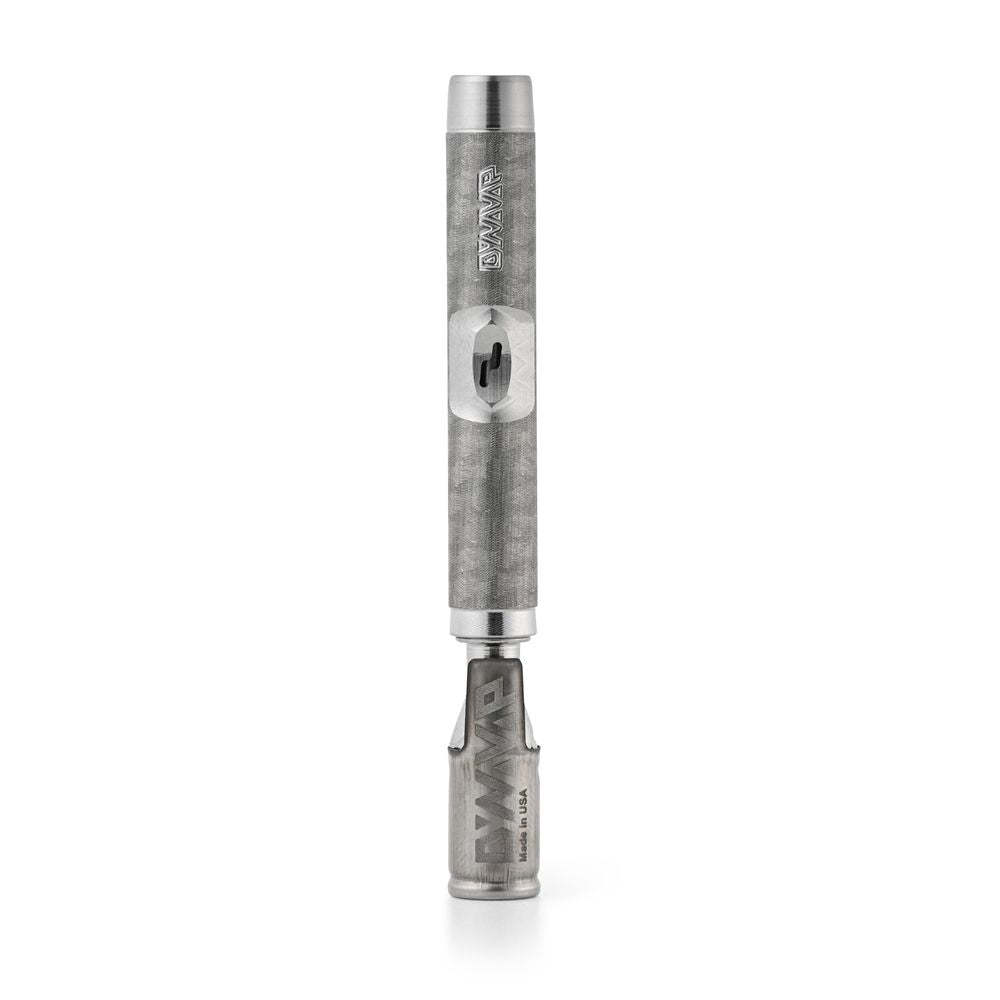
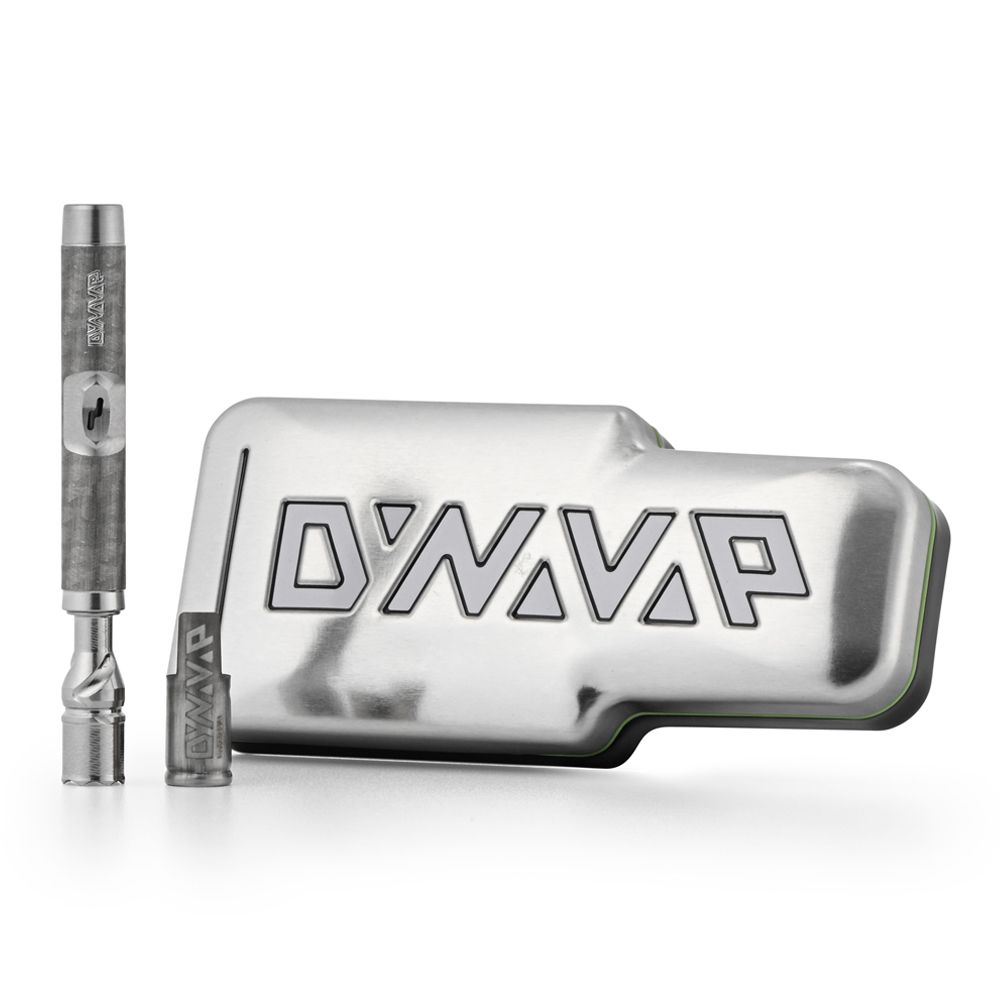
A practical way to think about it: glass is for the couch, silicone is for the backpack, and metal is for the long haul. If you want the flavor purity of glass without the fragility, a stainless or titanium tip paired with a glass stem gives you most of both. That is the design logic behind devices like the M 7, which uses a metal tip and cap for durability while keeping the vapor path simple and easy to clean.

How Thermal Extraction Devices Work
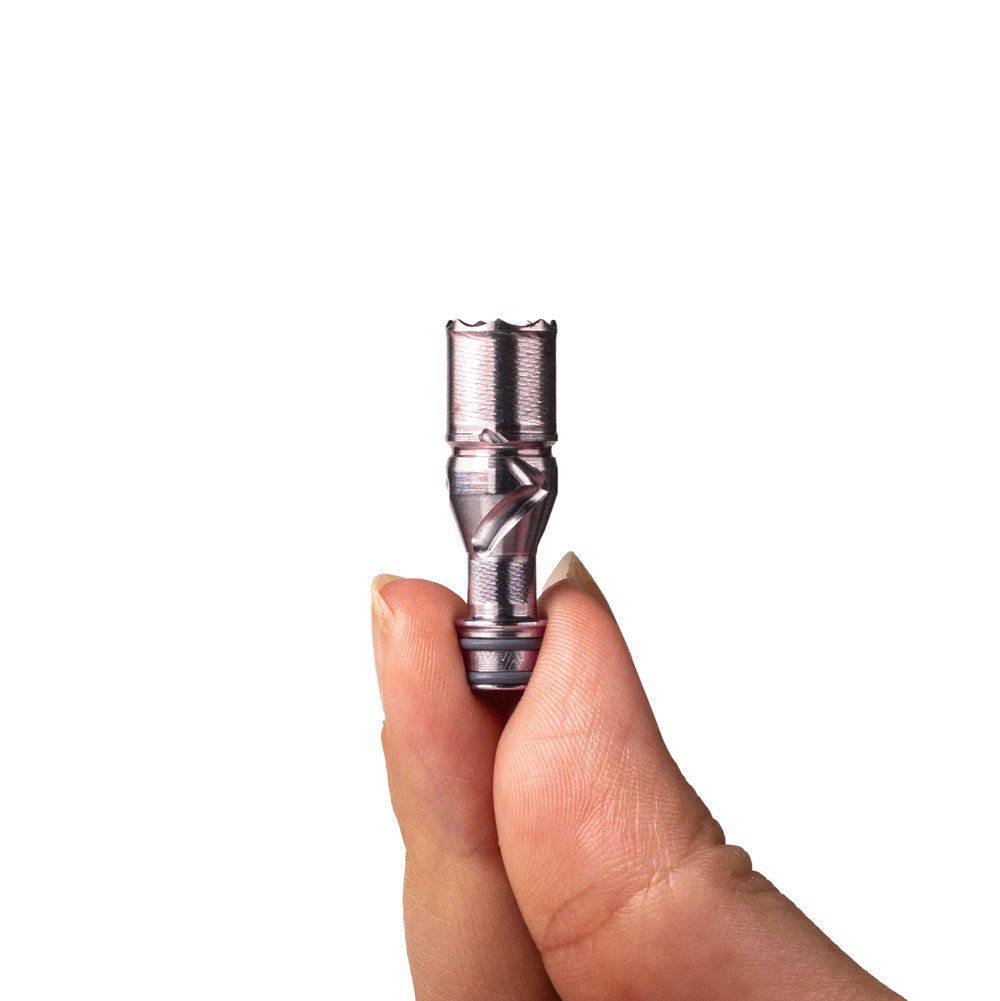
A thermal extraction device, or TED, heats dry herb to the point where active compounds release as vapor without combustion. There is only one click during heat up and one click during cool down, and that click is your signal to inhale. No batteries, no screens, no charging cable. The device uses a small chamber, typically in the 0.1g range, which is why it stretches material so effectively. According to STAT News coverage of the shift from injecting to smoking, researchers view changes in consumption method as meaningful for reducing harm, and the same logic of avoiding combustion applies here.
How to Use a Torch with a Vaporizer
Using a torch with a vaporizer comes down to three things: steady rotation, respect for the click, and patience while you learn. Heat the cap evenly with a small butane torch, rotating as you go. Stop when it clicks. Inhale. When it clicks again, the cycle is done.

- Load your herb into the chamber, loosely packed
- Replace the cap
- Heat with a torch, rotating steadily
- Stop at the click and inhale
- Wait for the second click before reheating
Induction heaters work too, and they use a battery, which is worth knowing if you are counting grams on a backpacking trip. What most guides miss is that scorching rarely comes from too much heat. It comes from not rotating.
Efficient Dry Herb Consumption: Making Your Stash Last
Efficient dry herb consumption starts with chamber size, not technique. A regular-size tip holds about 0.1g, which is far less than most people load into a glass bowl out of habit. Smaller loads, fully extracted, mean you use less material for the same result. The M 7 is built around this idea, with an Adjust-a-Bowl feature that halves the chamber when you want to microdose. For returning customers, the VonG X and WoodWynd offer the same efficiency with more refined airflow and materials. Research from ScienceDirect on safer smoking equipment distribution shows that equipment design strongly shapes consumption behavior.
Top Alternatives to Glass Pipe Smoking for 2026
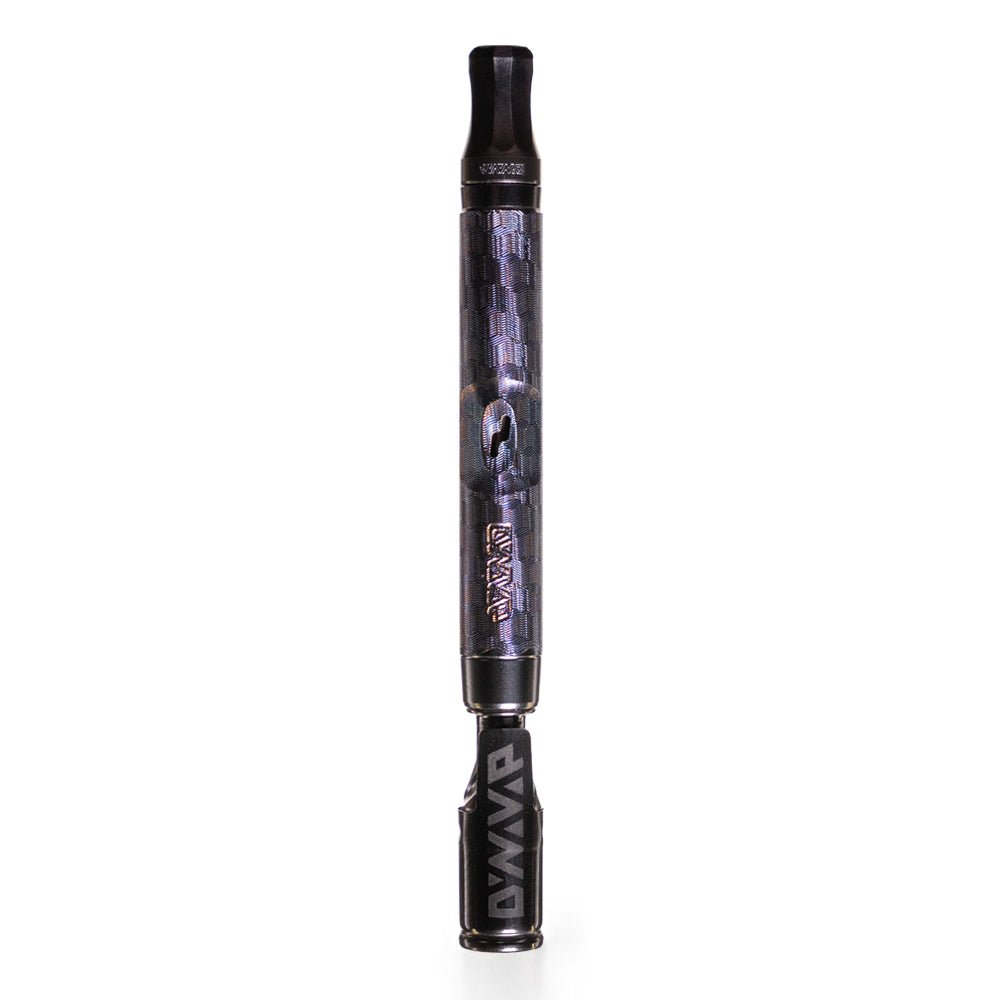
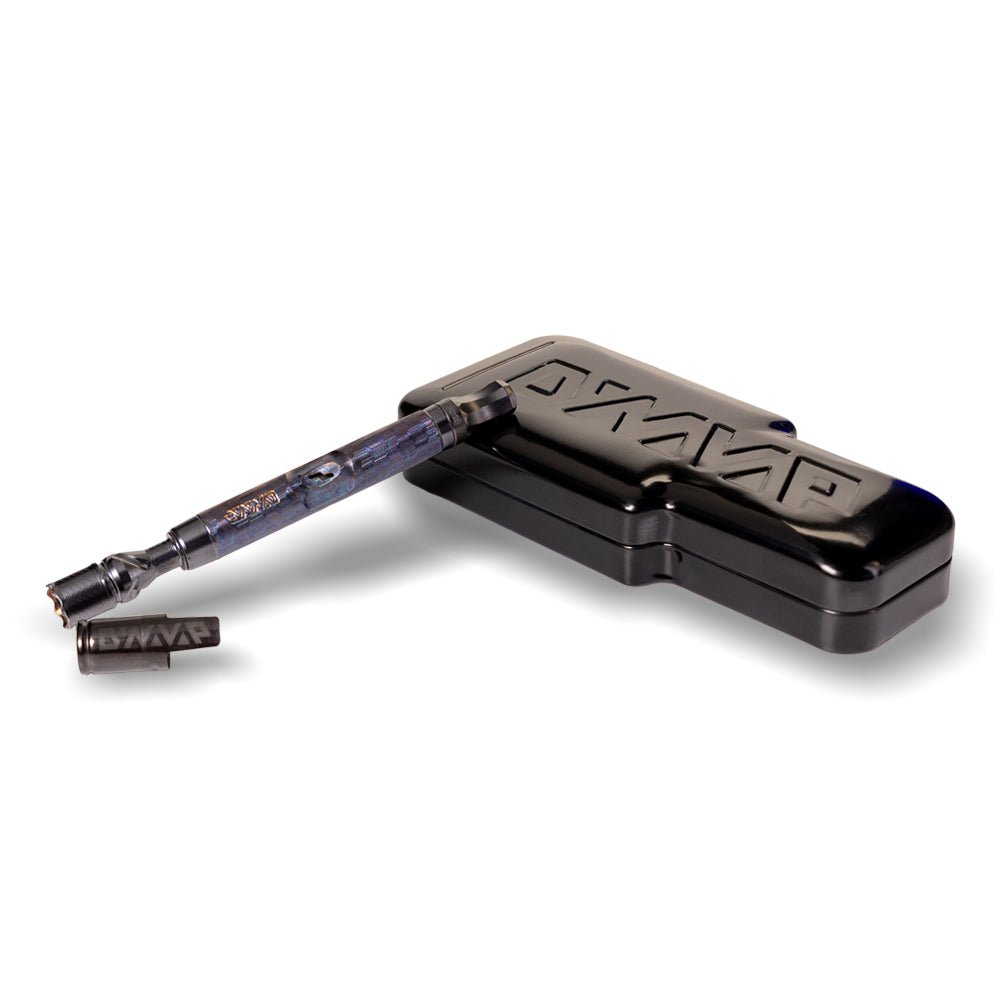
The best alternatives to glass pipe smoking in 2026 are battery-free thermal extraction devices, and DynaVap's lineup covers the full range from entry-level to premium. New customers should look at the M 7 first. Returning customers who already know the ritual will appreciate the VonG (i): Titanium. The BB3 is a solid glass-bodied option for anyone who wants a cooler draw with a familiar feel.
| Device | Best For | Chamber | Price |
|---|---|---|---|
| M 7 | New users, daily use | 0.1g | $89 |
| M 7 XL | Longer sessions | 0.1g | $89 |
| VonG X | Water piece users | 0.1g | $160 |
| WoodWynd | Returning customers | 0.1g | Varies |
| HyperDyn | Large sessions | Larger | Varies |
| BB3 | Cool draws | 0.1g | $49 |
The Chill Steel Pipe pairs well with any of these if you want water filtration without fragile glass. According to Dataintelo's global tobacco pipe market research, the pipe market continues to grow at a 4.1% CAGR through 2034, and design innovation is a major driver.

Cleaning and Maintaining Your Alternative Device
Cleaning takes minutes if you stay ahead of resin buildup, and it is the single best way to keep a device tasting the way it did on day one. The routine changes slightly depending on what the device is made of, so here is the breakdown by material.
Metal tips and caps. Disassemble the device and wipe the cap down rather than soaking it. Never soak the cap. A wipe is all it needs, and soaking can damage the internals that make the click reliable. Use isopropyl alcohol on the stem and tip, then let everything dry fully before reassembling. If you stay on top of it, you will rarely need more than a quick wipe between sessions.
Silicone components. Warm water and mild soap work fine. Silicone can hold onto odors, so a slightly more frequent wash keeps it fresh. Avoid harsh chemical cleaners, which can break down the material over time.
Glass stems and bodies. Isopropyl alcohol and a pipe cleaner handle most buildup. Glass is non-porous, so it releases residue easily. Just handle it carefully, since thermal shock and drops are the two things that end a glass stem early.
Steel and titanium. These are the easiest to maintain. A wipe down and an occasional ISO rinse keep them in shape, and they will outlast almost anything else in your kit. That longevity is the quiet environmental argument against disposables. A device you clean and keep for years replaces a drawer full of things you throw away.
A few habits make all of this easier. Clean while the device is still warm but not hot, since residue comes off more readily. Keep a small kit with ISO, pipe cleaners, and a microfiber cloth so cleaning is never a chore you put off. And check the click before each session. If the cap sounds muffled or the click feels soft, it usually means residue has built up and a wipe down is overdue. The click is your signal, so keeping it crisp is the whole point.
Conclusion
The hardest part of leaving combustion behind is not the device. It is unlearning the habit of packing a full bowl. Start with a smaller chamber, respect the click, and let the ritual do the work.
Frequently Asked Questions
What are the benefits of switching from combustion to thermal extraction?
Thermal extraction devices heat dry herb without burning it, so you avoid smoke and the byproducts of combustion. Many users report better flavor and a more efficient session. Devices like the M 7 use a regular 0.1g tip, and you can stretch your stash up to 3X compared to smoking. The click in the cap signals when you are ready to inhale, making it simple to get consistent results.
How does a thermal extraction device compare to a glass pipe?
A glass pipe relies on combustion, which creates smoke and resin buildup. Thermal extraction devices like The VonG (i): Titanium heat the herb to release vapor without burning. They are battery-free and work with a torch or induction heater. Cleaning is easier because you only wipe down the cap and use isopropyl alcohol on the rest. Many users find the flavor is cleaner and the session more controlled.
Are metal or wood pipes better than glass?
Metal and wood pipes offer durability and a different feel. Stainless steel devices like the M 7 are built to last and resist breakage. Glass pipes can break if dropped, but they offer pure flavor. Your choice depends on whether you prioritize portability, durability, or a specific aesthetic. All materials have trade-offs in heat resistance and maintenance.
What is the advantage of using an induction heater for dry herbs?
An induction heater provides consistent, torch-free heating. It uses a battery, so you will need to charge it. Induction heaters are great for beginners because they eliminate the need to aim a flame. They work with most DynaVap devices. You still get the click, and you can enjoy the same flavorful experience without carrying a torch. It is a convenient option for indoor use or when you want a more controlled heat.
How can I make my dry herb stash last longer?
Efficient dry herb consumption starts with using less material per session. Thermal extraction devices like the M 7 have a 0.1g tip, and you can use the adjust-a-bowl to microdose. Because these devices extract more thoroughly, you may find you need less herb to get the same effect. Saving your already vaped bud (AVB) for later use is another way to stretch your supply. Many users report their stash lasts up to 3X longer.
DynaVap builds thermal extraction devices in-house, from the M 7 to the VonG X, WoodWynd, and HyperDyn. Every device is battery-free, built to last, and designed to stretch your stash. Rated 4.7/5 from over 10,000 reviews. Get started with DynaVap and find the device that fits how you actually consume.