

Last Updated: October 30, 2026
Quick Summary
Flavor profile is the total taste and aroma signature your herb gives off, and it shows whether your heat, device, and technique are working together. Protecting it means releasing fragile top notes gently, letting heavier notes follow, and stopping at the click before degradation sets in.
- Aroma compounds are light and escape fast, while flavor compounds sit heavier and release later.
- Even heat distribution prevents scorching hot spots that create burnt and thin notes in the same puff.
- Induction heating is gentler and more repeatable than a direct flame blast from a torch.
- Keep the flame moving, respect the click, and use clean butane to protect flavor with a torch.
- Never soak the Cap; clean it with a wipe down only.
Table of Contents
- Why Flavor Profile Matters in Thermal Extraction
- What Is a Flavor Profile, Exactly?
- How Heat Protects Volatile Compounds and Molecular Integrity
- Dry Herb Vaporizer Flavor: What Changes Between Devices
- Torch Heated Vaporizer Technique and the Flavor You Get
- Induction Heater Vaporizer: Consistency Without a Flame
- Troubleshooting Flavor Loss and Reading Sensory Quality
- Pick Your DynaVap and Taste the Difference
- Frequently Asked Questions
Why Flavor Profile Matters in Thermal Extraction
Flavor profile is the total taste and aroma signature you get from your herb, and in thermal extraction it is the clearest sign that your heat, your device, and your technique are all working together. At DynaVap, we build combustion-free devices around one idea: heat the material evenly, and the flavor takes care of itself. That is why flavor profile matters in thermal extraction. It tells you whether you extracted the good stuff or cooked it away.
Here is the short version. Heat releases the compounds that carry taste and smell. Too much heat, or heat in the wrong place, and those compounds break down before they reach you. Get it right and you taste layers instead of ash.
Below, we break down what a flavor profile actually is, how heat protects or ruins it, and how torch and induction heating each change the result.
What Is a Flavor Profile, Exactly?
A flavor profile is the combined set of taste and aroma notes a material gives off, built from volatile compounds that release at different points as heat rises. Aroma and flavor work as a pair. Most of what you call "taste" is really smell, which is why a device that preserves aroma delivers a fuller experience.
Researchers studying flavor describe it as a mix of biological, chemical, and sensory factors, not a single number you can measure once (flavor engineering review). In practice, that means your flavor profile shifts with the material, the grind, the heat, and how clean your device is.
Aroma and Flavor Work as a Pair
Aroma compounds are light and escape fast. Flavor compounds sit heavier and release later. A good extraction session walks through both in order.
- Early puffs: bright, top notes driven by aroma
- Middle puffs: fuller body as heavier compounds release
- Late puffs: deeper, toastier notes, and a signal to stop
Miss the early window and you never get those top notes back.
How Heat Protects Volatile Compounds and Molecular Integrity
Heat is the whole game. Applied well, it lifts volatile compounds off the material without breaking them apart. Applied badly, it causes thermal degradation, where heat-sensitive compounds break down into harsher, flatter notes. Maintaining this delicate thermal balance preserves the vibrant aromatics that define freshly roasted coffee, ensuring that the cup retains the complexity lost during prolonged storage.
To understand why, it helps to know that a flavor profile is not one substance but a family of them, and they do not all behave the same way under heat. The lightest compounds, the ones responsible for bright, fresh top notes, are the most fragile. They volatilize early and degrade first when heat climbs too fast. Heavier compounds, the ones behind body and depth, need more energy to release and are more forgiving. A good extraction walks that ladder in order instead of blasting past the rungs.
Research on thermal processing shows heat drives the formation of flavor- and odor-active compounds, and that texture changes affect how you perceive taste and smell (review of thermal and non-thermal effects). The lesson for extraction is simple: control the heat and you control the outcome. Keeping material sealed from air while heating and using a clean device also help protect the flavor.
Three things protect molecular integrity during a session:
- Even heat distribution. Hot spots scorch material while the rest stays under-extracted, so you get burnt notes and thin notes in the same puff.
- Indirect heat. A steady, surrounding heat source is gentler than a direct flame blast, which is why induction heating is so repeatable.
- A clear stop signal. The Captive Cap clicks once on heat-up and once on cool-down, so you know when to stop.
The practical takeaway: protect the light compounds first and the heavy ones follow. Rush the heat and you trade layers for ash.
Dry Herb Vaporizer Flavor: What Changes Between Devices
Device design changes flavor more than most people expect. The dry herb vaporizer flavor you get depends on the material, the chamber size, the airflow path, and how evenly heat spreads.
Titanium is known for a clean taste, and stainless steel is a solid choice for a fuller extraction. Airflow matters too, since convection helps spread heat more evenly.
If flavor is your priority, our UniDyn vs WoodWynd flavor comparison walks through how two of our most flavor-focused devices differ in taste and ease of use.
A quick comparison of what shifts flavor between devices:
| Design Factor | Flavor Impact | What to Look For |
|---|---|---|
| Chamber material | Titanium tastes cleaner, steel runs fuller | Match to your preference |
| Chamber size | Smaller loads stay fresher | Adjust-a-Bowl on the M 7 |
| Airflow path | More convection, gentler heat | Open airport settings |
| Heat source | Torch is manual, induction is repeatable | Pick your ritual |
Torch Heated Vaporizer Technique and the Flavor You Get
Torch technique plays a big role in flavor. A torch gives you hands-on control over the session. You decide where the flame points and how long it stays there.
A few habits protect flavor with a torch:
- Keep the flame moving. A steady rotation helps spread heat around the chamber.
- Respect the click. Stop at the first click on heat-up.
- Use clean butane. Impurities can carry into the taste.
Rushing can be a common mistake, since overheating tends to burn off the lighter flavor notes. Slowing down often helps the flavor come through.
For torch picks that suit your hand and your routine, our guide to the best torch lighter for DynaVap covers what to look for.
Induction Heater Vaporizer: Consistency Without a Flame
An induction heater removes the flame from the process. Induction heaters do use a battery, so they need charging.
Browse our induction heaters to see the options.
Troubleshooting Flavor Loss and Reading Sensory Quality
Flavor loss almost always traces back to one of a few causes. Read the signs and fix them fast.
- Harsh, burnt taste: heat was too high or too long. Slow down and respect the click.
- Thin, faint taste: under-heating or a loose pack. Try a slightly fuller chamber.
- Muted flavor on a clean device: material may be dry or old.
- Inconsistent sessions: with an induction heater, check the connection first.
You can treat each session like a short tasting and note three things: aroma before heat, the first-puff impression, and where the flavor fades. Writing them down can help you spot changes over time.
A simple pattern you might find useful:
| What you notice | Likely cause | First fix |
|---|---|---|
| Bright notes vanish early | Heat too aggressive | Ease off, respect the click |
| Flavor flat from puff one | Material dry or old | Try fresher material |
| Good start, harsh finish | Over-extraction | Stop at the click |
| Session-to-session swings | Heat source inconsistent | Switch to an induction heater |
If your results swing session to session with an induction heater, our guide on troubleshooting induction heater connectivity issues covers the usual fixes.
Never soak the Cap. Clean it with a wipe down only.
Pick Your DynaVap and Taste the Difference
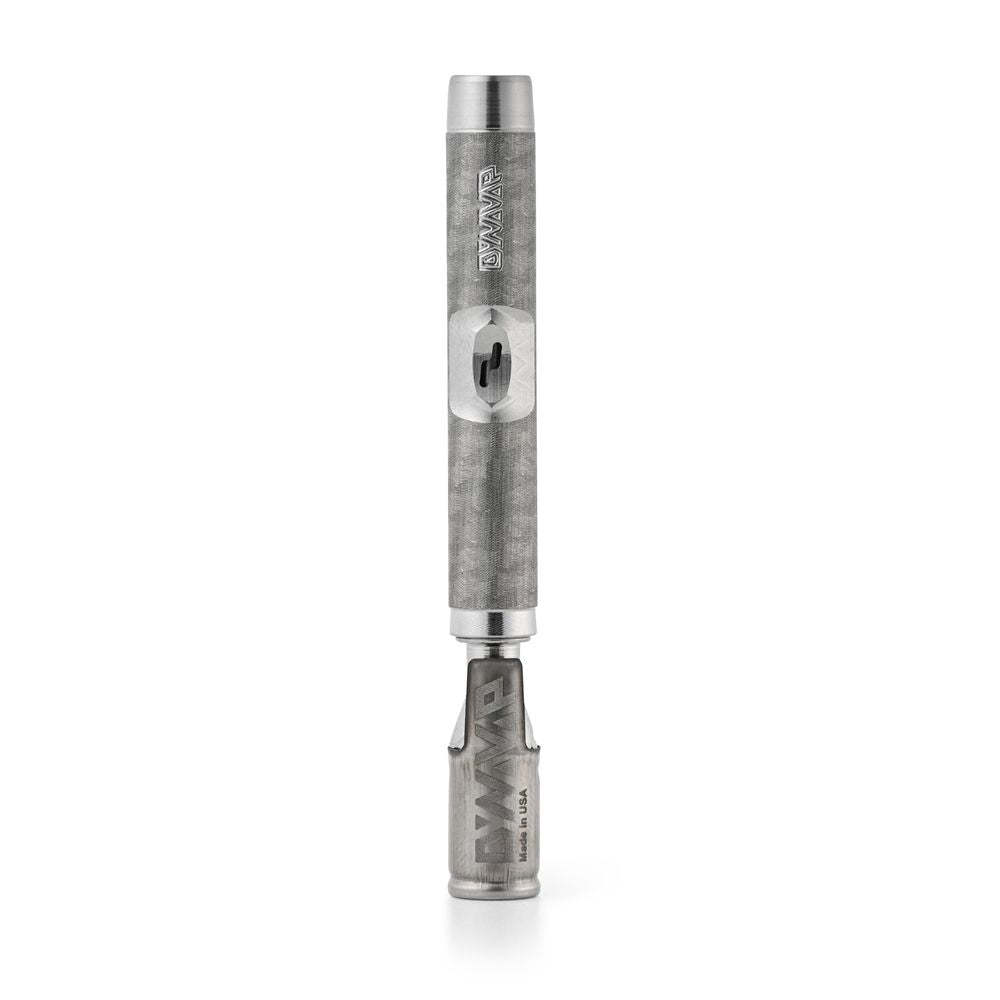
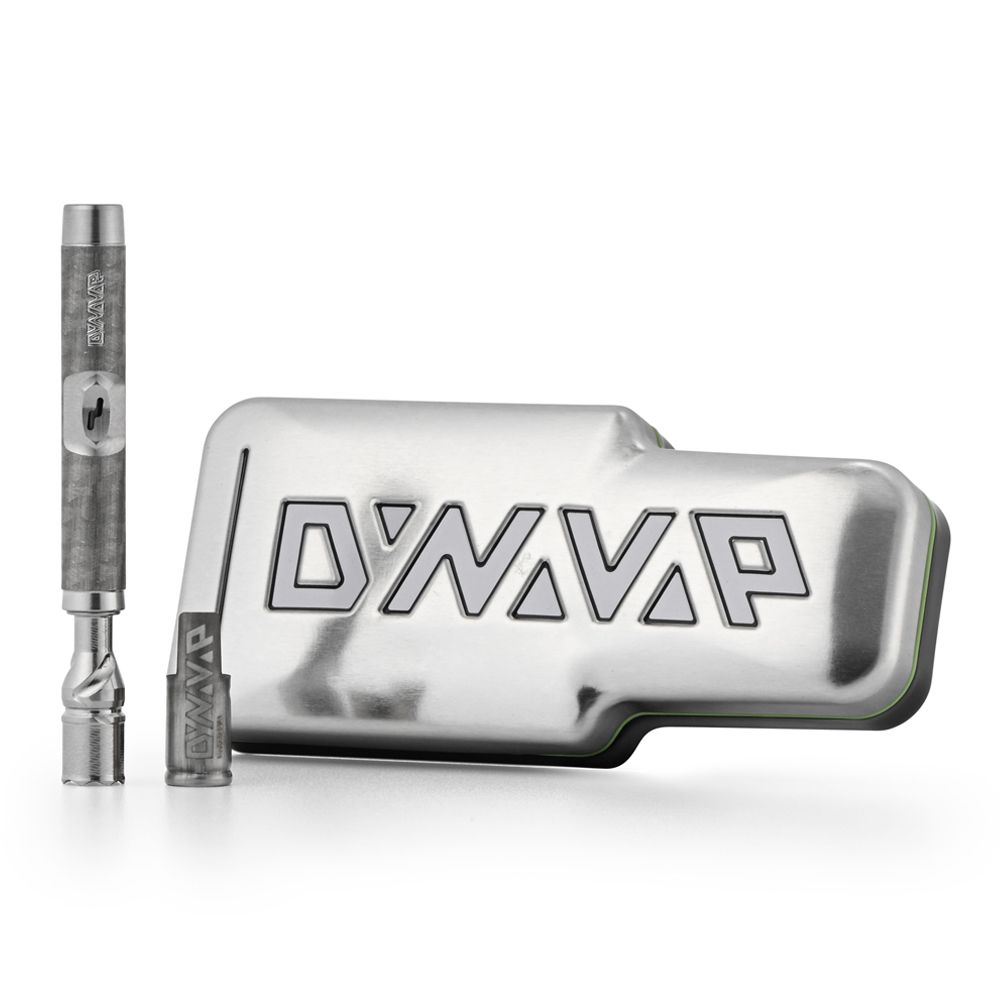
New to thermal extraction? Start with the M 7 at $89.00 or the M 7 XL. The M 7 is our flagship stainless steel device, with a refined tip designed to spread heat evenly. Its Adjust-a-Bowl feature lets you cut the chamber in half for microdosing, and the standard Tip holds a regular-size load in the 0.1g range.
Already own a DynaVap? The VonG X, WoodWynd, and HyperDyn are built for returning customers, and the 5-Fin Titanium Tip at $40.00 is compatible with all DynaVap vaporizers except the G3.
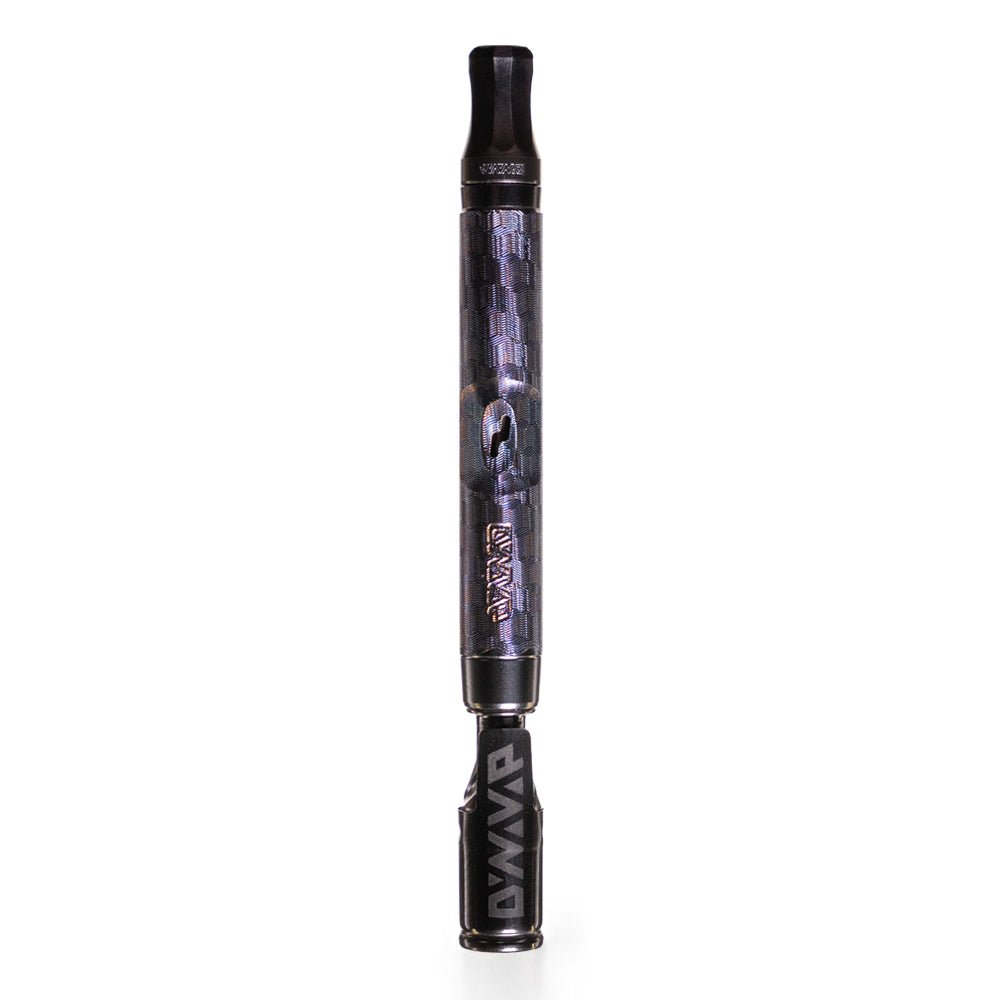
Flavor-focused buyers may want to look at the UniDyn at $119.00. Its lightweight titanium build and BallR Cap combine for a convection-driven session.
For a shortlist, see our top DynaVap vaporizers.
Frequently Asked Questions
Why does flavor profile matter in thermal extraction?
Flavor profile is your best feedback signal. Paying attention to flavor can give you useful feedback on your technique, your heat source, and your device.
How does torch heating compare with induction heating for flavor?
Both work well, and the difference comes down to control. A torch heated vaporizer gives you direct, hands-on command of where the flame points and how long you heat, which suits people who like adjusting the session as they go. An induction heater vaporizer removes the flame variable and delivers the same result each time, though it does use a battery. If you enjoy the ritual, a torch rewards practice. Induction heaters use a battery and need charging.
How can I get more consistent flavor from a dry herb vaporizer?
Grind evenly, load loosely so air can move, and respect the click. The Captive Cap clicks once during heat up and once during cool down, and that single click is your cue to stop heating. Clean the tip regularly with a wipe down only, never by soaking the cap. Rotating the device while you heat can help spread warmth across the chamber.
What affects flavor during dry herb vaporization?
Four things dominate: heat source, airflow, pack density, and how clean the device is. Restricted airflow and an over-packed chamber can both limit how air moves through the device. Device material also matters, and titanium and stainless steel are the materials used in DynaVap's tips and devices. Adjusting the airport on something like the M 7 gives you direct control over how much air mixes with the vapor.
Flavor is the fastest way to tell whether your extraction is working. If you want a device built around that idea, DynaVap makes combustion-free thermal extraction devices with a clear click, even heat, and a clean taste, all built to last a lifetime. Get started with DynaVap and taste what your herb has been hiding.