

Table of Contents
- Why Dry Herbs Scorch and What It Means
- How to Pack a Vaporizer Bowl for Even Heat
- Manual Vaporizer Heating Technique: Getting It Right
- How to Use an Induction Heater to Prevent Scorching
- Cleaning Your Vaporizer Cap and Maintaining Peak Performance
- Preparing and Storing Herbs to Avoid Scorching
- Common Mistakes That Lead to Scorching
- Conclusion
- Frequently Asked Questions
Last Updated: September 3, 2026
Scorching your herbs wastes product and ruins flavor. It happens fast, and most people don't realize they're doing it until it's too late. The good news: once you understand what causes scorching and how to prevent it, you can dial in your technique and stretch your stash significantly further.
This guide from DynaVap covers everything you need to know about how to avoid scorching dry herbs, from packing your bowl correctly to reading the signals your device gives you during heating. Whether you're using a torch or an induction heater, the principles are the same: control your heat, manage your material, and pay attention to what your device is telling you.
Why Dry Herbs Scorch and What It Means
Scorching happens when heat exposure exceeds the point where compounds vaporize and crosses into combustion territory. Your herbs don't need to burst into flame to be scorched, even at temperatures just below the combustion threshold, the material darkens, the flavor turns bitter, and you lose the aromatic compounds you're after.
When material scorches, you're approaching combustion, which defeats the entire purpose of using a vaporizer in the first place.
The difference between a perfect session and a scorched one often comes down to seconds. Too much heat, held too long, and your material turns from light golden-brown to dark brown or black. That's scorching. It tastes harsh, it wastes material, and it's entirely preventable once you know what to watch for.
How to Pack a Vaporizer Bowl for Even Heat
Your packing technique directly affects how evenly heat distributes through your material. Uneven packing creates hot spots where some herb scorches while other parts remain underextracted.
Start with properly ground material, aim for a medium-fine consistency, similar to coarse sand or ground coffee (peer-reviewed research). This texture ensures even heat distribution and consistent vapor production. If your herb is too coarse, heat penetrates unevenly and you'll get thick vapor from some areas while others remain cool. If it's too fine, you risk restricting airflow, which can actually cause localized overheating.
Pack your bowl with gentle, even pressure. The material should sit snugly in your chamber without being compressed so hard that air can't flow through. Think of it like filling a salt shaker, firm enough to stay in place, loose enough that air moves freely. Over-packing is one of the most common mistakes. It restricts airflow, creates uneven heating, and significantly increases the chance of scorching.
Fill your bowl consistently to the same level each time. This helps you develop muscle memory for how long to heat and how many draws you can take before needing to reheat. Inconsistent packing means inconsistent results, and inconsistent results mean you're more likely to scorch while you're still learning.
Packing Approach |
Result |
Best For |
|---|---|---|
Too tight |
Restricted airflow, uneven heating, scorching |
Avoid |
Gentle, even pressure |
Even heat distribution, consistent vapor |
Standard use |
Too loose |
Material falls out, uneven extraction |
Avoid |
Consistent depth |
Predictable heating cycles, better control |
Skill building |
Manual Vaporizer Heating Technique: Getting It Right
Torch Heating Fundamentals
Torch heating gives you direct control over temperature, but that control requires attention. You're applying external heat, and the material responds immediately. Too aggressive, and you scorch. Too timid, and you underextract.
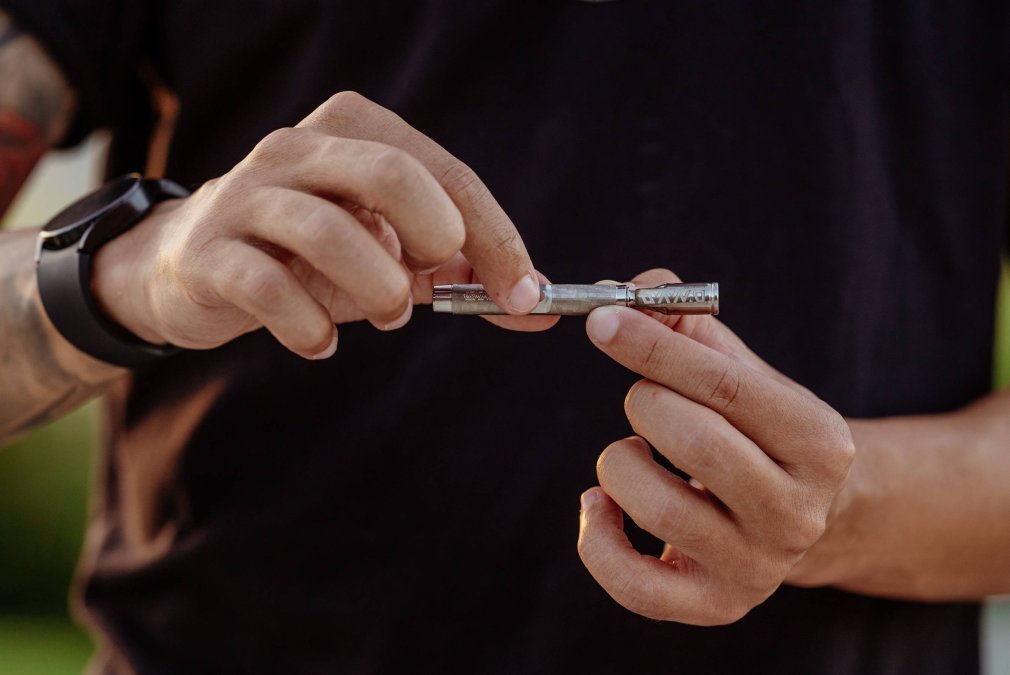
Hold your torch at a 45-degree angle, about an inch away from the cap. This distance matters, closer heat is more intense, farther heat takes longer to build. Start with the outer edge of the cap and rotate slowly, letting the heat distribute across the entire surface. Don't focus the flame on one spot; keep it moving in a circular pattern.
The heating phase typically lasts 5-15 seconds, depending on your torch, the ambient temperature, and how many times you've heated in succession (PubMed). The first heat cycle usually takes longer than subsequent ones because you're starting from room temperature. Later cycles are faster because your device retains residual heat.

Watch for visual cues. The cap will begin to show subtle color changes as it heats, this is your signal that you're approaching the right temperature. You're not looking for dramatic color shifts; subtle changes are your guide.
Reading the Click: Your Temperature Indicator
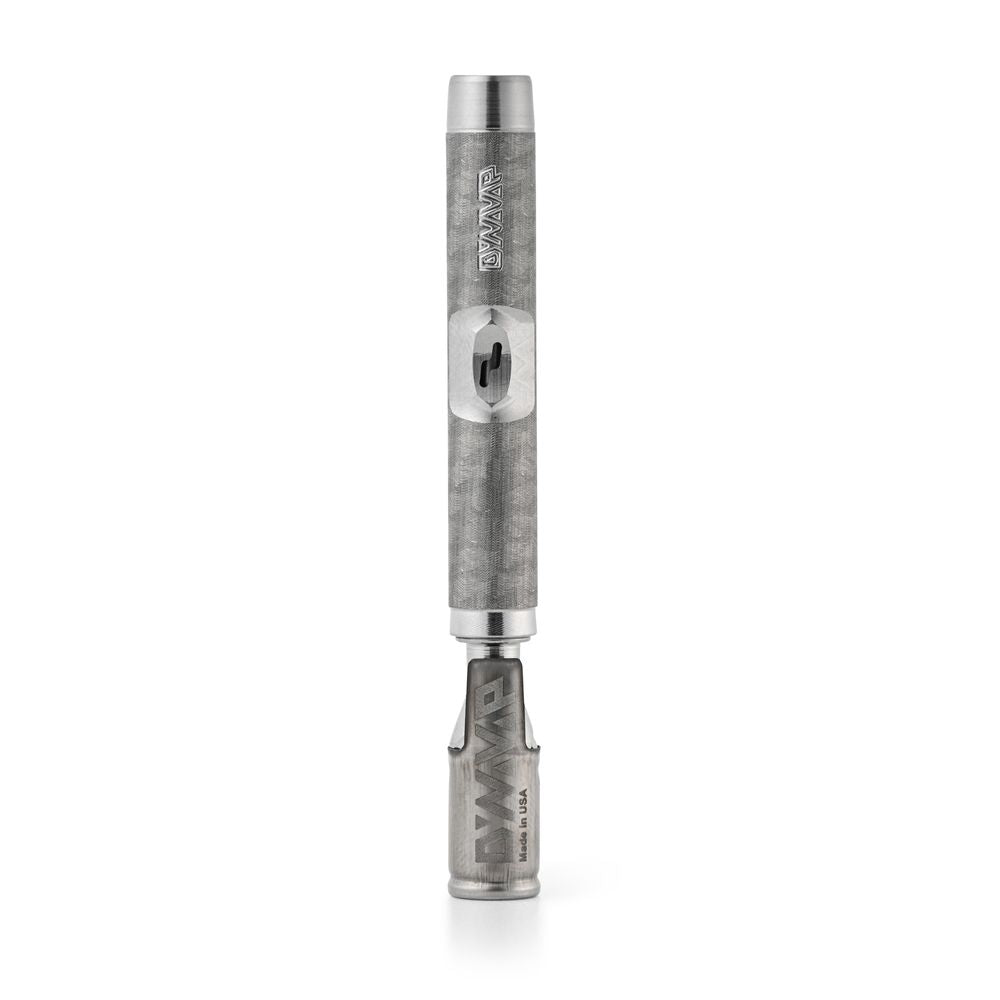
The click is your device's built-in thermometer. DynaVap's signature cap is engineered to click when heated to the correct vaporization temperature. That click tells you two critical things: you've reached optimal temperature, and you should stop heating immediately.
Most people miss their first click because they're expecting something louder or more dramatic. The click is subtle, a small metallic sound that becomes obvious once you've heard it a few times. Some people feel it in their hand before they hear it. Pay close attention during your first few sessions.
Stop heating the instant you hear the click. Don't keep the torch on "just a little longer." That's how scorching happens. The device continues heating from residual flame for a fraction of a second after you pull the torch away. The click accounts for this thermal lag, it's calibrated to bring you to optimal temperature, not to the point where you need to cool down first.
After the click, wait 2-3 seconds before drawing. This pause lets the heat settle and ensures even distribution. Then draw slowly and steadily for 10-15 seconds (PubMed). Slow draws allow hot air to fully permeate the herb, extracting compounds evenly. Rapid, forceful inhales cool the device too quickly and reduce vapor quality.
How to Use an Induction Heater to Prevent Scorching
Induction heaters remove the torch entirely and replace it with electromagnetic heating. This approach eliminates the guesswork of manual torch control and makes it harder to scorch because the heating is automated and consistent.
An induction heater uses a battery to generate a magnetic field that heats the cap without an open flame. You insert your device, press the button, and the heater brings the cap to temperature automatically. The click still happens, your device tells you when it's ready, just like with torch heating.
The advantage here is repeatability. Every heating cycle is identical. You get the same temperature, the same timing, the same results. This consistency makes it much easier to dial in your technique because you're not dealing with variables like torch intensity, distance, or ambient temperature. maintaining steady temperatures.
The downside is that induction heaters require a battery and cost more upfront. But for someone learning how to avoid scorching, the consistency is worth it. You can focus entirely on your packing, your draw technique, and understanding how your material responds, without worrying about heating variables.
If you're using an induction heater, the click still signals optimal temperature. Stop when you hear it. The heating is already dialed in, so you're just waiting for that signal and then drawing.
Cleaning Your Vaporizer Cap and Maintaining Peak Performance
Your cap is the heart of your device. Keep it clean, and it performs consistently. Let it get gunked up, and heating becomes uneven, which leads to scorching.
Wipe your cap down with a clean cloth or paper towel after each session. That's it. Don't soak it, don't submerge it, don't use solvents unless you're doing a deep clean. A simple wipe removes residual material and keeps the cap functioning properly.
For deeper cleaning, use a slightly damp cloth with minimal moisture. The cap is precision-engineered, and excess liquid can affect performance. A dry cloth is your default. A barely damp cloth is acceptable if needed. Anything more aggressive than that is overkill for regular maintenance.
The cap's ability to click depends on it being clean and free of buildup. Residue interferes with the thermal response, which can throw off your heating timing. Consistent wiping prevents this problem entirely.
Preparing and Storing Herbs to Avoid Scorching
Grind Size and Even Heat Distribution
Your grind size is just as important as moisture content. Consistency matters. If you're grinding some material fine and leaving other pieces coarse, you're creating a mixed heating environment where fine pieces scorch while coarse pieces remain cool.
Invest in a quality grinder and use it consistently. A medium-fine grind, similar to coarse sand or ground coffee, is your target. This size allows even heat penetration without restricting airflow.
Grind just before you use your material. Pre-ground herb exposed to air degrades faster and becomes more prone to scorching. Whole material stays fresher longer, so grind on demand.
Common Mistakes That Lead to Scorching
The most common scorching mistakes happen during heating and drawing. Understanding them helps you avoid them.
Heating too long or too intensely. This is the number-one culprit. People hold the torch too close, heat too aggressively, or ignore the click signal. The device is telling you when to stop. Stop when you hear it.
Drawing too quickly. Rapid inhales cool the device too fast and create uneven extraction. Some parts of your material heat while others cool, creating hot spots. Slow, steady draws for 10-15 seconds allow even extraction across the entire bowl.
Packing too tightly. Restricted airflow creates localized hot spots where material scorches while the rest stays cool. Pack gently and consistently.
Inconsistent grind size. Fine particles heat faster than coarse ones. Mixed sizes mean uneven heating. Grind consistently.
Reheating too aggressively. Your device retains heat between draws. The second and third heat cycles are faster than the first. Adjust your heating time accordingly. A 5-second heat on the second draw is often enough, whereas the first draw might need 10-12 seconds.
Ignoring moisture content. Too-dry material scorches more easily. Too-moist material requires longer heating, which increases scorching risk. Get the moisture level right, and heating becomes much more forgiving.
Conclusion
Learning how to avoid scorching dry herbs comes down to three fundamentals: pack consistently, heat deliberately, and listen to your device. DynaVap devices are engineered to make this easier with the click signal that tells you exactly when to stop heating. Whether you're using a torch or an induction heater, the principles remain the same.
Start with gentle, even packing. Use medium-fine ground material. Heat until you hear the click, then stop immediately. Draw slowly for 10-15 seconds. Store your herbs in airtight containers away from light. Master these basics, and you'll eliminate scorching entirely while maximizing the efficiency of your material.
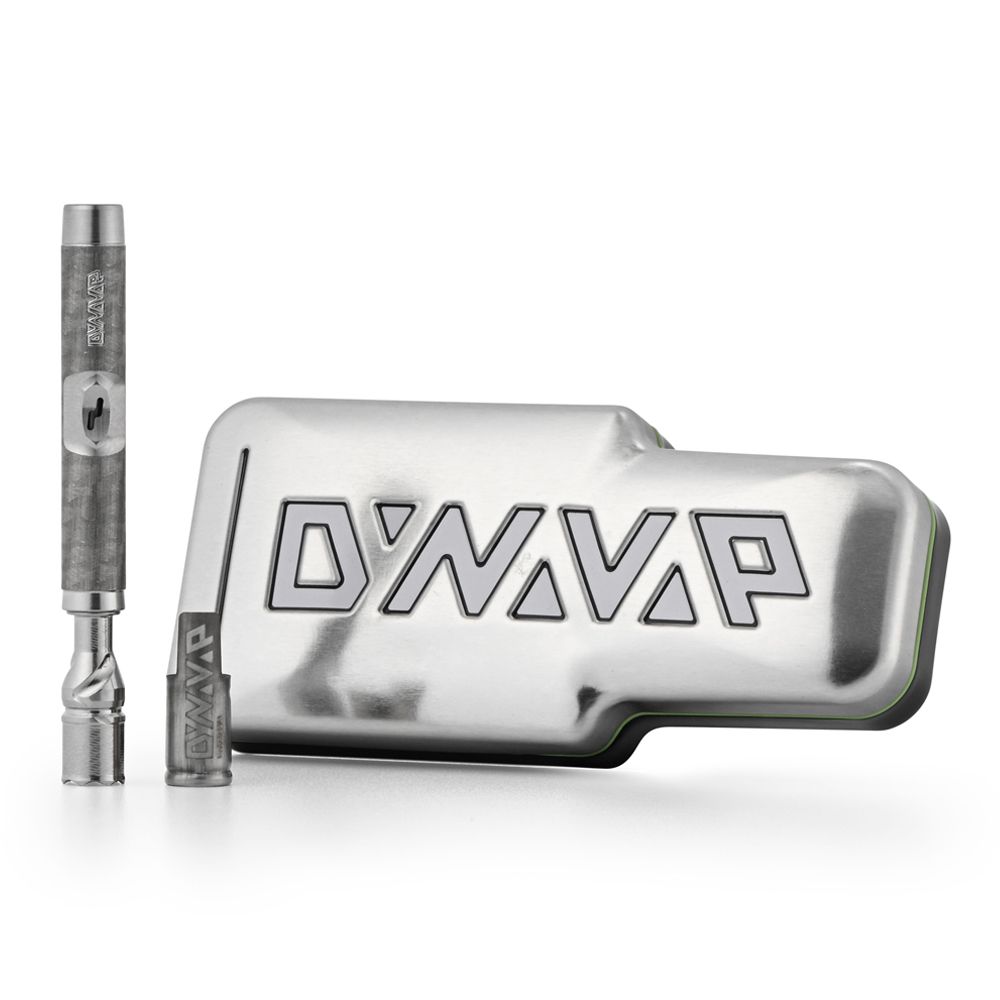
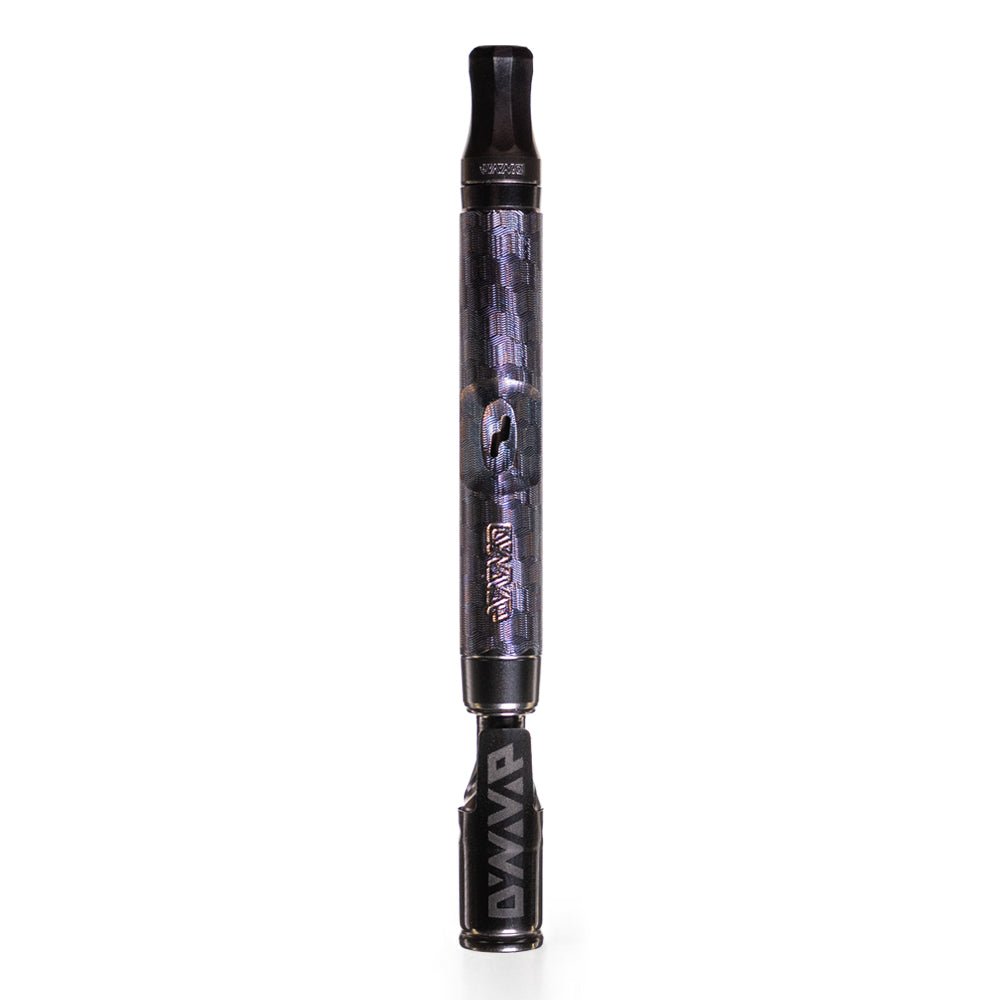
Ready to dial in your technique? Explore DynaVap's complete collection of devices, caps, and heating solutions at DynaVap's product lineup. The Low Temp Captive Cap ($25) and standard Captive Cap ($25) are engineered for precision heating and consistent performance, they're the foundation of every DynaVap device. SHOP ALL COLLECTIONS and find the setup that matches your style.

Frequently Asked Questions
Why does my herb taste burnt during thermal extraction?
Burnt flavor typically means your herb reached combustion temperature instead of staying in the vaporization range. This happens with inconsistent heating, overpacking the bowl, or holding the heat source too close for too long. Combustion produces charring and destroys the aromatic oils that create flavor. Use the click feedback from your cap as your guide, and pull the heat source away once you hear it. Proper technique prevents this by keeping heat exposure controlled and even.
How can I ensure even heating with a manual vaporizer to avoid scorching?
Even heating depends on three factors: consistent grind size (medium-fine, like coarse sand), proper bowl packing (not too tight, not too loose), and steady hand technique. Slow, deliberate draws lasting 10-15 seconds allow heat to permeate the herb evenly. Rapid inhales drop the chamber temperature and create uneven extraction. If you're new to manual heating, an induction heater removes the guesswork by delivering consistent, repeatable heat every session without the learning curve of torch technique.
Can induction heaters help prevent scorching?
Yes. Induction heaters deliver precise, consistent heat without the variability of torch technique, making them excellent for avoiding scorching. They heat your device to the optimal point automatically, eliminating the risk of overheating from holding a torch too long. The trade-off is that induction heaters use a battery and require charging, unlike torch-heated devices which are battery-free. For users who want to remove the learning curve and focus on enjoying their herbs, induction heating is a reliable option.
How do I know when my herbs are fully extracted without scorching them?
Fully extracted herb changes color from green or brown to a darker, spent appearance, and vapor production drops noticeably. The flavor also fades. You'll pull less vapor with each draw. Stop when vapor becomes thin and the residue looks evenly darkened throughout. Never push past this point trying to squeeze out more—that's when scorching risk climbs. With practice, you'll recognize the sweet spot between full extraction and overdoing it.
This article was written using GrandRanker