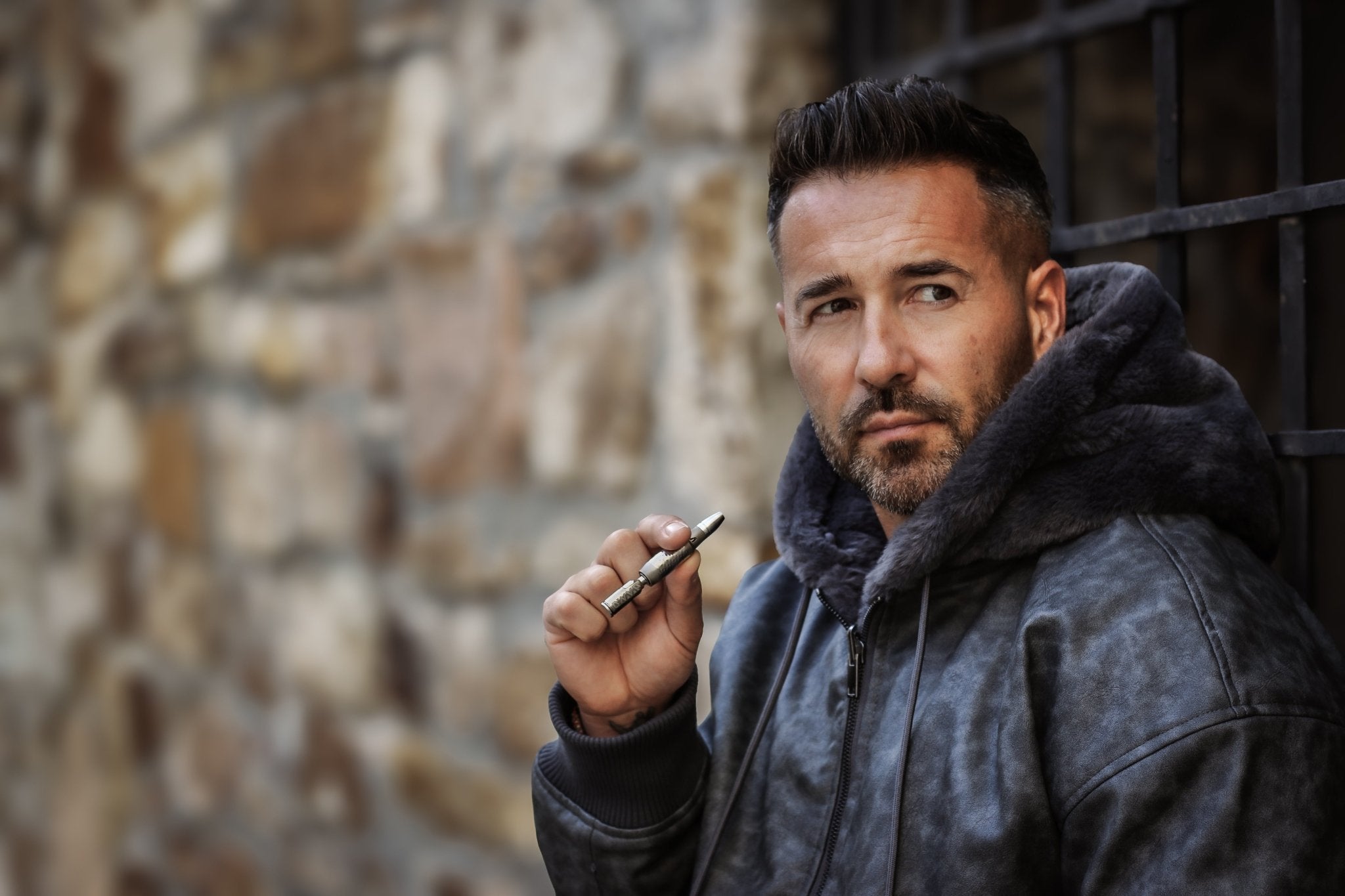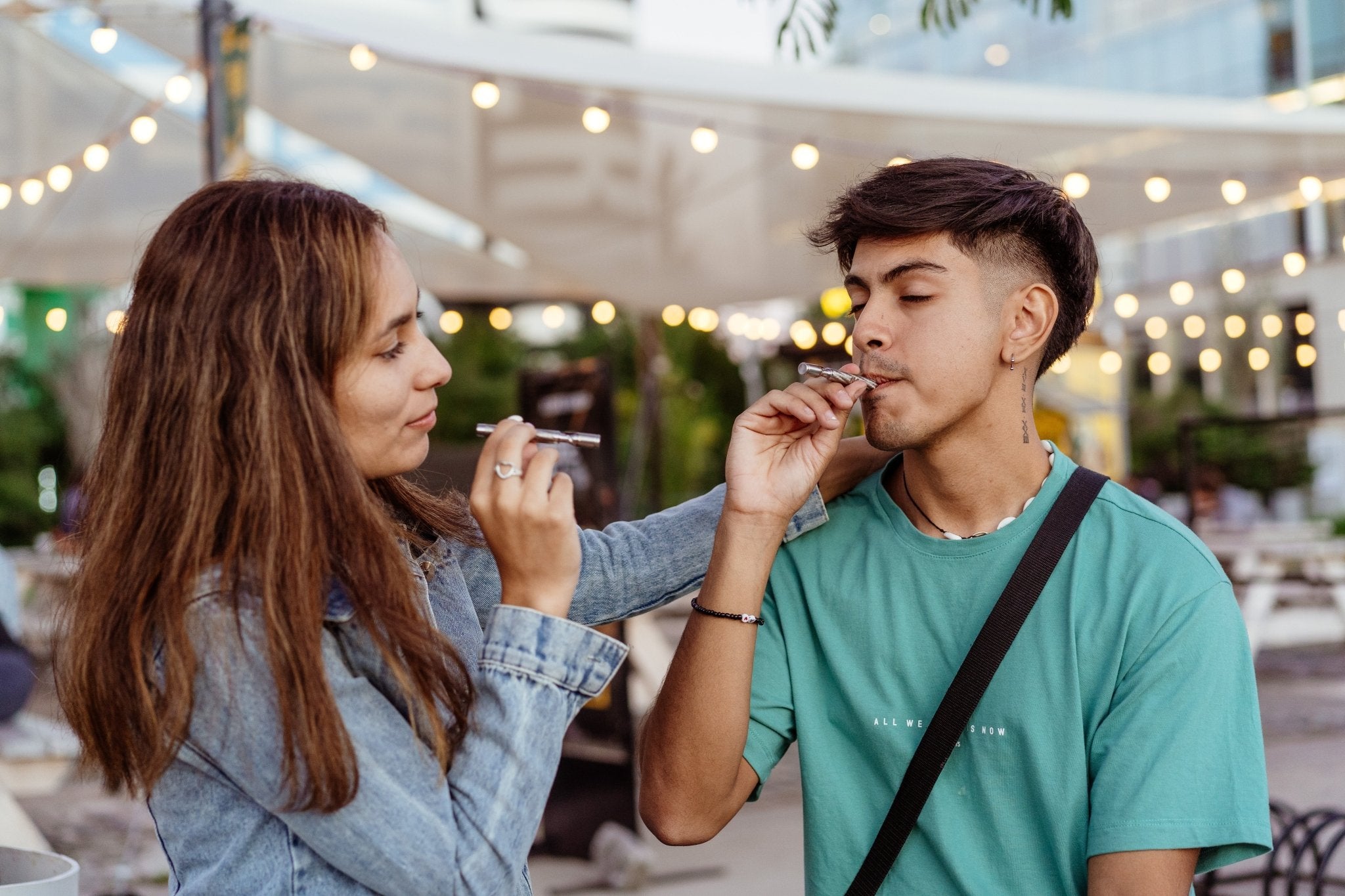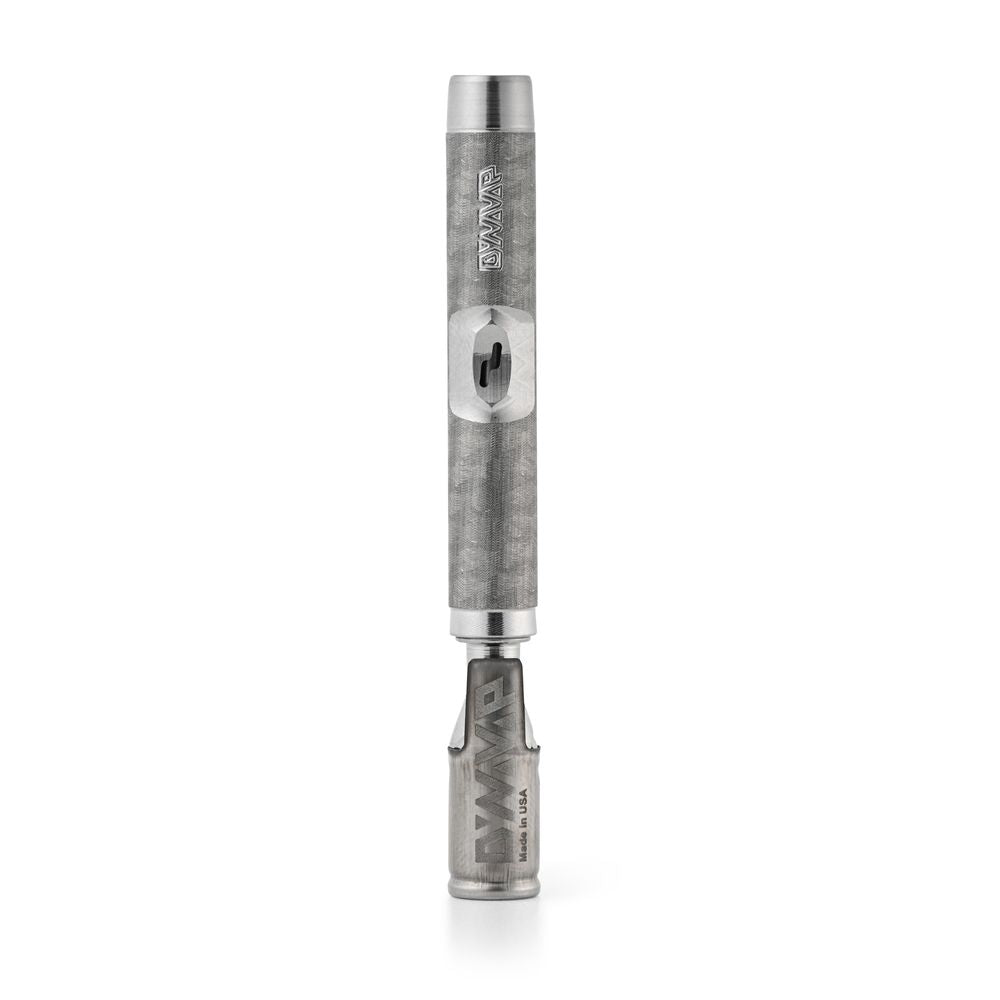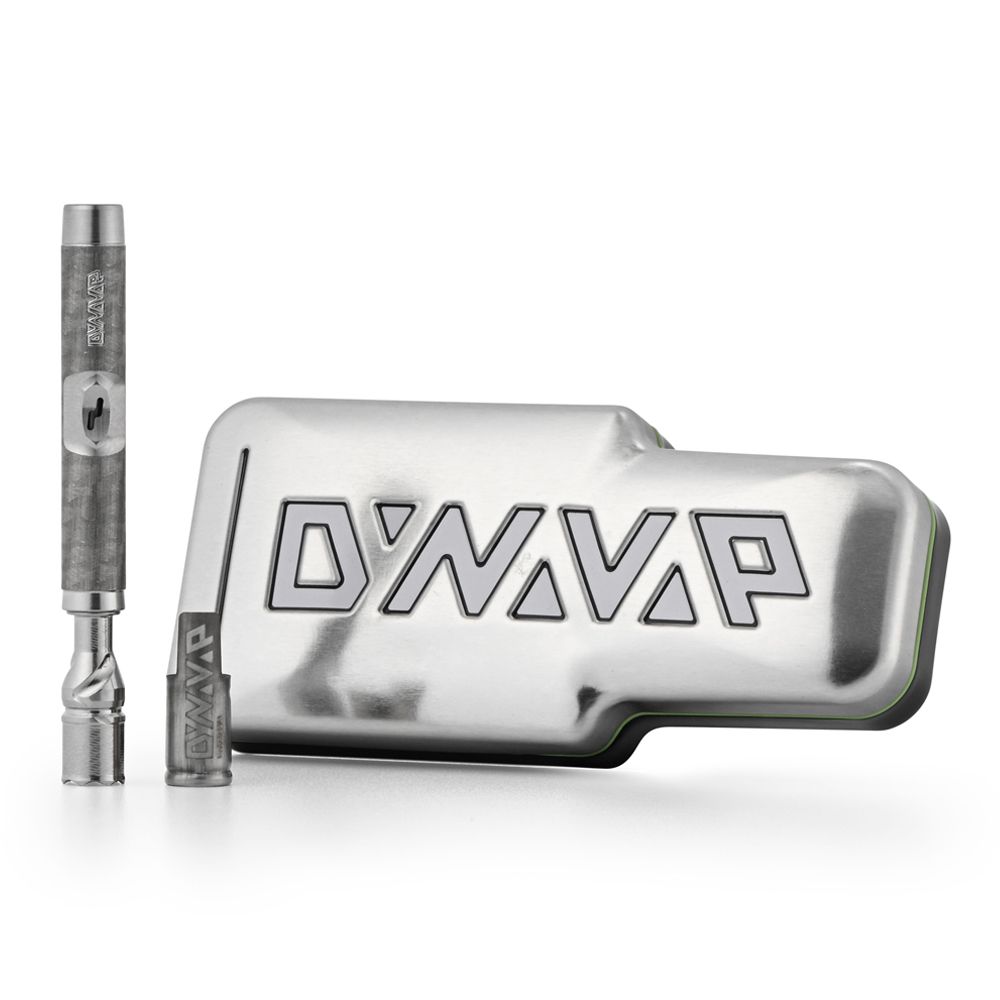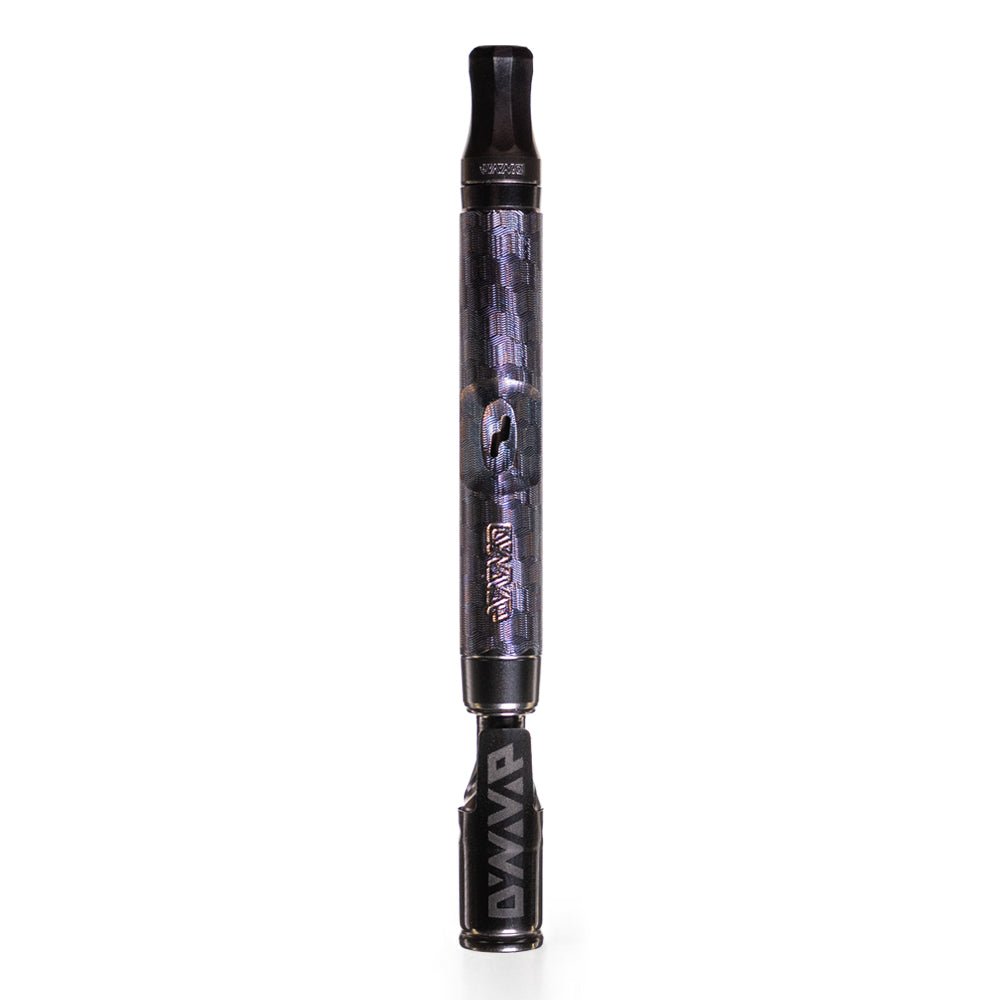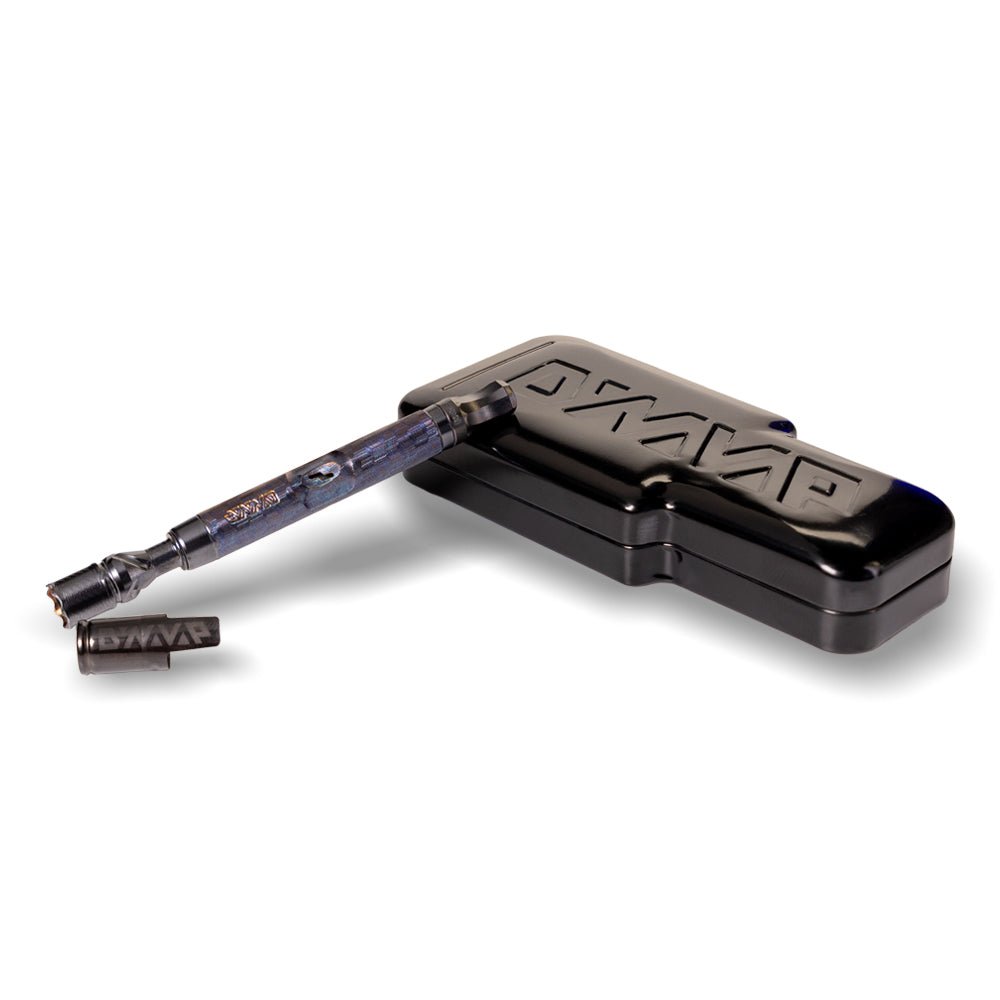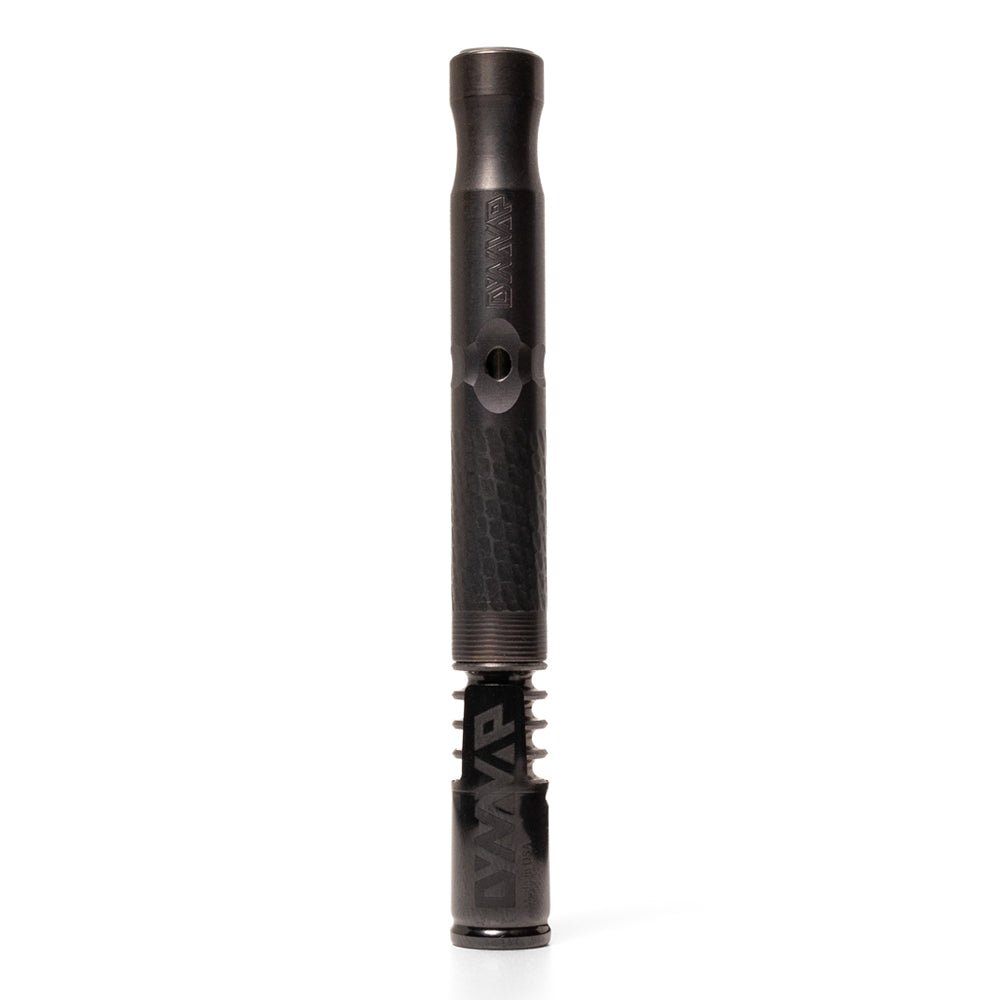


Battery-free vaporizer for travel is the phrase that suddenly makes sense the first time your electronic vape hits 2% on a hike, or your charger is buried somewhere at the bottom of a festival bag. When you are away from outlets and routines, the “best” option is the one that keeps showing up and doing the job.
That is exactly why we build DynaVap Thermal Extraction Devices (TEDs). Instead of relying on batteries, chips, apps, or internal heaters, you use external heat and the Cap’s signature click to guide your session. It feels less like babysitting a gadget and more like carrying a tough little tool that is ready when you are.
Battery-free vaporizer for travel: what you are actually packing
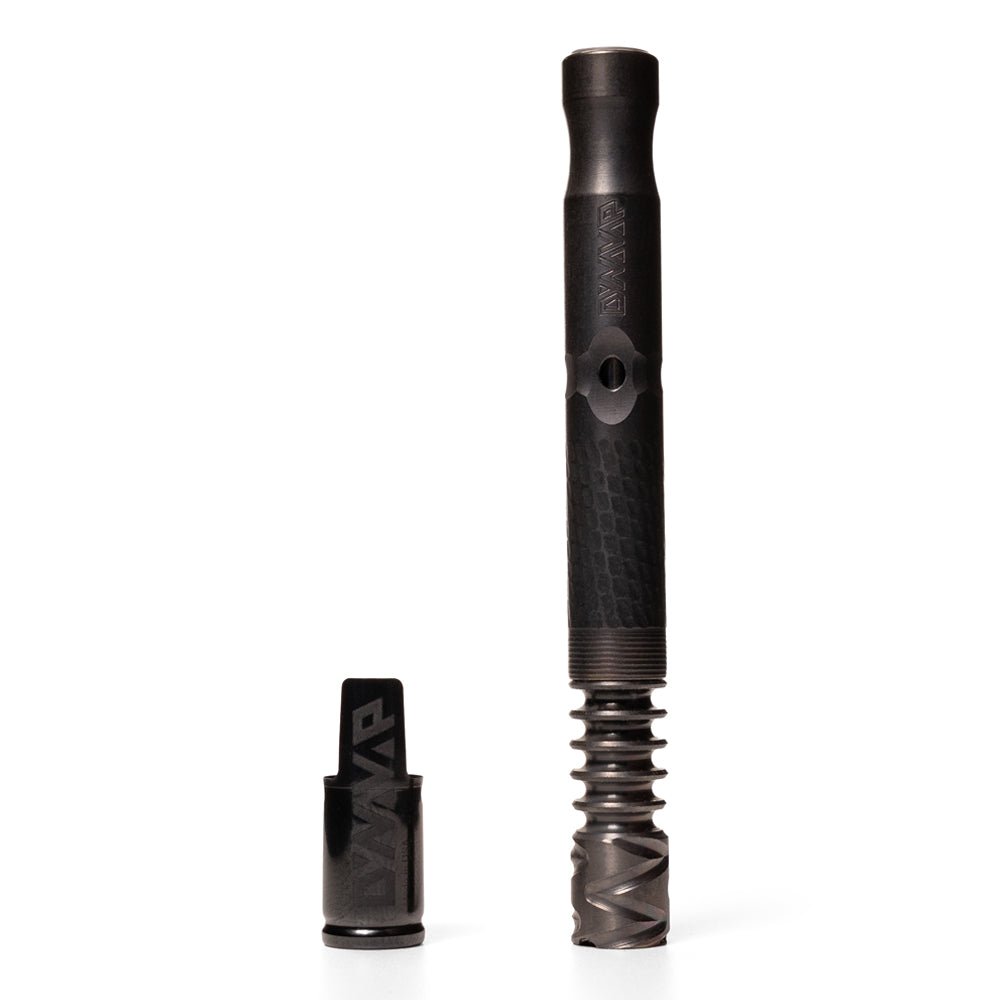
A battery-free dry herb vaporizer, also known as a Thermal Extraction Device (TED), is simple in the best way. You heat the Cap with an external heat source, typically Torch Heating, and you extract cannabinoids and terpenes from your dry herb without relying on electronics.
What makes our setup feel intuitive outdoors is the built-in feedback. The Cap gives you an audible, tactile click when you hit vaporization temperature, then a Cooldown Click when it is ready for another Heat Cycle. No screen. No guessing what “one light bar” really means.
If you want the deeper rundown on the category and who it fits, we put it all in What Is a Battery-Free Dry Herb Vaporizer and Who Should Use One.
And just to be clear: this is not a cartridge pen, not a disposable, and not an electronic dry herb vaporizer with presets. A TED is hands-on. For travel, that is often the point.
Why battery-free vaporizer for travel feels like cheating in the outdoors
When you are outside, “reliable” is not a buzzword. It is the whole reason you brought the gear. A battery-free setup has fewer things to quit on you at the worst moment.
- No charging anxiety: if you have a heat source, you have a session.
- Fewer failure points: no battery degradation, no finicky electronics, no cracked charge ports.
- Tool mentality: clean it, swap a small part if you ever need to, and keep moving.
You see this theme come up whenever people compare analog-style devices, especially among folks who camp, travel, or just do not want another thing to charge. If you want a real-world discussion, check out this r/vaporents thread on battery-free vaporizers.
Battery-free vaporizer for travel and airport packing: simpler by design
Air travel adds its own layer of friction, and batteries tend to complicate it. Lithium-ion rules, watt-hour limits, and the general “is this going to be a thing at security” feeling can turn packing into a checklist spiral.
With a metal TED, the device itself is not a battery pack. Many travelers take a straightforward approach: pack the vaporizer, and then source a torch at the destination where it is appropriate and allowed. Just make sure you clean it thoroughly before public travel.
This is not about skirting rules, it is about choosing equipment that is structurally easier to manage on the road.
Efficient extraction matters when you are carrying limited herb
When you are traveling, you are usually not hauling your whole stash setup, so efficiency stops being a nice bonus and starts being the plan.
Thermal extraction is about intentional heat and small, controlled loads. A lot of people find they can get satisfying results without packing heavy. Cannabis Now touches on this efficiency angle in their feature on DynaVap’s battery-free approach, including how a little material can go a long way with the right technique.
If you want to go even lighter, you can use Adjust-a-Bowl by repositioning the Circumferential Compression Diffuser (CCD) screen inside the Tip to shrink the chamber. That is clutch for small-load sessions and for pacing yourself throughout a long day.
Hands-on control is the fun part, especially outside
Outdoors, conditions change. Wind picks up. Your herb is a little drier than usual. You want flavor early, then a deeper extraction later. A manual TED gives you room to adapt instead of locking you into a program.
Here are the knobs you are actually turning when you use a DynaVap:
- Heat placement: higher on the Cap typically leans lighter and more flavor-forward; lower can push thicker extraction.
- Rotation: a steady, casual spin of your device helps keep heating even, especially when it is breezy.
- Draw style: slow and steady tends to build denser vapor and holds heat through the load.
- Respect the Click: stop heating at the click and wait for the Cooldown Click before reheating.
If you want a beginner-friendly walkthrough that does not talk down to you, follow How to Use a DynaVap Step by Step. And if you are still weighing the whole analog vs electronic thing, our breakdown in Manual vs Electronic Dry Herb Vaporizers helps you choose based on how you actually use your gear.
Outdoor dry herb vaporizer kit: a travel packing list you will actually use
You do not need a “tactical” loadout. For most trips, the best kit is the one that stays simple and does not turn into a chore.
- Your DynaVap TED: a durable metal build that can handle being tossed in a bag.
- Heat source: a refillable torch plus butane.
- Herb storage: small and airtight, chosen with local rules and your setting in mind.
- Quick maintenance: a few cotton swabs for the road.
Battery-free vaporizer for travel vs battery-powered: the practical differences
Both styles can be solid. This is not a moral debate. It is just about what fits your days. If you are often off-grid or you hate keeping a charging routine alive, the battery-free column starts making a lot of sense.
| Feature | Battery-Free TED (Torch Heating or IH) | Battery-Powered Electronic |
|---|---|---|
| Readiness | Ready whenever you have a heat source | Limited by battery level and charging access |
| Temperature feedback | Cap click and Cooldown Click plus technique | Digital settings, presets, and screens |
| Durability | Fewer electronic components; modular parts | More components that can wear, age, or break |
| Learning curve | Hands-on at first, then consistent | Often simpler on day one |
| Travel friendliness | Device packs simply; heat source can be sourced as appropriate | Requires a charged device and a charging plan |
The honest trade-offs: torches, wind, and learning your rhythm
Battery-free does not mean effortless. You are trading push-button convenience for independence and control. Here is what you should know before you commit.
- You need a heat source: if you forget the torch, you forgot the whole game plan.
- Wind changes things: you may need to shield the flame.
- Technique matters: overheating past the click can lead to combustion, so timing is part of responsible use.
The upside is that the learning phase is usually short. Once your hands know the timing, it becomes muscle memory. A lot of people end up liking the ritual because it is consistent, tactile, and easy to repeat wherever you land.
Budget, peace of mind, and why a dedicated travel setup makes sense
Travel can be rough on gear. Not everyone wants to bring their most expensive electronic device into dusty campsites, crowded venues, or long road trips. Battery-free options can also be a strong value since you are not paying for batteries, screens, or app features.
Planet of the Vapes includes DynaVap-style devices when they talk about quality options under $100 in their roundup of dry herb vaporizers under $100. That kind of entry point makes it easier to build a travel kit that you actually use, instead of babying your daily driver.
FAQ: battery-free vaporizers for travel and outdoors
Is a battery-free vaporizer good for hiking and camping?
Yes. It is a strong choice for an outdoor dry herb vaporizer because you are not dependent on electricity. As long as you can safely use an external heat source, your setup stays simple and reliable.
Do you need a torch, or can you heat it another way?
Most people start with Torch Heating because it is portable and easy to pack. Though it may take longer, you can also use a candle, a campfire, and beyong to heat up your DynaVap TED. Induction Heating (IH) is another option when you want very consistent heating, but most heaters need power and all of them need battery.
What does “Respect the Click” mean in real life?
You stop heating when the Cap clicks to draw from your device. Then you wait for the Cooldown Click before reheating. That click timing is your temperature feedback and it helps you avoid overheating your material.
Is a no battery weed vape hard to learn?
There is a learning curve, mostly around heat placement and rotation. You usually dial it in within a few sessions. After that, it feels like using a familiar tool instead of managing a device.
Does a battery-free vaporizer conserve herb?
It can. Many people find efficient extraction means they can use smaller amounts, especially when they use Adjust-a-Bowl and keep their Heat Cycles consistent.
Conclusion: you travel lighter when you stop packing a charging plan
A battery-free vaporizer for travel is not just an enthusiast quirk. It is a practical answer to dead batteries, forgotten cables, and the slow fade of battery performance over time. For outdoors, it is even simpler: fewer failure points, less stuff to carry, and a ritual you can repeat consistently.
If you want a setup that fits the way you actually move, pick a DynaVap TED that matches your use case, spend a few Heat Cycles learning your timing, and build from there. When you are ready, explore the Buyer’s Guide or head straight to Shop Vaporizers to choose your next travel companion.