

Types of vapes can feel like ordering coffee in a new city. You recognize the words, but the options keep branching. The easiest way to get unstuck is to start with one simple question: what are you actually trying to heat, and how much control do you want over that heat?
We build battery-free dry herb vaporizers at DynaVap, so we’re obviously biased toward flower-first, long-term gear. Still, if you’re comparing carts, disposables, portables, desktops, and manual devices, you deserve a clear rundown of what each type does well, where it gets annoying, and who it tends to fit.
Types of vapes start with what you’re vaping: oil or flower
Most types of vapes land in two buckets:
- Concentrate vapes that heat oil, wax, or other extracts. Think cartridges and most disposables.
- Dry herb vaporizers that heat ground flower in a chamber.
The core idea behind vaping is heating material enough to release vapor without burning it, which is a different process than combustion. If you want a plain-English refresher on the basics of cannabis vape products, you can skim the Weedmaps cannabis vape guide.
Inside each bucket, devices also differ by heating style. You’ll see:
- Conduction (heat by contact)
- Convection (heat moved through hot air)
- Hybrid (a mix)
You do not need to memorize those terms. Just know that heating style changes how the flavor shows up, how evenly your bowl extracts, and how “set-and-forget” the experience feels.
Types of vapes for concentrates: carts (cartridges)
Carts are the tiny pre-filled oil tanks you pair with a battery, usually a 510-thread battery. For a lot of people, this is the first stop because it’s quick, pocketable, and there’s basically no learning curve beyond “charge battery, inhale.” If you’re new and want a straightforward overview of how these setups work, the Takoma Wellness vaporizer guide summarizes the basics nicely.
- Best for: quick hits, minimal mess, easy replacement
- What you give up: you’re trusting the oil brand on ingredients, hardware quality, and consistency
- Common annoyances: clogs, burnt-tasting coils, or flavor that swings wildly from cart to cart
If you’re the kind of person who wants to know exactly what went into your session, carts can feel a little removed. The convenience is real, but so is the “hands off” part.
Types of vapes for concentrates: disposables
Disposables bundle everything into one piece: battery, oil, heater, mouthpiece. You pull it from the package and you’re off. That grab-and-go simplicity is why they’re popular, and it’s also why they generate the most “wait, why am I throwing this away?” conversations.
- Best for: trying vaping with almost zero setup
- What you give up: control, repairability, and usually consistency
- Big reality check: even when a disposable is rechargeable, it’s still designed to be discarded
If long-term ownership matters to you, this category tends to feel like fast food. Fine once in a while, not the setup you build a routine around.
Types of vapes for flower: portable dry herb vaporizers
Portable dry herb vapes heat ground flower in an oven or chamber and run on rechargeable batteries. Most of them are “session” devices: you load up, wait for heat-up, then sip over a few minutes. Some people love that paced, tea-like rhythm. Other people want a quicker on-demand hit.
Heating style matters a lot in this category because it changes how evenly the bowl browns and how the flavor holds up over the session. The Haze Smoke Shop guide to vaporizer types does a solid job explaining conduction vs convection in practical terms.
- Best for: flower flavor with push-button simplicity
- What you give up: battery upkeep, more cleaning, and electronics that can age or fail
- Nice perk: many users save ABV (already-been-vaped flower) for later projects
If you want to stay with flower and you like a “press a button and chill” routine, this is usually the lane.
Types of vapes for home: desktop units
Desktop vaporizers plug into the wall, so they can hold steady temperatures for long sessions and often produce bigger, more consistent draws. Some use whip-style draws, others fill bags or balloons. If your vape life is mostly at home, desktops can feel like upgrading from a pocket speaker to a living room system.
- Best for: home use, consistency, sharing
- What you give up: portability and typically a bit more counter space
- Who they fit: anyone who values repeatability over pocketability
They are not subtle, but they are dependable when “set it up once and enjoy” is the goal.
Types of vapes (manual) that skip batteries entirely
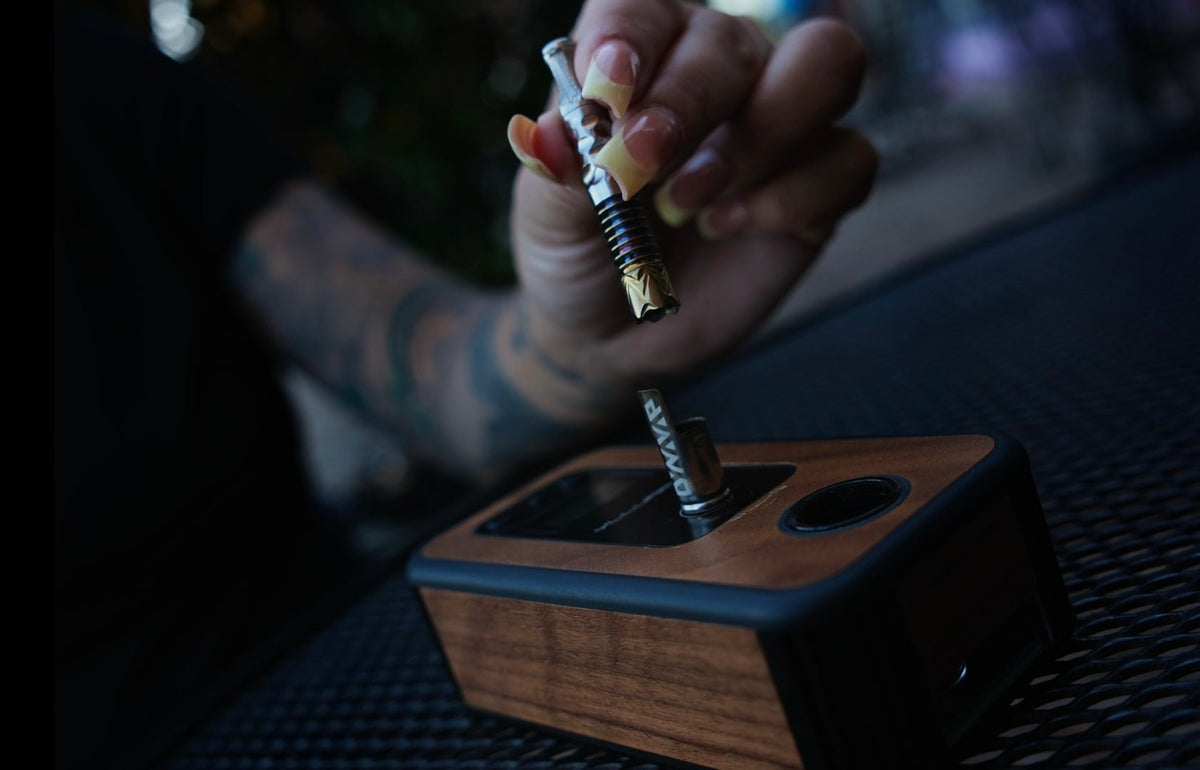
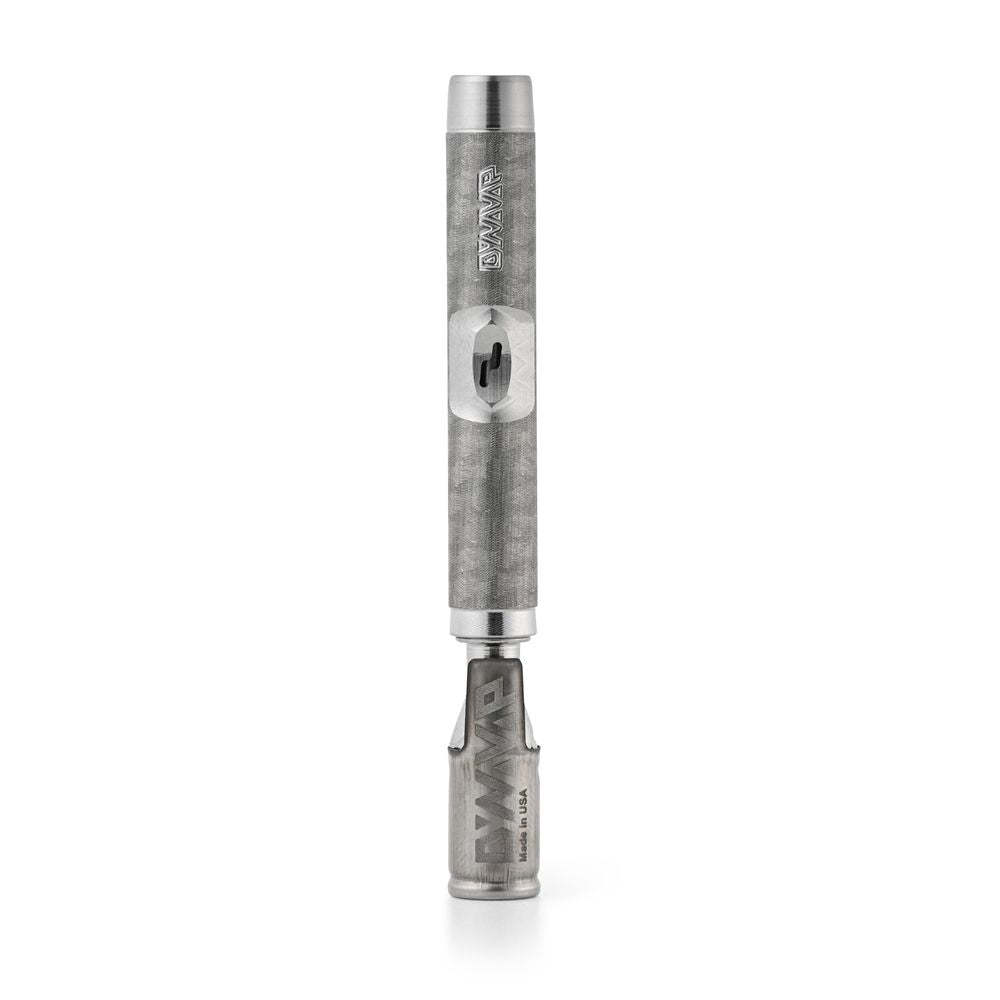
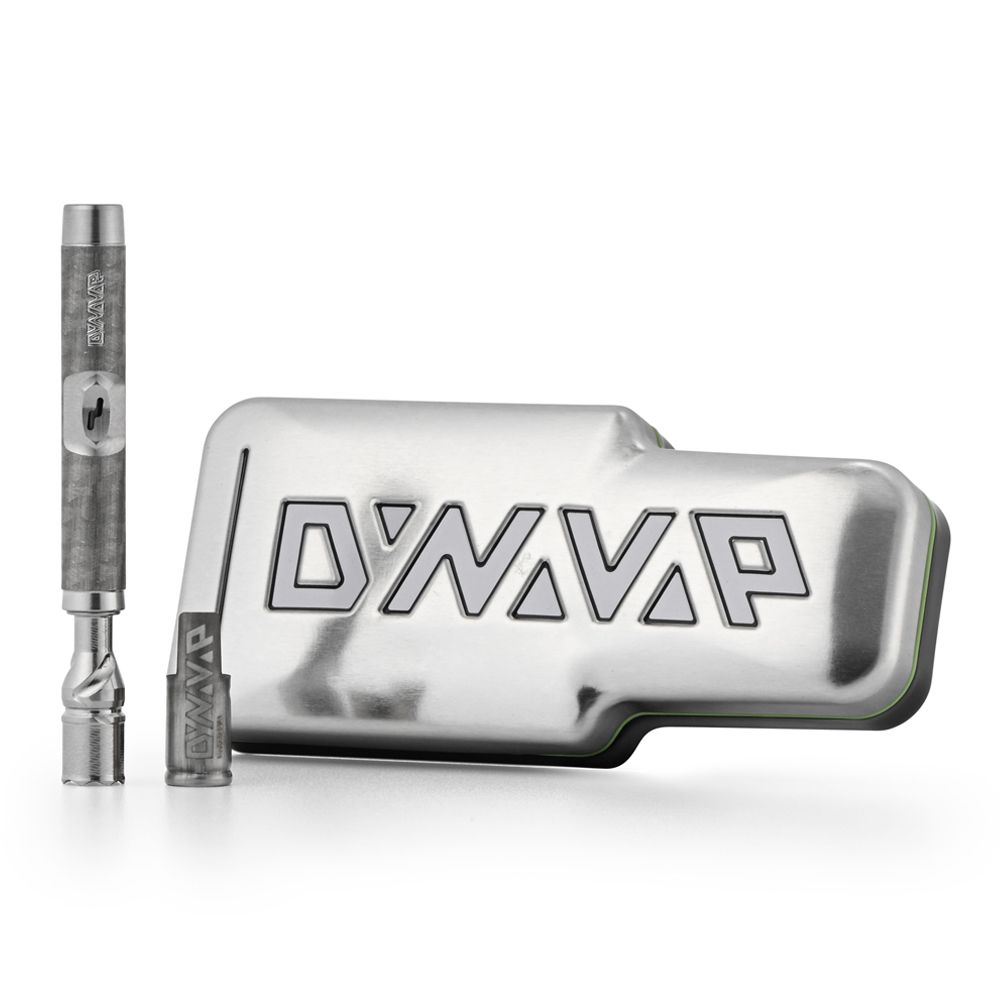
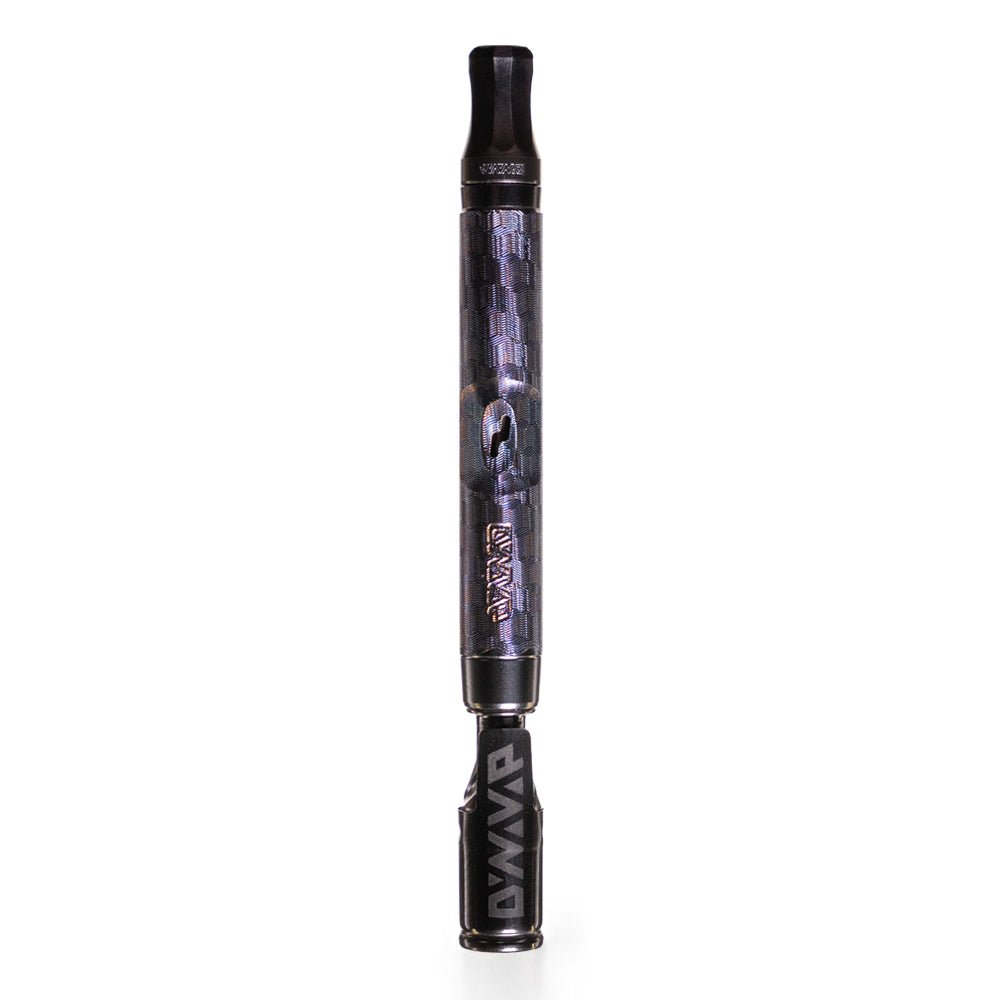
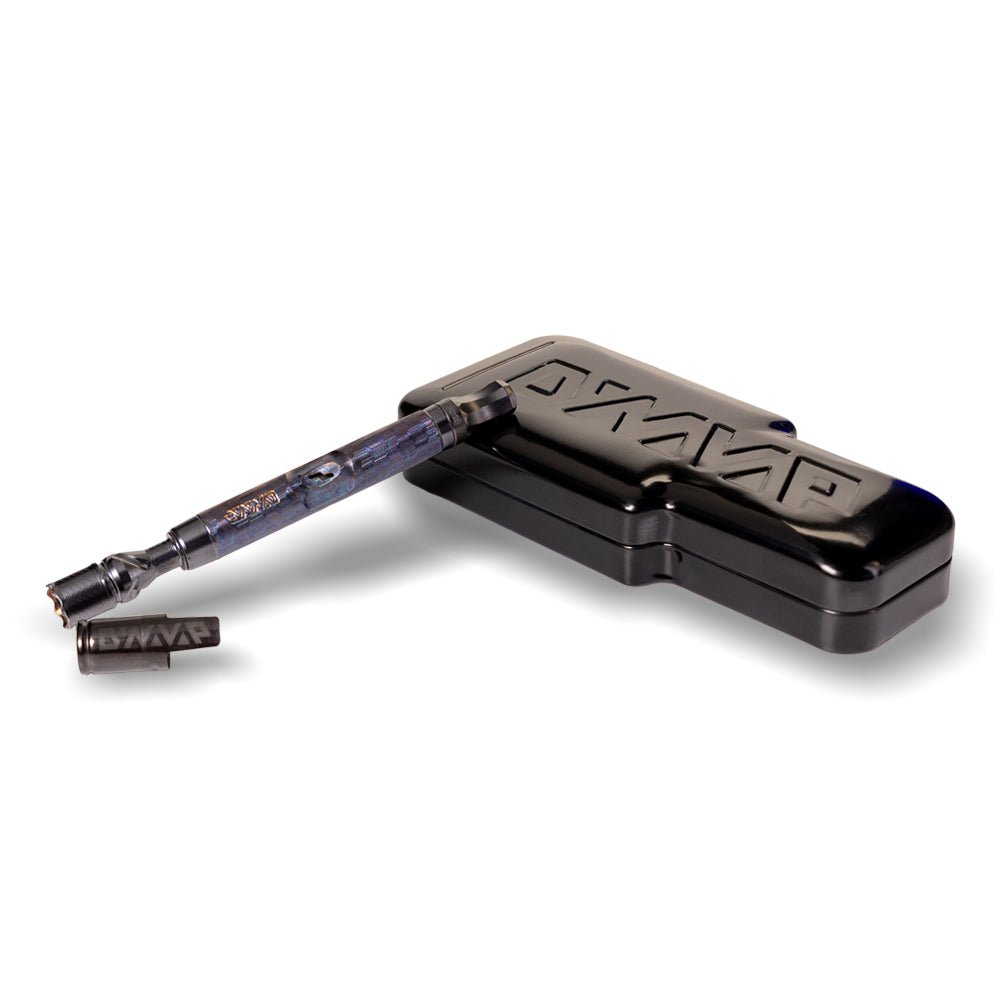
This is our corner of the world. A Thermal Extraction Device (TED) is a battery-free dry herb vaporizer that uses an external heat source, usually Torch Heating or Induction Heating (IH), instead of built-in batteries, chips, or internal heaters.
Manual does not mean primitive. It just means you’re in the driver’s seat. You decide how much heat you apply, where you apply it, and how you draw. Once you get a feel for it, the control is the whole point.
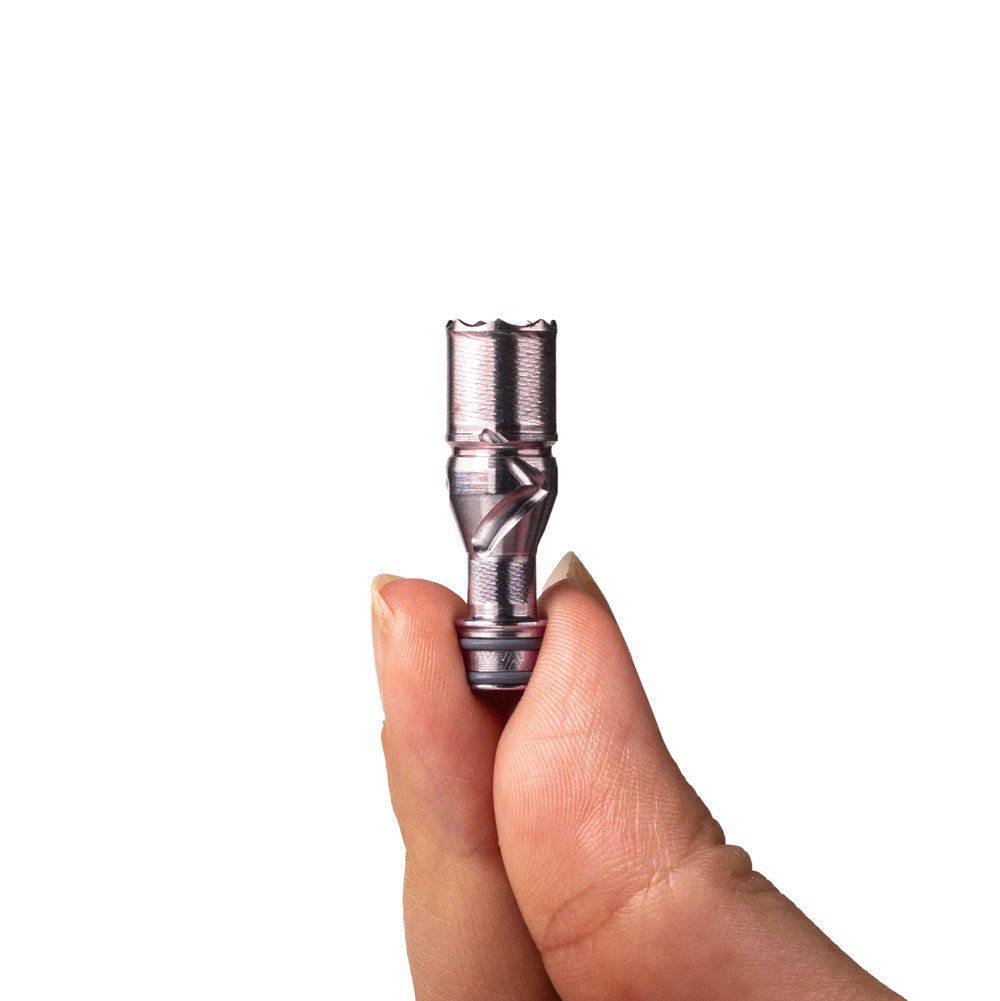
With DynaVap, your feedback is analog and immediate. The Cap clicks when you’re at vaping temperature, then you’ll hear the Cooldown Click when it’s ready for another Heat Cycle. No screens. No guessing what a blinking icon means. Just heat, click, draw, repeat.
If the battery-free angle speaks to you, our Benefits of Battery-Free Vaping guide breaks down why so many people stick with a TED once they try it.
- Best for: durability, portability, control, and a flower-first experience
- What you give up: you need a torch or an IH, plus a bit of practice
- Why people stay: fewer failure points, modular parts, and no charging cycles to babysit
Quick comparison table: matching types of vapes to real life
| Category | Material | Power source | Best for | Main tradeoff |
|---|---|---|---|---|
| Carts | Oil | 510 or pod battery | Fast, discreet use | Variable oil quality and less ingredient control |
| Disposables | Oil | Built-in battery | Low-commitment convenience | Waste and limited control |
| Portable dry herb | Flower | Rechargeable battery | Flower flavor with button operation | Battery aging, cleaning, session pacing |
| Desktop | Flower (often) | Wall power | Home performance and steady temps | No portability |
| Manual / TED | Flower (and some extracts with accessories) | Torch or IH | Long-term value, control, ritual | Technique and carrying a heat source |
How to choose between the types of vapes (without overthinking it)
If you want a quick, honest way to narrow it down, ask yourself these four questions:
- Do you want oil convenience or flower control? Oil is easy. Flower keeps you closer to the material and the experience.
- Where do you actually vape? Home-only leans desktop. Pocket-first leans cart, portable dry herb, or a manual TED.
- Do you like to tinker, or do you want autopilot? Manual devices reward curiosity. Battery devices reward routine.
- Are you buying a gadget or a tool? If you want something you can maintain for years, aim for durable, modular gear.
If you’re leaning battery-free and want to see what fits your style, browse our Shop Vaporizers collection and pick a platform that matches how you like to consume.
FAQ: Types of vapes and what to know before you buy
What are the main types of vapes?
Common categories include concentrate vapes like carts and disposables, dry herb portable vaporizers, desktop vaporizers, and manual battery-free devices like Thermal Extraction Devices.
Are carts and dry herb vaporizers the same thing?
No. Carts vaporize oil concentrates using a battery and a coil. Dry herb vaporizers heat ground flower that you load yourself, which gives you more control over the material.
What does “manual” mean in vaping?
Manual means you apply heat from an external source and you control the heat-up with technique. With DynaVap, the Cap clicks to let you know you’ve hit vaping temperature, then you’ll hear the Cooldown Click when it’s ready for the next Heat Cycle.
Do manual devices work with concentrates?
Some do with the right setup. If you want to explore concentrates with DynaVap, our guide on how to use concentrates in manual vaporizers covers loading, tools, and cleanup.
Conclusion
The best fit across all types of vapes comes down to what you value most: speed and simplicity, flower flavor, or long-term ownership with hands-on control.