

Table of Contents
- What Makes a Thermal Extraction Device Worth It?
- Thermal Extraction Device vs. Battery Vaporizers: Which Wins?
- The Real Cost of a Thermal Extraction Device: A 5-Year Savings Breakdown
- 5 Key Benefits of Battery-Free Vaping You'll Notice Immediately
- How to Use a Thermal Extraction Device: A Beginner's Guide to the Click
- Torch vs. The Best Induction Heaters for Thermal Extraction
- Who Should Skip the Thermal Extraction Device?
- The Verdict: Is It Worth the Hype?
- Frequently Asked Questions
Last Updated: September 4, 2026
What Makes a Thermal Extraction Device Worth It?
Portable vaporizers accounted for 40% of the market share in 2025, valued at $2.50 billion, according to Strategic Market Research's Cannabis Vaporizer Market Report. That growth is driven by a shift away from combustion and toward reusable dry-herb systems. But with so many options on the shelf, the real question is whether a thermal extraction device deserves your money. For most dry herb users, the answer is yes, provided you value efficiency, flavor, and hardware that doesn't quit after a year of use.
A thermal extraction device is a battery-free vaporizer that heats dry herb to the point of vaporization using an external heat source like a butane torch or induction heater. At DynaVap, we've spent years refining this approach, and the core appeal is simple: no electronics to fail, no battery to recharge, and a device built to last a lifetime. This guide breaks down the costs, the learning curve, and the benefits so you can decide if it's the right fit for your routine.

Thermal Extraction vs. Smoking: The Core Difference
The fundamental difference comes down to combustion versus vaporization. Smoking burns your material, producing ash and releasing a host of byproducts you end up inhaling. Vaporization heats the herb just enough to release the active compounds and terpenes without burning the plant matter.
Industry analysis indicates that a battery-free thermal extraction device is considered worth the learning curve specifically for users who prioritize device longevity and long-term reliability, as noted in DynaVap's 2026 guide to dry herb vaporizers. When you stop burning your herb, you also stop wasting it. Most users find they need far less material to achieve the same effect, which is where the real savings start to add up.
Thermal Extraction Device vs. Battery Vaporizers: Which Wins?
Battery vaporizers offer convenience with push-button operation and precise temperature regulation, but they introduce a component that will eventually degrade. Every lithium-ion battery has a lifespan, and when it dies, you are either tethered to a charger or shopping for a replacement unit.
Battery-free devices flip that tradeoff. There is no screen, no circuit board, and no charging port to fail. Your heat source is a simple torch or an induction heater, and induction heaters do use a battery, but the device itself remains free of electronics. That distinction matters for anyone who wants a vaporizer that works a decade from now with the same performance as the day they bought it.
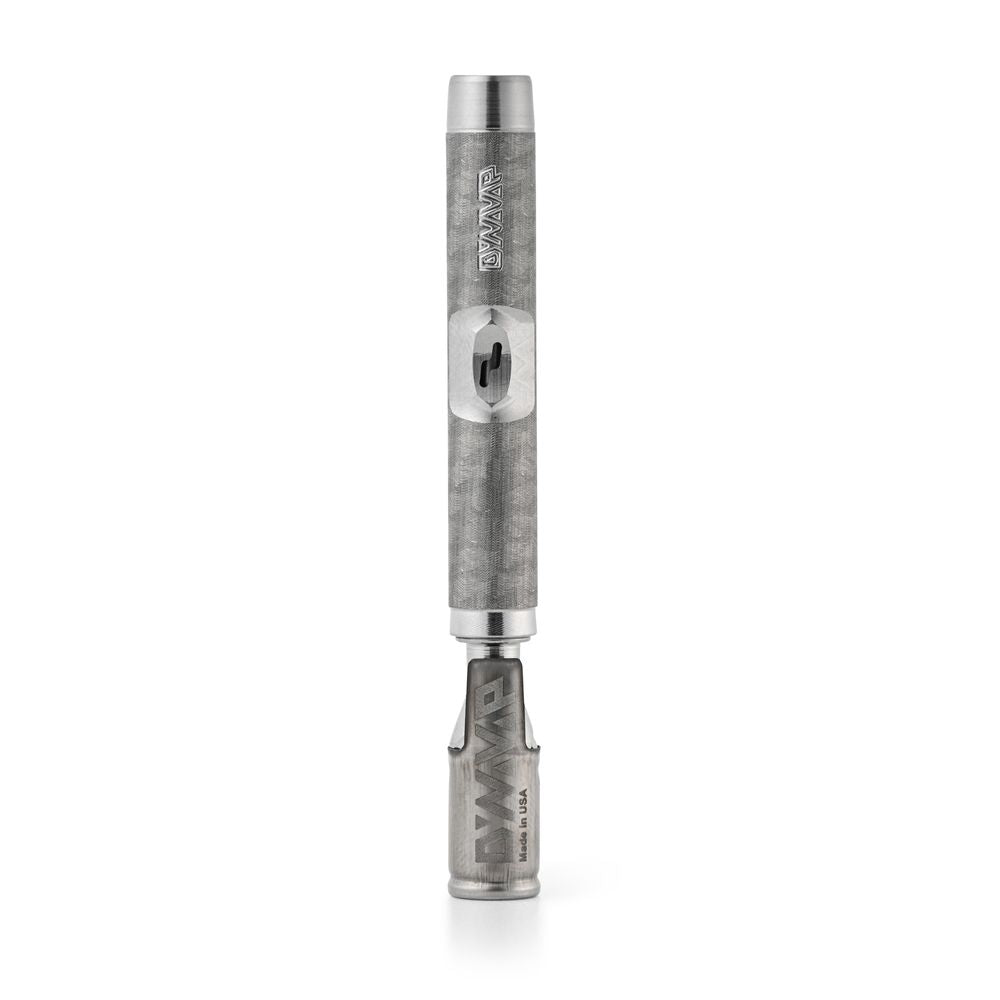
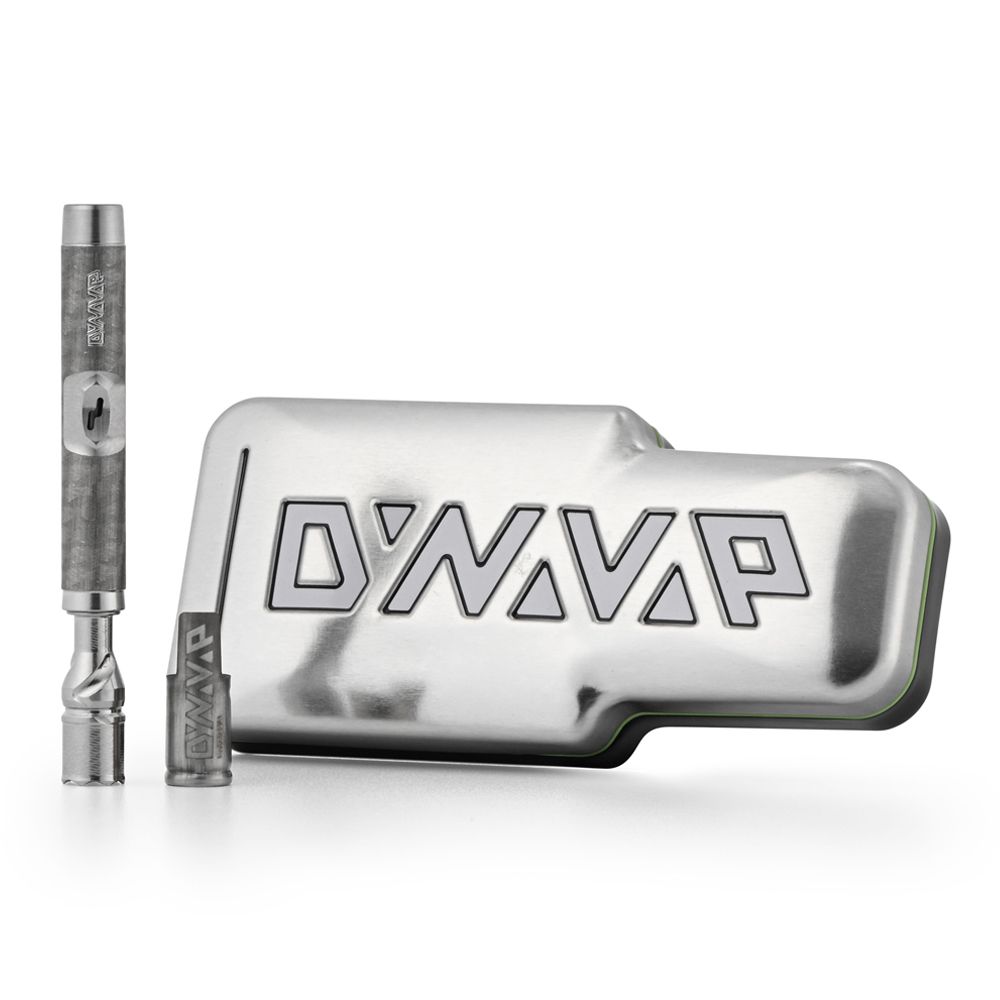
For new customers, the DynaVap M 7 at $89.00 is the sweet spot. It is crafted entirely from stainless steel, delivers powerful one-hit extractions, and includes the Adjust-a-Bowl feature for microdosing. The standard tip holds around 0.1g, which is enough for several sessions when you factor in the efficiency gains.
The Real Cost of a Thermal Extraction Device: A 5-Year Savings Breakdown
The upfront price of a thermal extraction device can look steep compared to a cheap electronic vape. The long-term math tells a different story. DynaVap's documentation shows users can stretch their stash up to 3X compared to traditional combustion methods. But what does that actually mean in dollars and cents? Let's build a simple savings calculator based on your own habits.
How to Calculate Your Personal Savings
The formula is straightforward. First, determine your weekly spend on dry herb. Second, divide that number by the efficiency factor (we'll use 3X, a conservative estimate based on our documentation). The result is your new effective weekly cost. The difference is your weekly savings.
Here's a step-by-step example for a user spending $40 per week:
- Current Weekly Spend: $40
- Adjusted Weekly Spend with Thermal Extraction: $40 ÷ 3 = ~$13.33
- Weekly Savings: $40 - $13.33 = $26.67
- Yearly Savings: $26.67 × 52 weeks = ~$1,387
- 5-Year Savings: $1,387 × 5 = ~$6,935
That $6,935 in savings more than covers the cost of a premium device like the M 7 or even the HyperDyn for those who prefer a larger bowl. The device pays for itself within the first few months of use.
A Detailed Cost Comparison Table
To make the math even clearer, here's a breakdown across different spending levels. This table shows the potential 5-year savings for a light, moderate, and heavy user.
Weekly Herb Spend (Combustion) |
Adjusted Weekly Spend (3X Efficiency) |
Yearly Savings |
5-Year Savings |
|---|---|---|---|
$20 |
~$6.67 |
~$693 |
~$3,467 |
$40 |
~$13.33 |
~$1,387 |
~$6,935 |
$60 |
$20 |
~$2,080 |
~$10,400 |
The Hidden Cost of Cheap Devices
It's also worth factoring in the lifespan of the device itself. A low-cost electronic vaporizer might have a battery that degrades after a year or two, requiring a full replacement. A thermal extraction device, built from stainless steel with no electronics, is designed to last a lifetime. This durability means your initial investment is a one-time cost, not a recurring one. When you compare the total cost of ownership over five years, including the cost of replacing failed electronic devices, the financial advantage of a battery-free system becomes even more pronounced.
5 Key Benefits of Battery-Free Vaping You'll Notice Immediately
The benefits of battery-free vaping show up in the first session. Flavor purity tops the list. Without combustion, you taste the terpene profile of your herb instead of smoke. The flavor is cleaner, more distinct, and closer to what the plant actually offers.
Efficiency follows closely behind. Because you are not burning away active compounds, each bowl delivers more. Users frequently report that a single load in a thermal extraction device produces vapor for multiple heating cycles. The ritual itself is another benefit. Heating the cap until it clicks, inhaling, and repeating creates a hands-on experience that many find more engaging than pressing a button.
Durability rounds out the list. A stainless steel device with no moving parts and no battery is essentially maintenance-free. The one caveat involves the cap. Never soak the cap in any liquid. Clean it with a wipe down only to preserve the clicking mechanism that tells you when to stop heating.
How to Use a Thermal Extraction Device: A Beginner's Guide to the Click
Getting started with a thermal extraction device takes about five minutes of practice. Remove the cap, load your dry herb into the tip chamber, and replace the cap. The standard tip on most devices holds roughly 0.1g, which is a regular size bowl, not a small one.
Heat the cap with your torch or induction heater until it clicks. That click is your signal that the device has reached the optimal extraction temperature. Inhale from the mouthpiece, and when the cap cools, it will click again, telling you the cycle is complete. You can reheat for additional extraction or save the material for later.
The learning curve is real but short. Heat too long past the click and you risk scorching your herb. Heat too briefly and the vapor will be thin. Most users dial in their technique within the first few sessions. The Captive Cap on devices like the M 7 is engineered for consistency, making it easier to find that sweet spot.
Mastering the Technique: A Troubleshooting Guide
Most new users encounter a few common issues in their first week. Here’s a practical guide to overcoming them and getting the most out of your device from the start.
Problem 1: Thin or Wispy Vapor
- Cause: You are likely heating too high on the cap or not heating long enough.
- Solution: Aim your torch's inner blue flame at the base of the cap, not the tip. This delivers heat more directly to the herb. Also, ensure you are heating until you hear the second, louder click, not just the first one.
Problem 2: Scorched or Burnt Taste
- Cause: You are heating too far past the click, or your torch is too close to the cap.
- Solution: Respect the click. As soon as you hear it, stop heating and begin your inhale. Also, keep the tip of the inner flame about half an inch away from the cap. If you're using an induction heater, this is less of an issue, as the heating is more consistent.
Problem 3: Uneven Heating (One Side is Darker)
- Cause: You are not rotating the device while heating.
- Solution: The key is to spin the device slowly and consistently. This ensures the cap is heated evenly from all sides. If you're using a torch, practice a steady rolling motion between your thumb and forefinger.
The Two-Click System: A Quick Reference
The cap is designed with a clicking mechanism for a reason. Here’s what to listen for:
- The First Click: This is a notification click, signaling that you are now at the optimal vaporization temperature.
- The Second Click: This is the cooldown click. It means the device is ready to be heated up again.
Caring for Your Cap
A quick note on maintenance: the cap is the brain of the device, and it requires minimal care. Never soak the cap in any liquid. Clean it with a wipe down only to preserve the clicking mechanism that tells you when to stop heating. A clean cap ensures consistent performance and a long lifespan.
Torch vs. The Best Induction Heaters for Thermal Extraction
Your heat source choice shapes the experience. A butane torch is the classic approach. It is cheap, portable, and works anywhere. The downside is the flame is visible, which some users find less discreet. Torches also require refills and a steady hand for consistent results.
Induction heaters offer a different experience. They heat the cap using an electromagnetic field, which means no flame and more consistent heating across the cap. The tradeoff is that induction heaters do use a battery or require a power outlet, which adds bulk and cost. For home use, an induction heater is a luxury worth considering. For travel, a torch is hard to beat.
Who Should Skip the Thermal Extraction Device?
A thermal extraction device is not for everyone. If you want a device that you load, switch on, and use without any thought, a battery-powered vaporizer will serve you better. The manual heating process requires attention and a willingness to learn.
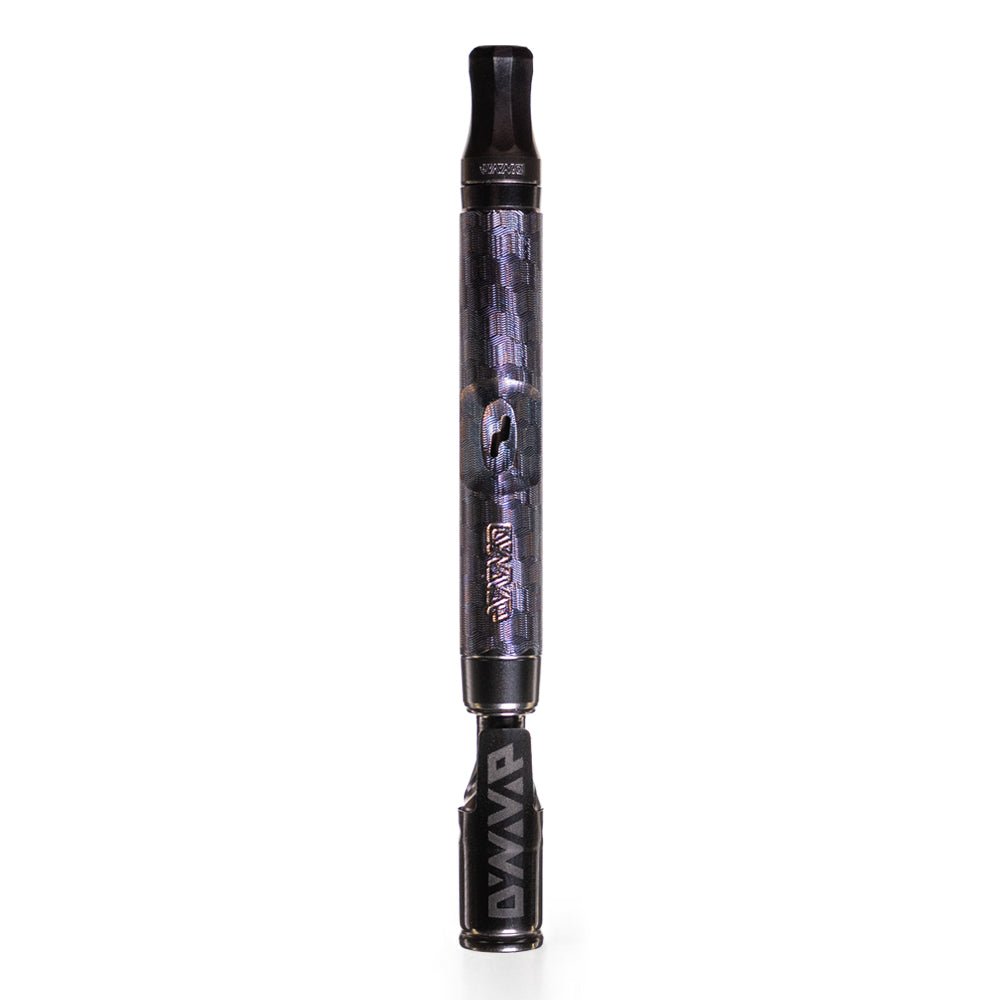
Those who prefer massive, session-style bowls may find the standard 0.1g tip limiting. For that use case, the HyperDyn with its larger chamber (0.25g) and 10mm and 14mm taper for water piece use is the better fit. It is designed for connoisseurs who want a longer session without reloading.

The Verdict: Is It Worth the Hype?
The market data supports the shift. The global cannabis vaporizer market is projected to grow from $7.6 billion in 2026 to $13.1 billion by 2030, according to Grand View Research's Cannabis Vaporizer Market Report. That growth is fueled by users who want the benefits of vaporization without the hassle of batteries and electronics.
For the right user, a thermal extraction device is absolutely worth it. You get better flavor, you use less material, and you own a device that will outlast any electronic competitor. The learning curve is minor, the savings are substantial, and the experience is more connected to the ritual of preparation and enjoyment.
If you are new to thermal extraction, start with the M 7. It offers the full DynaVap experience at an accessible price point with room to grow. If you are a returning customer looking for a bigger bowl, the HyperDyn delivers a session-style experience that pairs perfectly with a water piece.
Frequently Asked Questions
Is a thermal extraction device better than combustion?
For most users, yes. A thermal extraction device heats dry herb to the point of vaporization without burning it, which means you avoid the harsh byproducts of smoke. Users report that the flavor is cleaner and more distinct because you are tasting the material's natural profile, not ash. Plus, because you are not destroying the material with fire, you get more use out of the same amount of herb, which is a major reason many find the switch worth it.
How much money can I save with a thermal extraction device?
The savings come from efficiency. DynaVap states that users can stretch their stash up to 3X compared to traditional smoking. If you spend $100 per month on dry herb, stretching it 3X means that same $100 could last three months, effectively saving around $66 per month. Over a year, that is over $800 in savings, which quickly offsets the initial cost of a device like the M 7.
Is it difficult to learn how to use a thermal extraction device?
There is a brief learning curve, but it is short. The key is listening for the 'click' from the cap, which signals the device is ready. You heat the cap with a torch or induction heater until it clicks, then inhale. Most users master the technique within a few sessions. Unlike a battery device, you control the heat, so the experience is more hands-on and ritualistic, which many users find rewarding.
What are the benefits of battery-free vaping?
Battery-free vaping offers several distinct advantages. The device has no electronics to fail, making it virtually indestructible and reliable for years. It is also fully portable since you only need a heat source like a butane torch, not a charging cable. Many users also prefer the analog, manual control it provides, allowing for a more personalized session compared to preset temperature settings on electronic vapes.
Do I need an induction heater, or is a torch fine?
A torch is all you need to get started, and it is what most users begin with. An induction heater is a worthwhile upgrade if you want more consistency and convenience, especially indoors. It heats the cap evenly and quickly without a visible flame. Just note that induction heaters do use a battery, so they need charging, which slightly reduces the 'battery-free' portability of the core device.