

Table of Contents
- Why Use a Manual Vaporizer for Concentrates?
- What You'll Need: The DynaCoil and Other Essentials
- Step-by-Step: How to Use Concentrates in Manual Vaporizers
- Using the Concentrate Sandwich Method
- Induction Heater vs Torch for Concentrates
- Cleaning Your Manual Vaporizer After Concentrates
- Common Mistakes and How to Avoid Them
- Conclusion: Finding Your Ideal Concentrate Setup
- Frequently Asked Questions
Last Updated: September 8, 2026
Manual vaporizers are battery-free devices that use a torch or induction heater to extract vapor from dry herb or concentrates. If you want to know how to use concentrates in manual vaporizers, the process centers on a small accessory called a DynaCoil, which adapts a standard dry herb chamber for waxes, shatters, and oils. This guide walks through the loading, heating, and cleaning steps.

Concentrates are refined to be more potent than dry herb, making them a popular choice for users seeking efficiency (EXTERNAL_LINK: Comparison of herbal vs. concentrate vaporizers | tothecloudvapestore.com). The challenge is that most portable devices built for flower simply aren't designed to handle sticky extracts. Industry experts advise against using concentrates in standard dry herb chambers, as the melting material can cause permanent damage and residue buildup (EXTERNAL_LINK: AirVape USA's 2026 buyer's guide | airvapeusa.com). Below, we'll show you exactly how to do it the right way.
Why Use a Manual Vaporizer for Concentrates?
Manual vaporizers offer a level of control and durability that battery-powered pens often can't match. Since there are no electronics to fail, a quality manual device is built to last a lifetime. The learning curve is real, but the payoff is efficiency. A common mistake is assuming any vaporizer can handle both flower and wax, which leads to clogged chambers and wasted product. Dedicated hardware, like the DynaCoil, solves this by providing a proper surface for the concentrate to vaporize on.
What You'll Need: The DynaCoil and Other Essentials
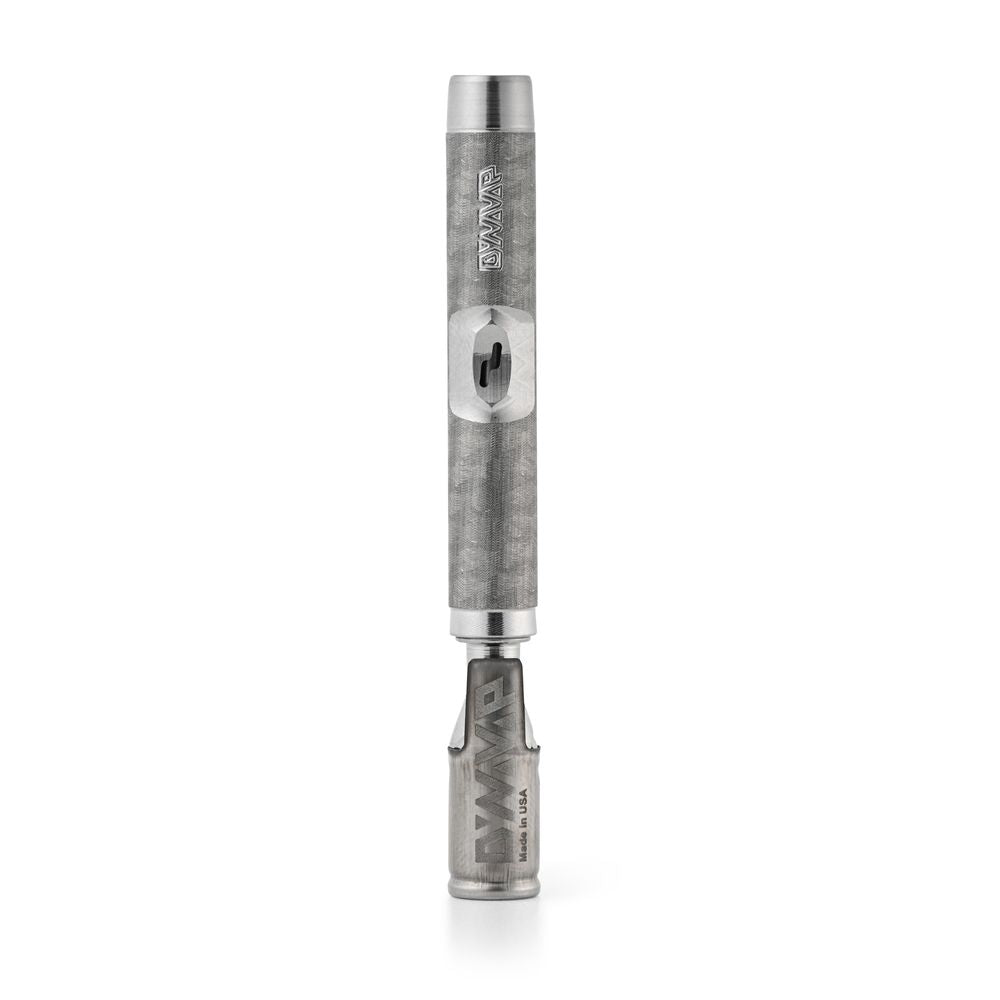
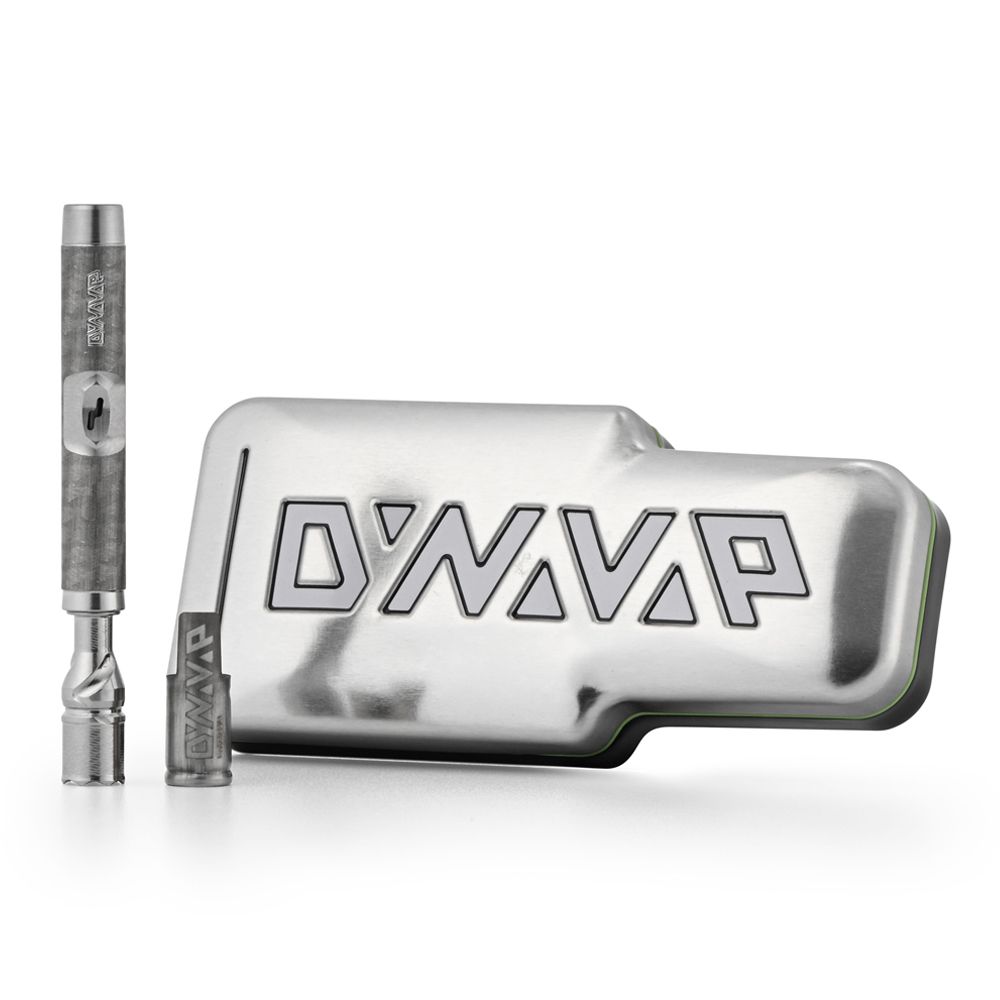
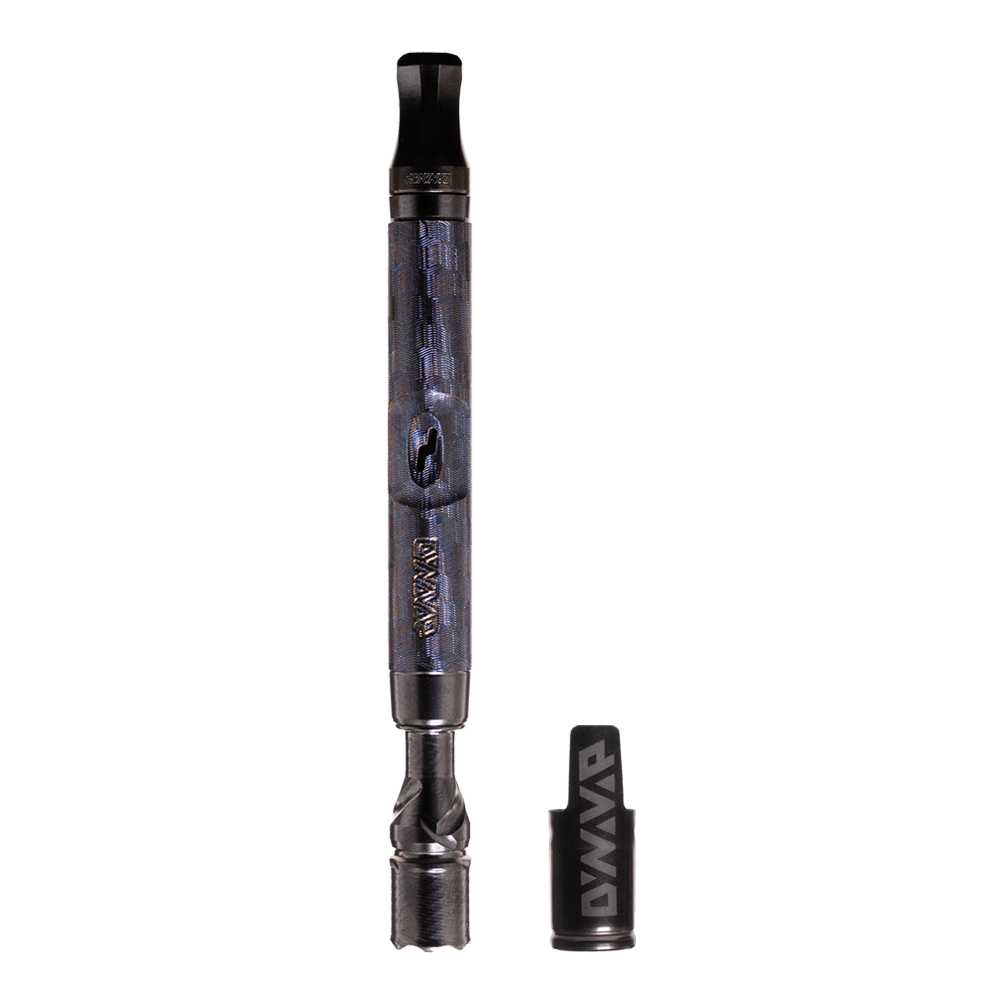
To use concentrates in manual vaporizers, you need the right gear. At the heart of a DynaVap setup is the DynaCoil, a precision-engineered adapter made from one continuous piece of medical-grade titanium. This small part turns a standard dry herb vaporizer into a dedicated concentrate machine.
Here is the full list of essentials:
- A DynaVap device (the M7 or M7 XL are excellent starting points)
- A DynaCoil accessory
- A butane torch or an induction heater
- A dab tool or the container the concentrate came in
- Your chosen concentrate (wax, shatter, budder, or live resin)
The DynaCoil is compatible with all standard DynaVap Tips. To install it, simply remove the CCD screen in your Tip and push the DynaCoil into the chamber until it sits flush. It is that simple.
Step-by-Step: How to Use Concentrates in Manual Vaporizers
Using a manual vaporizer for concentrates follows a simple three-step rhythm: prepare, load, and heat.
Step 1: Prepare Your Device
Start by ensuring your DynaVap is clean and dry. Remove the Cap and check that the DynaCoil is properly seated in the Tip, after having removed the CCD. If you are switching from a dry herb session, make sure the chamber is empty and free of any plant material residue.
Step 2: Load the Concentrate
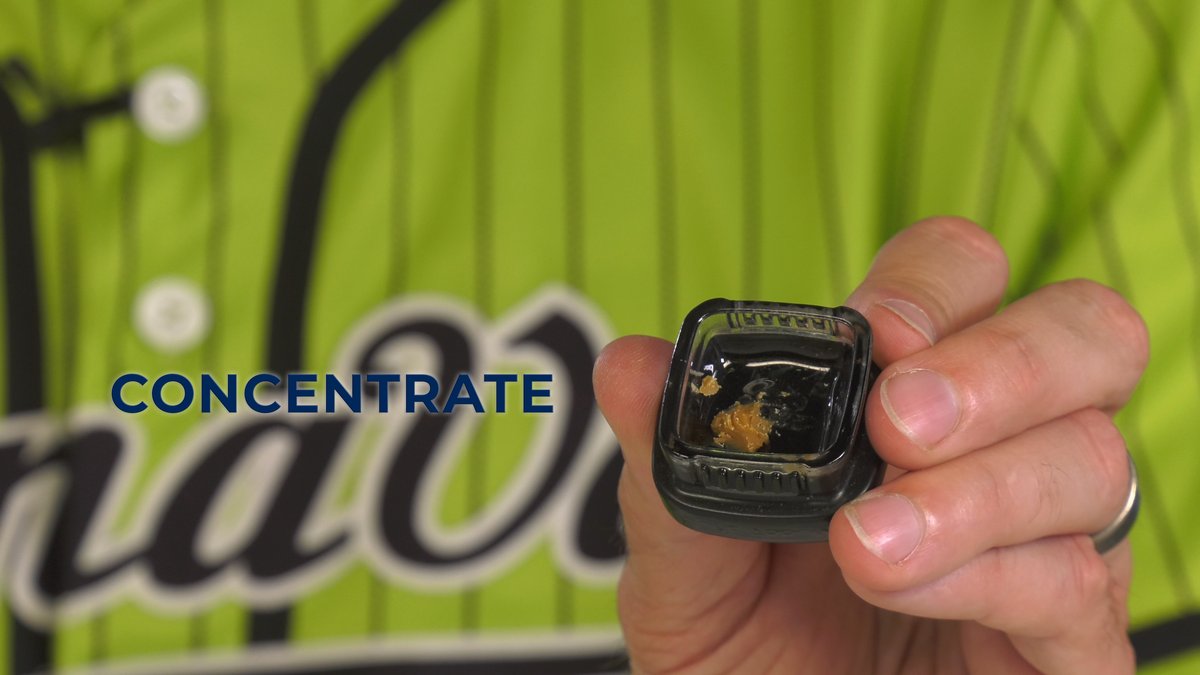
This step is where most beginners overdo it. Current guidance recommends loading only a "grain of rice" sized amount of concentrate to ensure efficiency and prevent clogging. Use a dab tool or the digger outer of the Cap to place the concentrate directly onto the top of the DynaCoil. The coil's structure holds the material in place as it heats, preventing mess and maximizing vaporization.
Step 3: Heat and Inhale
Replace the Cap on the device. Using a torch, apply heat to the middle of the Cap, rotating the device slowly to ensure even heating. When the Cap reaches the optimal vaporization temperature, it emits a distinct "click." Stop heating immediately and inhale from the mouthpiece. When you hear the cool-down click, your session is done or ready for another heat cycle.
Using the Concentrate Sandwich Method
If you don't have a DynaCoil yet, the sandwich method is a practical alternative for using concentrates in manual vaporizers. This technique involves layering your concentrate between two beds of dry herb, preventing the sticky extract from dripping into the heating chamber.
Community consensus suggests that placing a tiny amount of concentrate on top of a dry herb bowl prevents mess and improves vaporization efficiency (reddit.com). Here is how to do it:
- Pack a small, loose layer of dry herb at the bottom of the chamber.
- Place your "grain of rice" sized concentrate in the center.
- Cover the concentrate with another layer of dry herb.
- Heat and inhale as you normally would.
The surrounding herb absorbs the melting concentrate, ensuring nothing drips into the Tip. This method is best for occasional concentrate use, while the DynaCoil remains the superior choice for dedicated extract sessions.
Induction Heater vs Torch for Concentrates
When heating a manual vaporizer, you have two main options: a butane torch or an induction heater. A torch is portable, inexpensive, and requires no charging, making it ideal for outdoor use. The trade-off is the learning curve required to heat evenly without scorching.
Induction heaters use an electromagnetic field to heat the Cap evenly and quickly, removing most of the guesswork. The key caveat is that induction heaters do use a battery, meaning they require charging and are less practical for extended trips away from power.
Heating Method |
Power Source |
Best For |
Key Trade-off |
|---|---|---|---|
Torch |
Butane |
Travel, outdoor use |
Requires technique |
Induction Heater |
Battery |
Indoor consistency |
Needs charging |
For new users, starting with a torch is the most budget-friendly way to learn. As you refine your technique, an induction heater can be a worthwhile upgrade for a more consistent session.
Cleaning Your Manual Vaporizer After Concentrates
Cleaning a manual vaporizer after concentrates is a non-negotiable step to preserve flavor and device function. Concentrates leave behind a sticky residue that, if left to build up, can restrict airflow and affect performance.
Cleaning Frequency Based on Usage Volume
Here is a practical maintenance timeline based on how frequently you run concentrates through your device:
Usage Pattern |
DynaCoil Maintenance |
Tip and Condenser Maintenance |
Cap Care |
|---|---|---|---|
Daily user (multiple sessions) |
Clean every 3-4 days |
Deep clean weekly |
Wipe down after every session |
Occasional user (weekends only) |
Clean once a week |
Deep clean every 2 weeks |
Wipe down after every session |
Rare user (monthly or less) |
Clean after each use |
Deep clean monthly |
Wipe down after every session |
A common pattern among experienced users is to keep a small jar of isopropyl alcohol with a tight-sealing lid dedicated to soaking the DynaCoil. Drop the coil in after your session, and the residue dissolves without any scrubbing.
The Right Way to Clean Each Component
The DynaCoil: Remove it from the Tip and soak it in isopropyl alcohol for 10-15 minutes. For stubborn buildup, use a stiff brush (like a pipe cleaner) to gently work the residue loose. Rinse with warm water and let it air dry completely before reinstalling.
The Tip and Condenser: Wipe the inside of the Tip with a cotton swab dipped in alcohol. For the condenser, run a pipe cleaner through it until it comes out clean. A dark, crusty ring near the top of the Tip is a sign you are loading too much concentrate or heating too aggressively.
The Cap: This is the one component that requires special handling. Never soak the Cap in any liquid, as this can damage the internal click mechanism. Clean the Cap with a dry wipe down only, ensuring no moisture gets inside.
Troubleshooting Residue by Concentrate Texture
Different concentrate textures leave behind different types of residue, and knowing what you are dealing with makes cleaning easier:
- Shatter: Because it is glass-like and brittle, shatter tends to leave a thin, even film that dissolves quickly in alcohol. If you are struggling to load it, warm it slightly with your fingers until it becomes pliable.
- Budder and wax: These softer textures can leave a thicker, more adhesive residue that clings to the coil. A slightly longer soak (15-20 minutes) usually handles it. If your budder is too sticky to handle, chill it briefly in the refrigerator to make it manageable.
- Live resin: This tends to be saucier and can creep into the lower portions of the chamber. Pay extra attention to the base of the Tip when cleaning, and consider using a slightly smaller load to prevent runoff.
Signs Your Device Needs Immediate Attention
You do not have to wait for a scheduled cleaning if you notice any of these warning signs:
- Reduced airflow: If pulling feels restricted, residue is likely building up in the condenser or Tip.
- Off flavors: A burnt or bitter taste that persists after a fresh load indicates old residue is being re-vaporized.
- Longer heat-up times: If the Cap takes noticeably longer to click, residue on the Tip may be insulating it from the heat source.
Regular cleaning, especially after heavy concentrate use, keeps your vaporizer tasting fresh and working reliably.
Common Mistakes and How to Avoid Them
Understanding these common pitfalls is the key to getting the most out of your concentrates in manual vaporizers.
The Overload Problem: Why Less Is More
Overloading the coil is the most frequent mistake. Using too much concentrate leads to bubbling, mess, and wasted product. Stick to the "grain of rice" rule, but note that the texture of your concentrate changes how much you should load.
- For shatter: A piece about the size of a grain of rice is ideal. Because it melts slowly, you can get multiple heat cycles from a single load.
- For budder and wax: These are softer and vaporize faster. Use a slightly smaller amount, closer to half a grain of rice, to avoid overwhelming the coil.
- For live resin: The saucy consistency means it can seep into the chamber quickly. Load it right before heating, and do not let it sit in the device between sessions.
The Click Is Not a Suggestion
Ignoring the click is the fastest way to ruin a session. Heating past the click can cause combustion or a burnt taste. The click is your device telling you the optimal temperature has been reached. Respect it.
The first click on a fresh load may come sooner than you expect, especially if the DynaCoil is still warm from a previous session. Let the device cool down completely between heat cycles. If you are using an induction heater, note that it heats faster than a torch, so the click will arrive more quickly. Do not walk away while heating.
Texture-Specific Troubleshooting
Using the wrong texture handling technique can cause a failed session:
- Shatter that is too hard: It can be difficult to break off a piece without shattering it into fragments that fall past the coil. Warm it slightly with your fingers or hold it near the heat source for a second or two until it becomes pliable enough to pinch off.
- Budder that is too sticky: It clings to your dab tool and ends up everywhere except the coil. Chill it briefly in the refrigerator for 5-10 minutes. It will firm up enough to handle cleanly.
- Live resin that is too runny: Use a narrow dab tool to place it precisely on the center of the coil. If it starts to drip, you are loading too much or waiting too long before heating.
The Cleanup You Cannot Skip
Skipping the cleanup leaves residue on the DynaCoil or in the Tip, which ruins the flavor of your next session. Old residue from a previous concentrate can also mix with a new, different strain, creating a muddled flavor profile.
Make cleaning a habit, not an afterthought. If you use concentrates daily, keep a small jar of isopropyl alcohol dedicated to soaking the DynaCoil between sessions. If you use concentrates occasionally, clean the device immediately after each use while the residue is still fresh.
The Heating Technique Nobody Mentions
Heating too aggressively is a subtle mistake that degrades your experience over time. When you apply heat too quickly or hold the flame too close, you can create hot spots that vaporize the concentrate unevenly, resulting in a harsh first hit followed by weak subsequent pulls. A better approach is to let the concentrate warm gradually. Start by heating the lower portion of the Cap, then rotate to the middle as you approach the click.
When Things Go Wrong: Quick Fixes
If you do hit a snag, here are quick fixes for common issues:
- Bubbling or spitting: Stop heating immediately and let the device cool. You likely overloaded the coil. Wipe the mouthpiece and continue with a smaller load.
- Weak vapor production: If the click comes too quickly and produces thin vapor, the DynaCoil may be packed too tightly or the concentrate may have seeped below the coil. Check the chamber and reload.
- Burnt taste: This usually means you heated past the click or old residue is burning. Clean the device thoroughly and start fresh. Choosing a manual device that heats precisely helps you avoid the harsh byproducts associated with overheating. By understanding these texture-specific nuances and heating techniques, you can sidestep the frustrations that drive many beginners back to less efficient methods.
Conclusion: Finding Your Ideal Concentrate Setup
Mastering how to use concentrates in manual vaporizers opens up a more potent and flavorful way to enjoy your extracts. Whether you choose the dedicated precision of a DynaCoil or the simplicity of the sandwich method, the key is respecting the device's design and cleaning it regularly. The market for vaporizers is growing as consumers shift toward smoke-free options, and manual devices remain a durable, battery-free choice.
If you are ready to explore concentrates with a device built to last, DynaVap offers the perfect starting point. Pair an M7 with a DynaCoil to get started, or look at the VonG series if you prefer water pipe compatibility. Get started with DynaVap and find your ideal concentrate setup today.
Frequently Asked Questions
Can you put concentrates in a manual dry herb vaporizer?
Yes, but you need the right setup. Placing concentrates directly on the standard screen of a manual dry herb vaporizer will cause them to melt and make a mess. To use concentrates in manual vaporizers effectively, you need a specialized accessory like the DynaCoil, which sits in the tip and holds the concentrate in place, or you can use the sandwich method with dry herb.
How much concentrate should I use in a manual vaporizer?
Start with a piece about the size of a grain of rice. This amount is efficient and helps prevent clogging or burnt hits. Using too much concentrate can overwhelm the heating chamber and lead to waste. You can always add more after a few puffs if you want a stronger effect.
Is it better to use an induction heater or a torch for concentrates?
Both work well, but they offer different experiences. A torch is battery-free, portable, and gives you direct control over the heating process. An induction heater uses a battery, but it provides a consistent, hands-free heating experience that many find easier to master, especially with concentrates. For concentrates, the consistent heating of an induction heater can reduce the risk of overheating.
How do I clean my device after using concentrates?
After using concentrates in a manual vaporizer with a DynaCoil, let the device cool down. Remove the DynaCoil and place it in a small jar of isopropyl alcohol. For the rest of the device, disassemble it and soak the metal parts in isopropyl alcohol. Never soak the Cap; just wipe it down with an alcohol-dampened cloth.