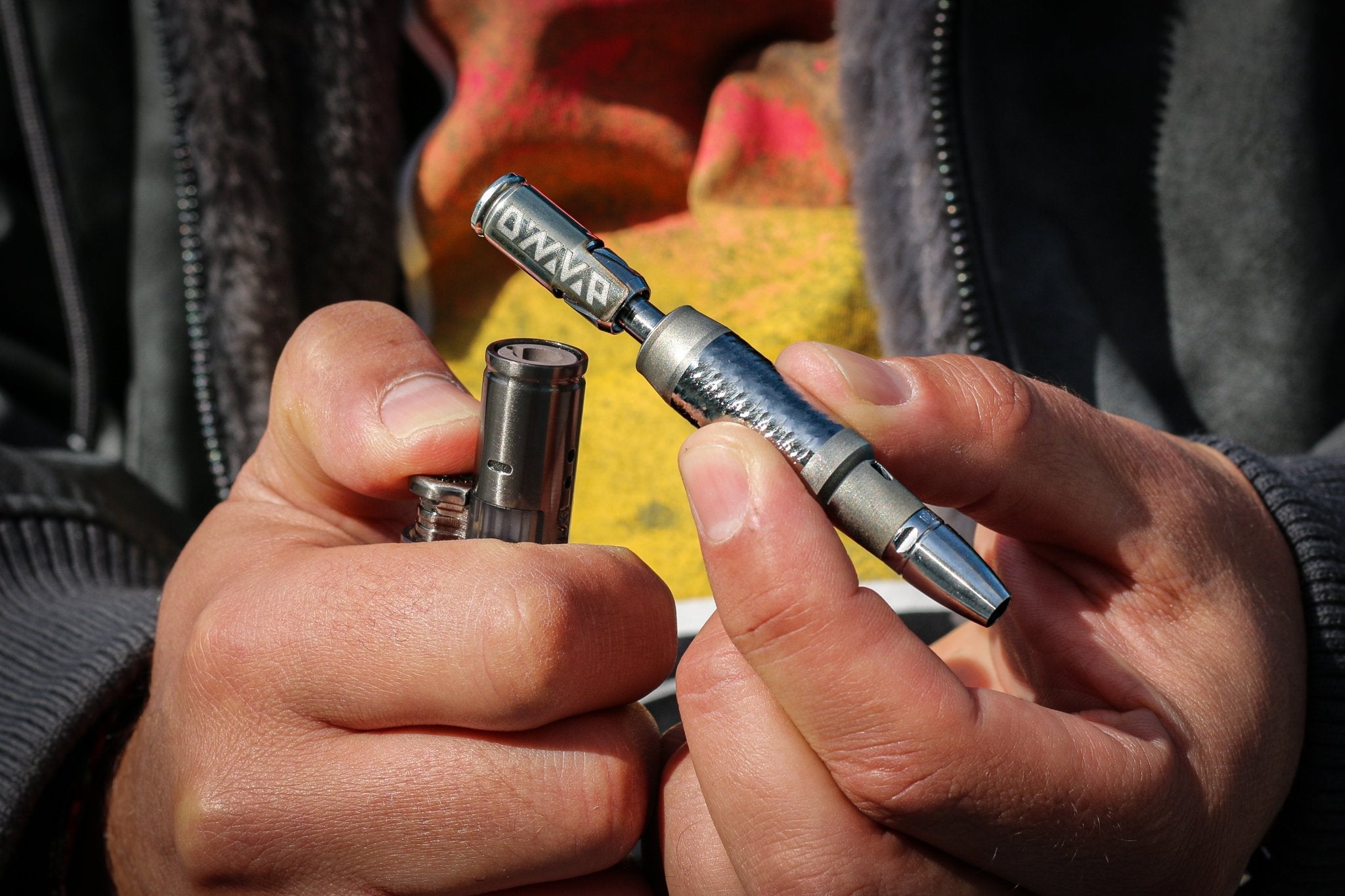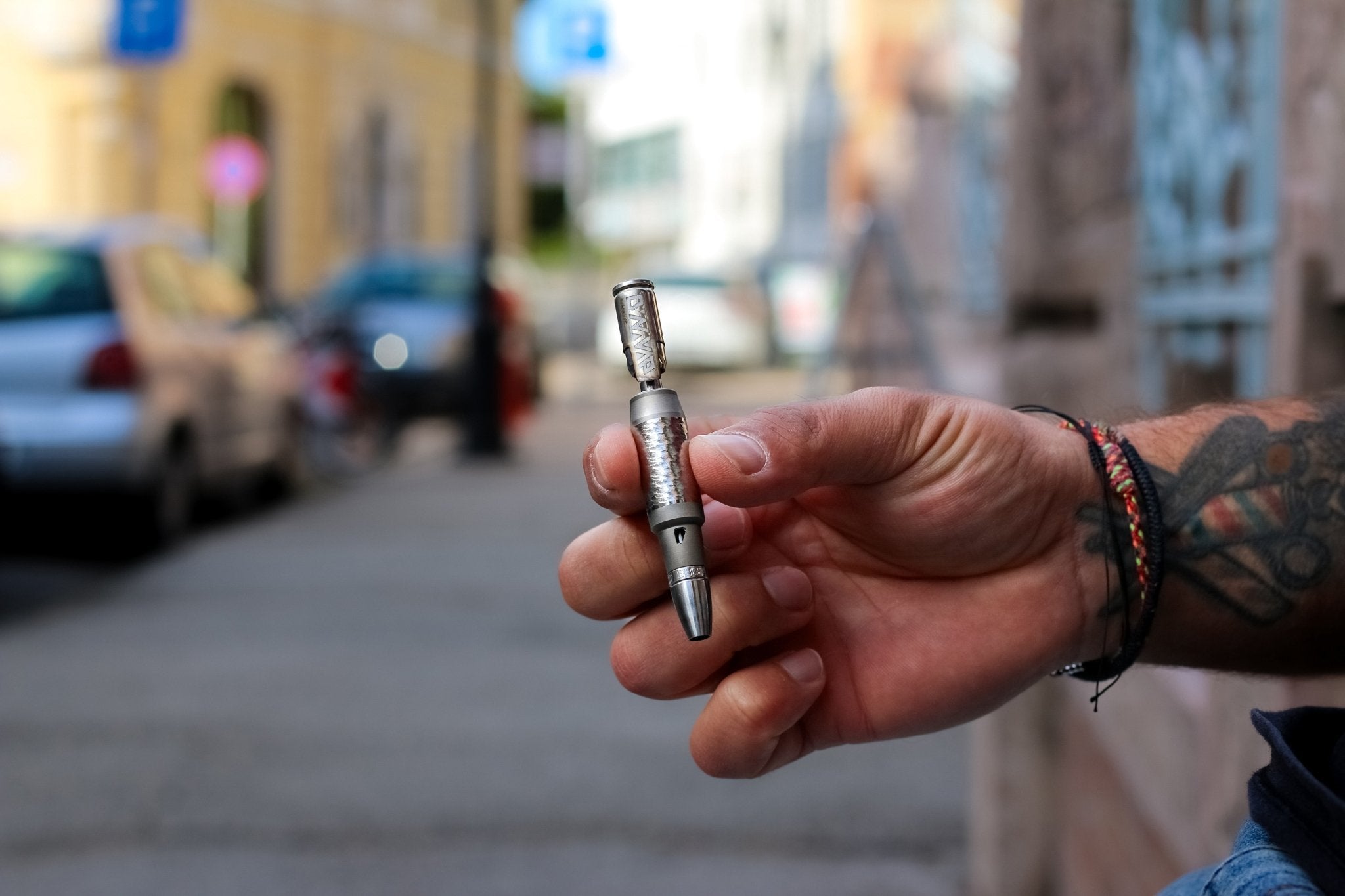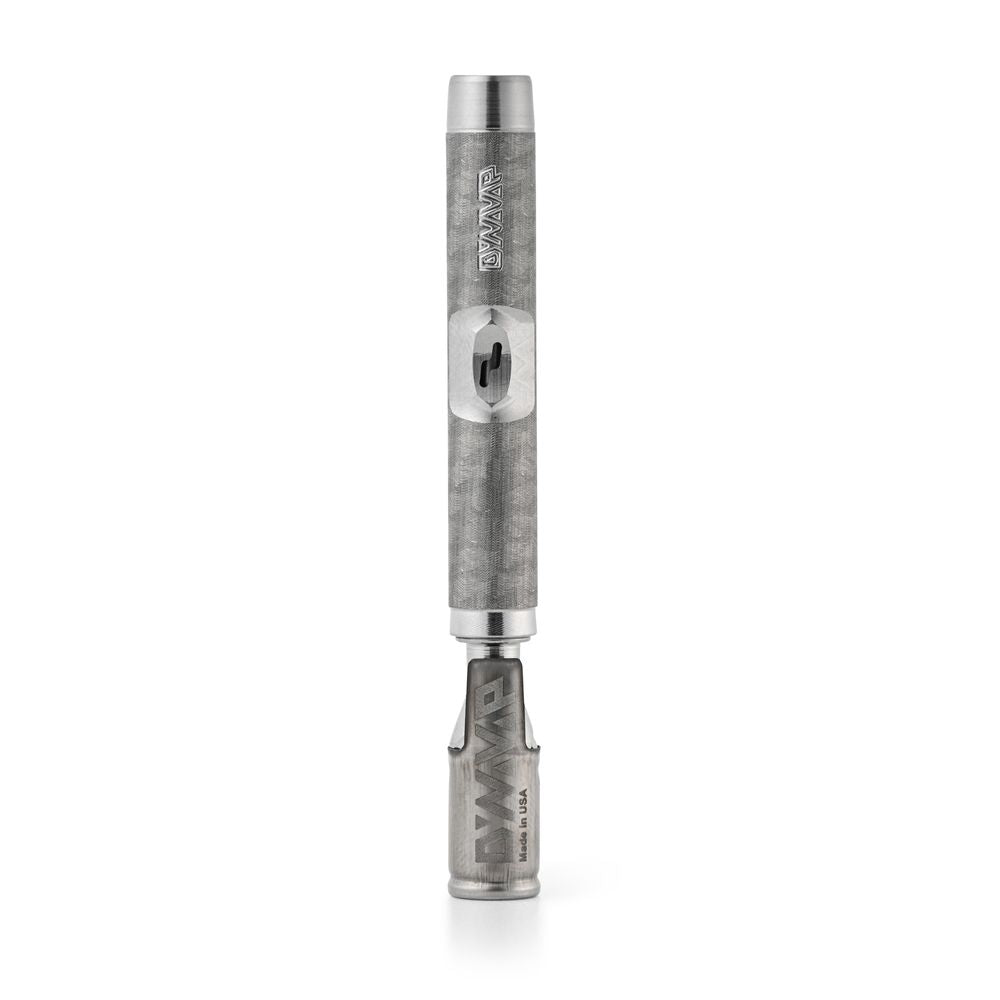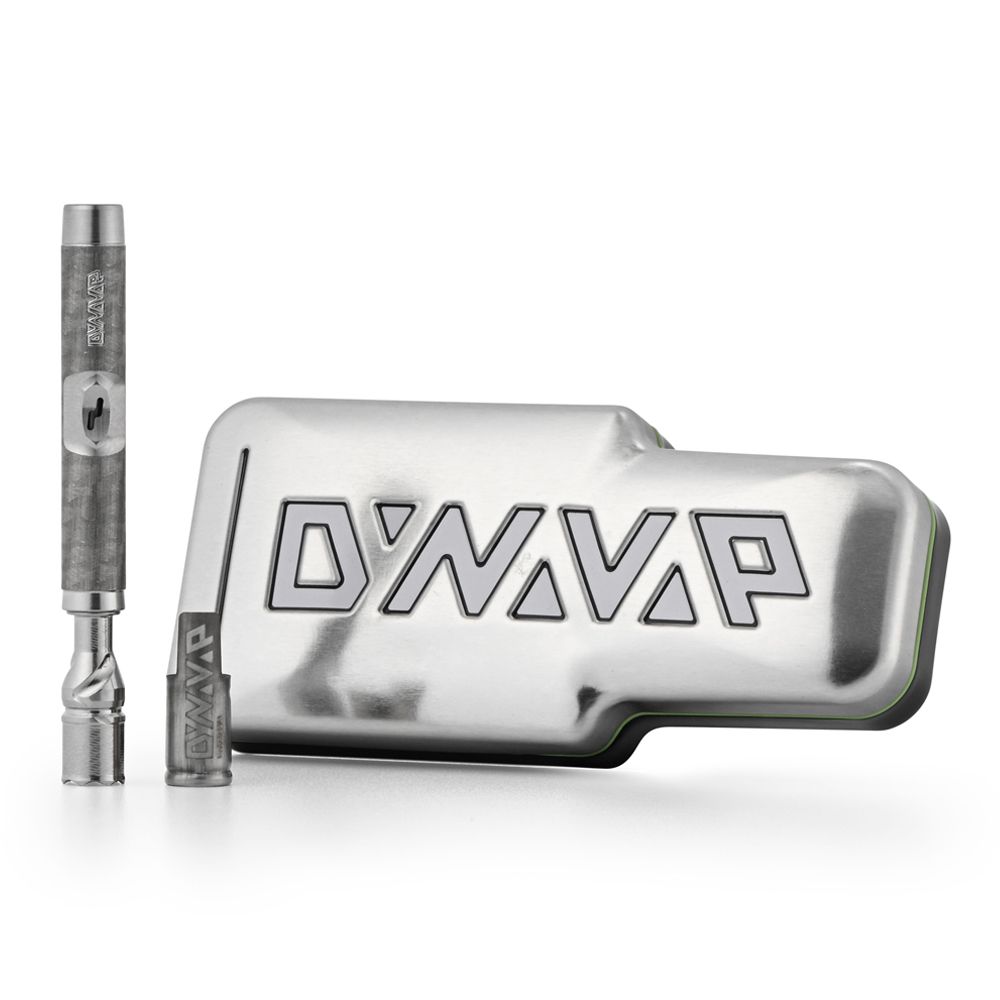


The world of dry herb vaporization is split by a central question: flame-powered vs battery-powered dry herb vaporizers. At DynaVap, we've built our reputation around tools that let you choose your experience, from the click of our Cap to the satisfying feel of a device engineered for your hand. If you’re exploring what matters most in your sessions - control, durability, ritual, or digital ease - read on. This isn’t just about charging cables or torch lighters, it’s all about finding the setup that fits your rhythm.
Flame-Powered vs Battery-Powered Dry Herb Vaporizers: What Sets Them Apart?
Two main styles lead the pack. You'll find some favor the analog feel of a flame-powered vaporizer - more precisely, a Thermal Extraction Device (TED) - while others enjoy the "set it and forget it" precision of a battery-powered dry herb vaporizer. Flame-powered devices like those here at DynaVap use an external heat source, either a torch or induction heater, letting you call the shots with every session. Many battery-based models, in contrast, offer push-button startup, digital displays, and temperature controls. For an in-depth look at their differences, VapeFully’s guide breaks it down neatly. Manual means no battery anxiety and ultimate portability, but electronics introduce convenience and consistency.
Digging Into Flame-Powered Devices: Why Go Battery-Free?
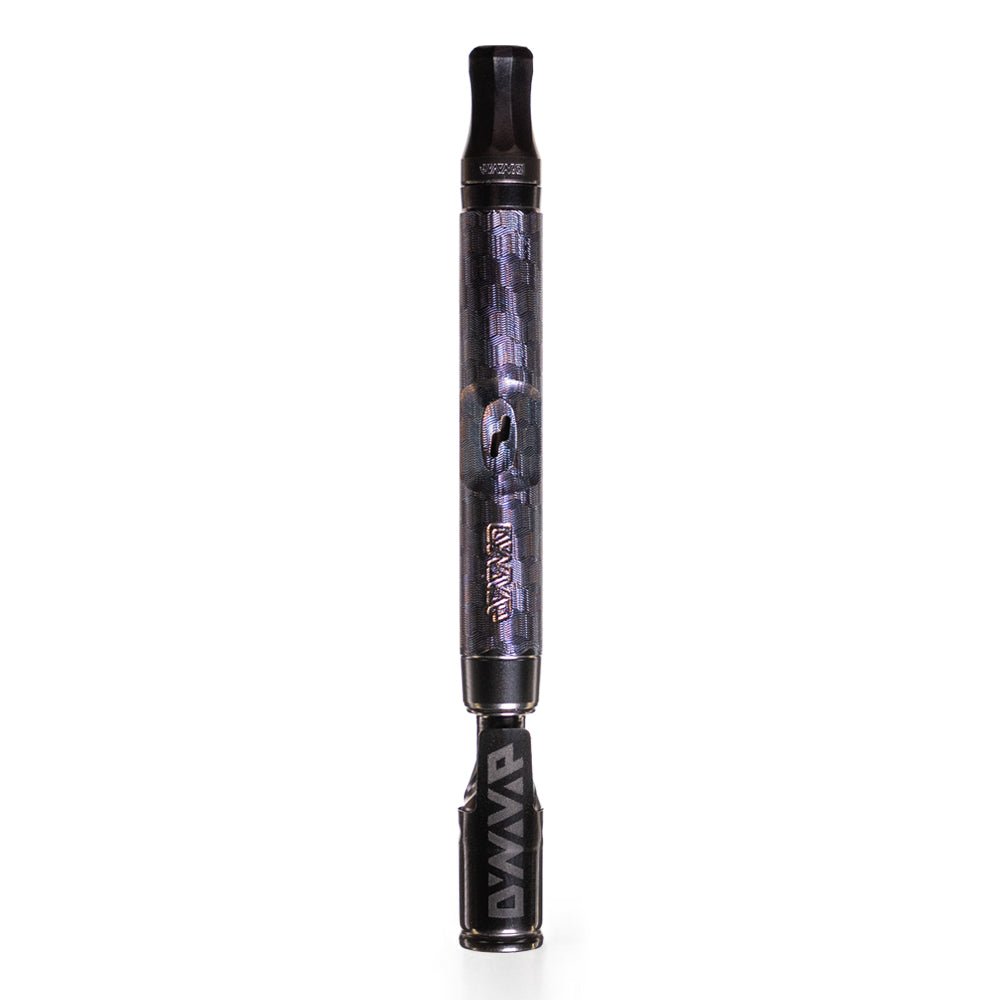
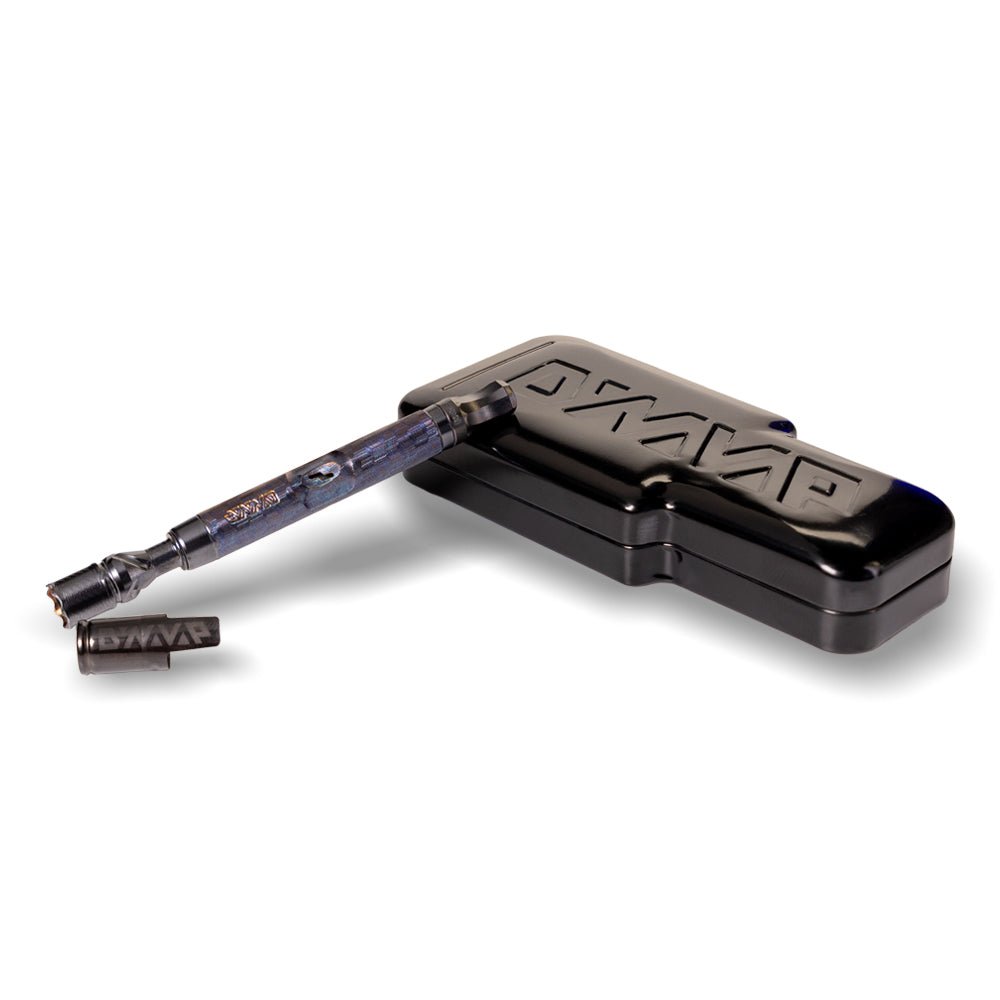
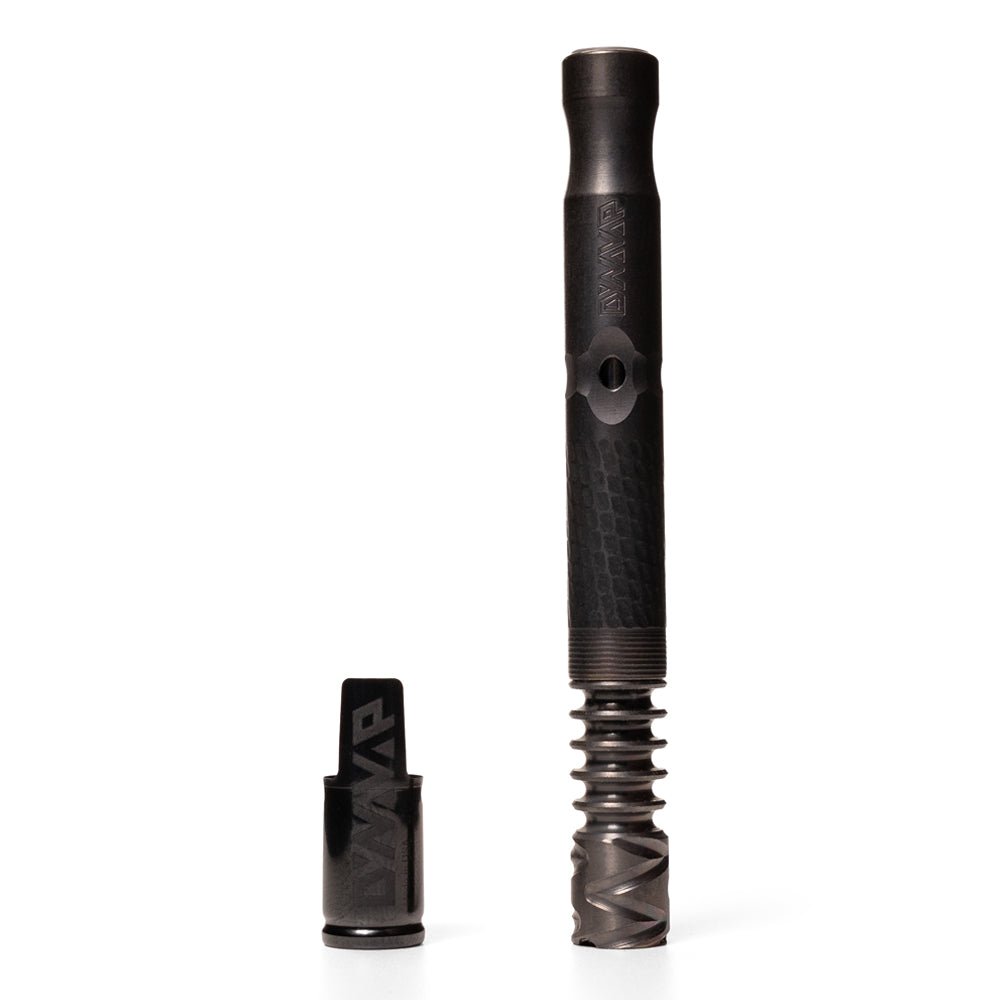
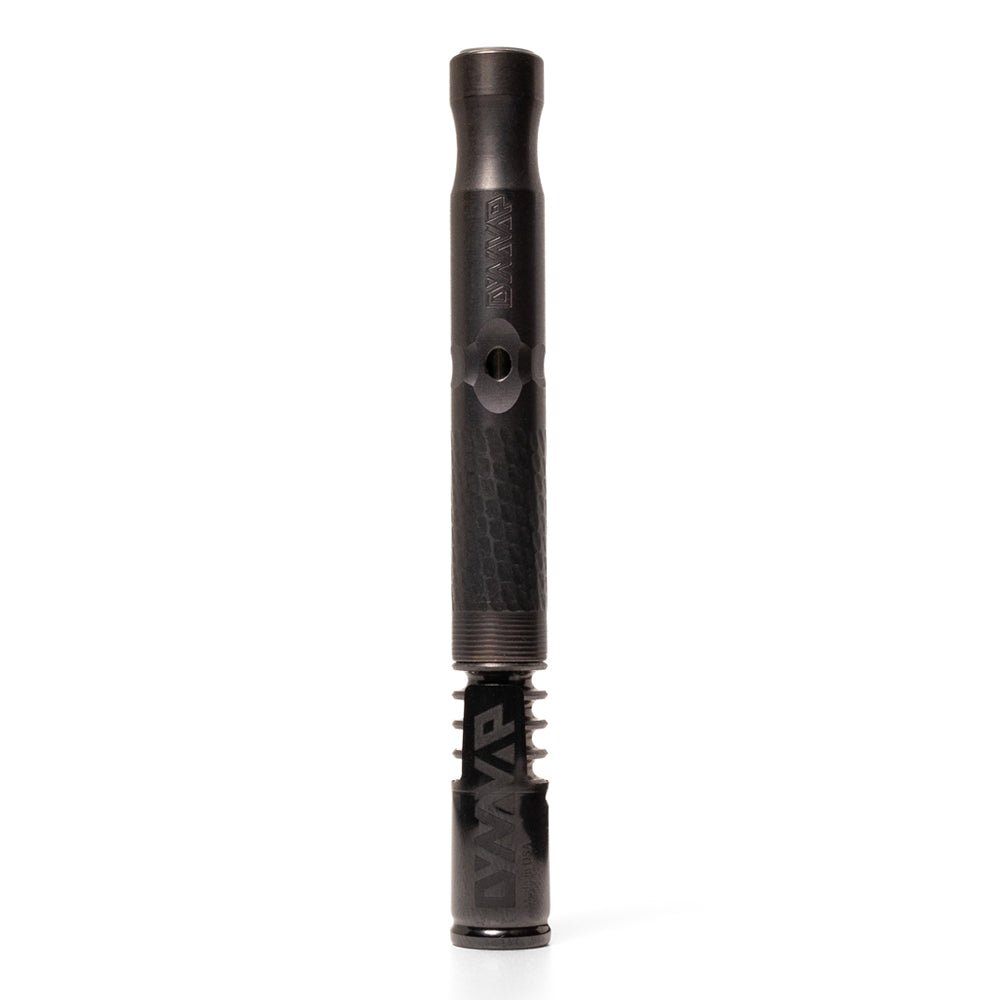
There’s something refreshing about stripping away screens and wires. Devices like our lineup of DynaVap Thermal Extraction Devices keep it simple. No charging, no chips - just you, your material, and the Cap’s telltale click (trust us, respecting the click is a game-changer). If you appreciate things built to last, like a favorite tool or a classic watch, you’ll probably connect with this approach. For those off-grid moments or when you want to keep things tactile and connected, a butane torch and your device can go a long way. The folks at Planet of the Vapes point out that you get strong results without ever hunting down an outlet. And if you want even more control at home, try pairing your DynaVap with an induction heater. This way, you still keep the manual feel without sacrificing consistency.
Battery-Powered Vaporizers: Plug-In Precision and Digital Ease
Prefer your routines straightforward and tech-infused? Battery-powered dry herb vaporizers fit easily into busy schedules. These devices excel if you value instant startups, digital temperature options, and the reliability of preset controls. Sites like Vapor.com lay out the benefits clearly: once charged, you’re ready to go with minimal guesswork - perfect for those new to herb or those wanting a dependable session every time. Premium options from brands have made electronic vapes nearly synonymous with portability and consistent performance. All that said, with electronics comes the reality of batteries to recharge and, eventually, replace. Some see that as a worthy trade for digital features; others prefer the battery-free route for sheer longevity.
Flame-Powered vs Battery-Powered: Learning Curve and User Experience
This is where the divide sharpens. Flame-powered or battery-powered, your first experience will differ. Manual TEDs, like everything in the DynaVap universe, reward a little practice. You’ll develop skill over time using torch technique, Cap timing, and managing the Heat Cycle. Embrace the curve, and you’re controlling every puff, much like finding your groove in pour-over coffee or getting a camp stove running just right. If you crave ritual and enjoy analog control, you’ll appreciate this style. With battery-powered vapes, you get a plug-and-play experience - the device does the thinking, you press a button, and the temperature stays steady. Great for simplicity and for those itching to jump right in.
Longevity, Maintenance, and the Reliability Question
You might wonder: which lasts longer? Here’s where flame-powered options really shine. With DynaVap, there’s not much to go wrong - no batteries, no screens. Maintenance stays simple: swap out a Cap, o-ring, or Circumferential Compression Diffuser (CCD) if needed, and your device is ready for another season. Most fixes you can do at home, and nothing requires fancy tools. Meanwhile, battery-powered dry herb vaporizers do have more moving parts - think batteries, circuit boards, and displays. These can eventually need an upgrade or replacement. For many, that’s just the price of digital convenience. If ultra-reliable, decade-span use is your goal though, battery-free really leads the field. Beginners often start with electronic models (like the easygoing Solo 3), but those wanting brutal mileage and custom tweaks keep returning to manual designs. Just wander through our Buyer’s Guide and you’ll see why.
Performance Face-Off: Power, Flavor, and Customization
Let’s settle the big three:
- Power & Extraction: Flame-powered vaporizers put you in the driver’s seat. You’re managing the heat, you’re listening for the Cap click, and you control every cycle. Nail your technique, and your sessions can be intense without the device holding you back.
- Flavor: Many find DynaVap TEDs bring out terpenes and delicate flavors thanks to the Low Temp Cap. Battery vapes can do a solid job, but higher settings may trade off flavor for bigger clouds.
- Customization: DynaVap devices are modular by design. Mix up tips, Caps, bodies, mouthpieces, and more. Most battery vapes stick to presets for user experience, though some brands offer a decent selection of accessories.
Which Vaporizer Matches Your Style?
| Your Priority | Vaporizer Strength |
|---|---|
| Beginner-friendliness / one-touch results | Battery-powered dry herb vaporizer |
| Longevity / off-grid reliability | Flame-powered vaporizer |
| Flavor focus and the ritual | Manual TED (torch or IH) |
| Digital features / no learning curve | Battery-powered option |
| Low maintenance & modular tweaks | Flame-powered (especially DynaVap) |
Not sure which DynaVap model fits you best? Swing by our Product Recommendation Quiz and come away with a personalized suggestion.
Frequently Asked Questions
-
Is a flame-powered vaporizer OK to use indoors?
You’re good as long as you practice torch safety - aim away from flammables and stick with quality butane. -
How hard is it to learn a manual vaporizer?
Most users are comfortable within a few sessions. Mastery comes with experience. Adjusting technique, experimenting with heat placement, and dialing in that perfect extraction leads to easy use. -
Can a flame-powered TED handle concentrates?
Absolutely - with the DynaCoil accessory, your DynaVap is ready for a variety of botanicals beyond dry herb. -
Are TEDs more portable than battery vapes?
Both slide easily into a pocket. DynaVap's TEDs are famously compact and you’ll only need a torch or Induction Heater (which fits right into a small pouch for travel). -
What’s the maintenance picture?
Battery-free is straightforward: periodic cleaning and the occasional part swap. Battery-powered vapes require software updates, battery replacements, and more attentive care if used daily.
The Bottom Line: Flame-Powered vs Battery-Powered, What’s the Call?
There’s no universal winner in the flame-powered vs battery-powered dry herb vaporizer conversation, only what fits your wants and rituals. If you like to take ownership of every session, value durability, or want to tweak and upgrade as you grow, you’ll feel right at home with a DynaVap Thermal Extraction Device. If you want instant ease, digital features, or something you turn on and use with minimal fuss, battery-powered vapes will work.