

Dry herb vaporizer vs smoking is not just a different way to consume flower. You are switching the kind of heat you apply, what you end up inhaling, how your herb tastes, and how much you can get out of a small load when your technique is on point.
If you are used to the simplicity of a flame and a roll-up, it is normal to wonder whether a Thermal Extraction Device will feel like a real upgrade or just another gadget on the table. We will keep this grounded and practical: what changes, what stays the same, and how to avoid the most common first-week mistakes.
Dry herb vaporizer vs smoking: combustion vs vapor in plain language
Here is the cleanest way to think about the dry herb vaporizer vs smoking question:
- Smoking means combustion. You burn the plant and inhale smoke.
- Vaporizing means thermal extraction. You heat the plant hot enough to release cannabinoids and terpenes as vapor, without actually burning the material.
That one change influences almost everything else. When flower burns, you create smoke and a long list of combustion byproducts. When you vaporize, you are aiming to stay below the point of ignition so you are inhaling vaporized compounds from the plant.
If you want a temperature-focused overview from a third party, HEMPER has a beginner-friendly explainer on controlled dry herb vaping that is worth reading once, then putting into practice: How to vape dry herb.
What actually changes in the chemistry when you vape flower instead of smoking
In a flower vape vs smoking flower comparison, the big chemistry shift is this: combustion creates a bunch of new compounds because plant material is literally burning. Vaporization is closer to “release what is already there,” just in a more controlled way.
Cannabinoids and terpenes do not all show up at the same temperature. That is why vaping can feel more adjustable. You can nudge your session toward bright flavor with lighter heat, or toward thicker hits with more heat, and the flower responds in a way a one-temperature flame does not.
If you are coming from smoking, that tunability can feel unfamiliar at first. You are not just “lighting it" - you are heating it up.
Dry herb vaporizer vs smoking: byproducts and what studies typically show
You do not have to take anyone’s word for it. When researchers compare smoke to vapor, a consistent theme shows up: vaporizing dry herb can reduce exposure to certain combustion byproducts compared to smoking, because you are avoiding burning the plant material.
Planet of the Vapes has a useful, study-oriented roundup that summarizes findings across multiple sources and also points out where the science is still developing: Dry herb vaporizers and health: scientific studies.
Two reality checks we always share:
- Vapor is not “clean air.” You are still inhaling something.
- Technique matters. Overheating any device can push you toward harsher results and worse flavor.
Greenleaf Medical Clinic also does a solid job explaining the underlying science of vaporization and why temperature control is central to the whole conversation: The science of vaporization.
Does the high feel different when you switch from smoking to vapor?
Often, yes. Not because vapor “does not work,” but because the delivery feels different.
Smoking is immediate. Combustion produces dense smoke fast, and the punchy onset can read as “stronger.” Vapor, especially on the lighter end of the heat range, can build more gradually. Plenty of people describe it as clearer and more strain-specific once they stop expecting every hit to feel like a freshly sparked bowl.
If you try vaping for a few days and keep thinking “this is weak,” it is usually one of these:
- You are not running enough heat cycles to fully extract the load.
- You are drawing too hard, which cools the oven area and thins vapor.
- You are packing like you would pack a pipe, which can choke airflow.
Flavor: the reason a combustion-free dry herb setup wins people over
If you care about taste, combustion-free dry herb sessions can be a lightbulb moment. Smoke has a strong personality. It tends to steamroll the nuance you paid for when you picked a strain, especially the more delicate, aromatic notes.
With vapor, you can actually separate flavors. You taste the sweet top note, then the citrus edge, then whatever earthy or grassy base is underneath. It is not poetic, it is just what happens when you are not adding “burnt plant” into the mix.
One practical tip: if your goal is flavor, do not chase clouds right out of the gate. Start lighter, find the taste, then add heat once you know what “good” looks like in your device.
Efficiency and value: why many people end up using less flower
When you move from smoke to vapor, you usually stop thinking in terms of “how big is the hit” and start thinking in terms of “how complete is the extraction.” That shift is where savings show up.
Dry herb vaporization can be efficient with smaller loads, especially when your airflow and heat cycle are consistent. The Kind Pen has a straightforward discussion of the potency and efficiency angle, including why vaping can feel strong with less material once you dial in your setup: Vaping vs smoking cannabis flower.
Another real-world perk: with vapor, the “leftovers” are not ash. Already-vaped bud (AVB) is a thing because the herb is heated, not incinerated. What you do with AVB is up to you, but it is a nice reminder that vaporization is a different process.
| Category | Smoking flower | Dry herb vaporizing (TED style) |
|---|---|---|
| Heat process | Combustion (burning) | Thermal extraction (vaporization) |
| Flavor | Smoky and often masks strain detail | Terpene-forward with more strain definition |
| Material use | Often more flower to maintain intensity | Often less flower once technique is consistent |
| Leftover material | Ash | AVB (already-vaped bud) that some users keep and repurpose |
| Session feel | Fast, one-and-done | Slower rhythm with multiple pulls and heat cycles |
Dry herb vaporizer vs smoking: the honest tradeoffs people do not mention enough
You do not have to pretend vaping is perfect to appreciate what it does well. A few tradeoffs come up again and again:
- The ritual changes. Rolling and sparking is simple and social. Vapor can feel more hands-on.
- You may miss the instant punch. The first few vapor sessions can feel “polite” until you learn how to extract fully.
- Gear quality matters. Inconsistent heating leads to inconsistent results, and that is a quick way to give up.
If you want a candid snapshot of what people notice when they switch, this community thread is a decent cross-section of real experiences: What changed for you when you switched?.
Where DynaVap fits: battery-free control, durable design, and the click
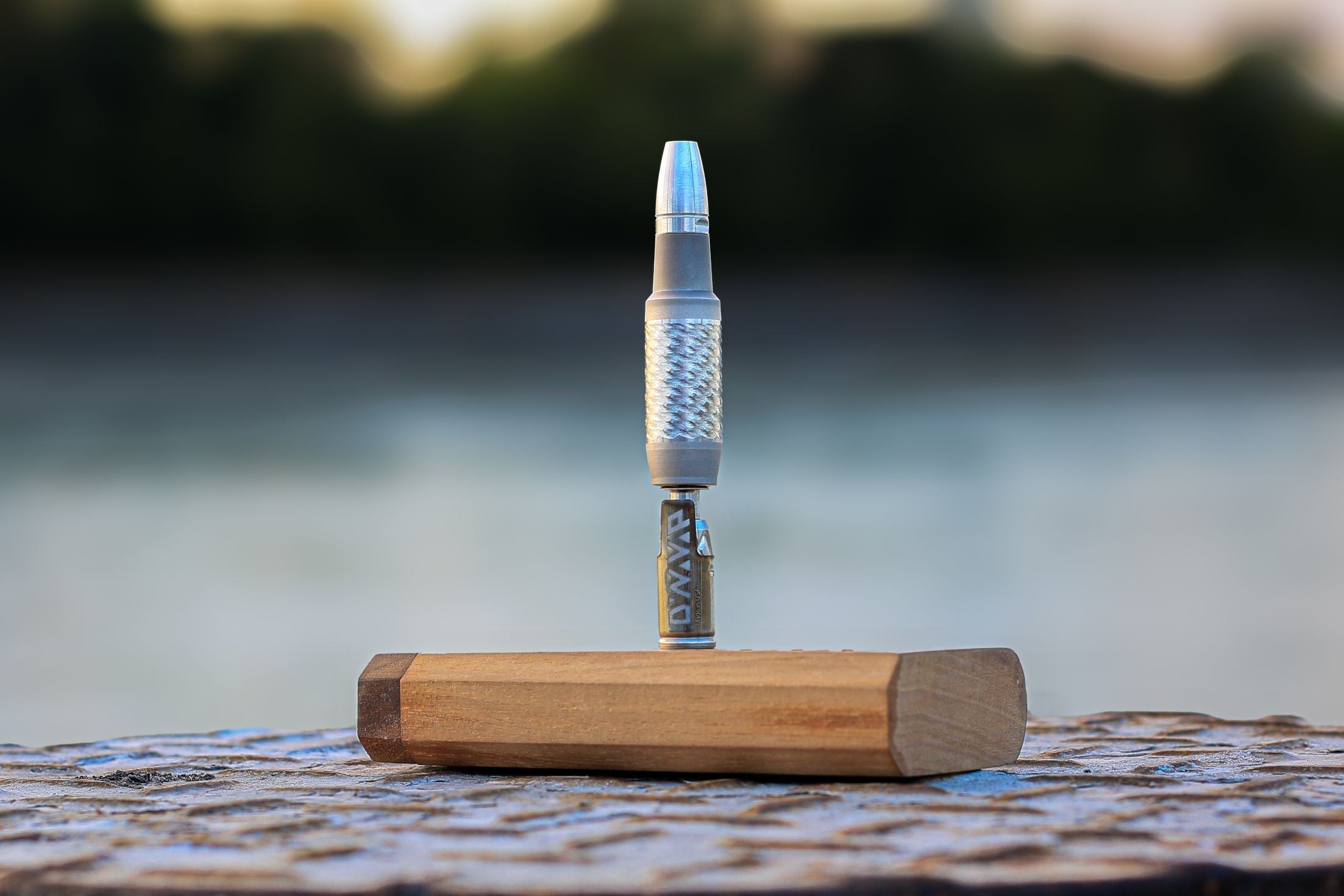
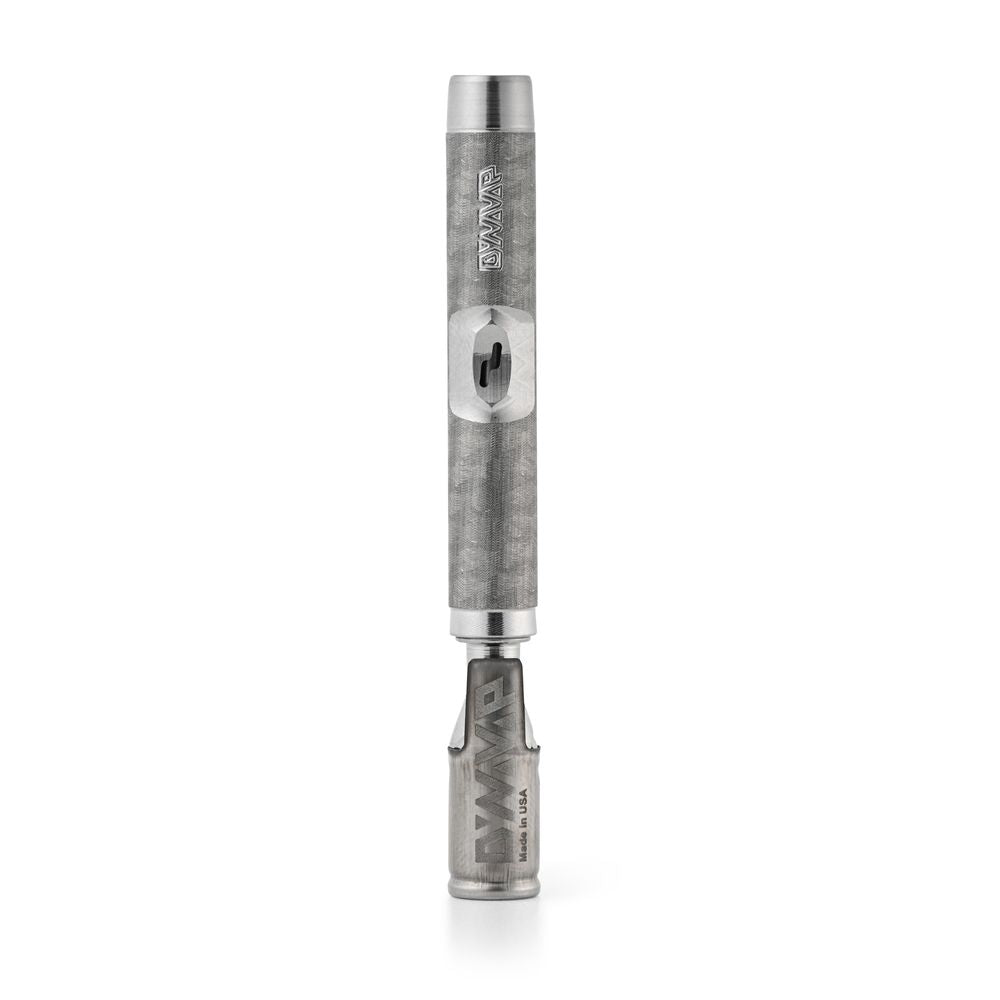
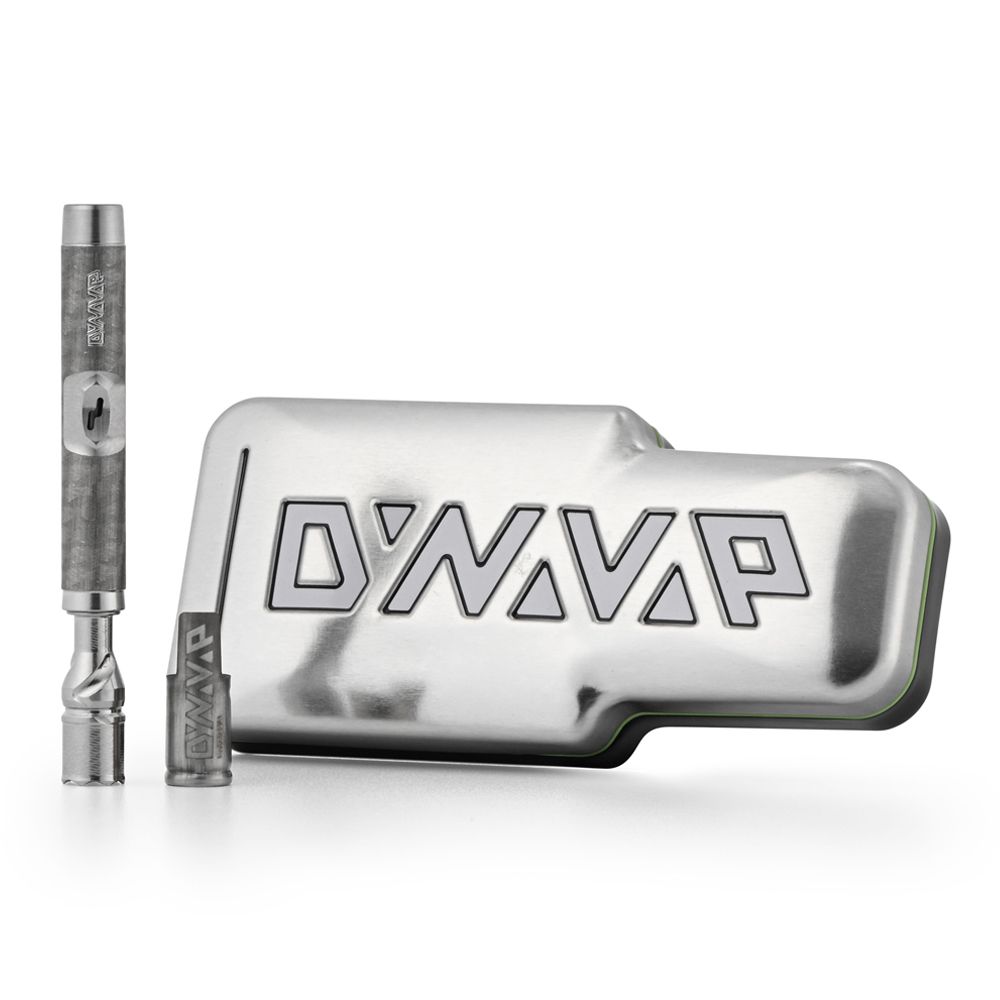
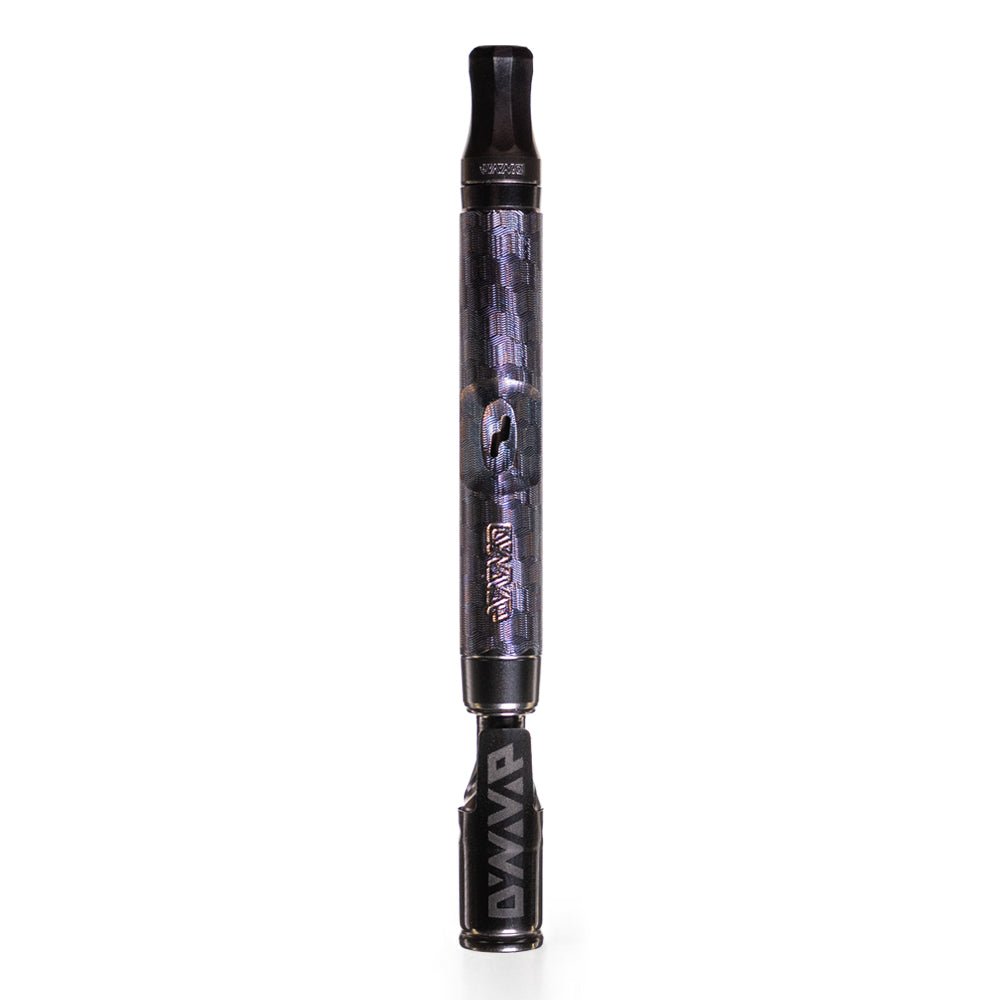
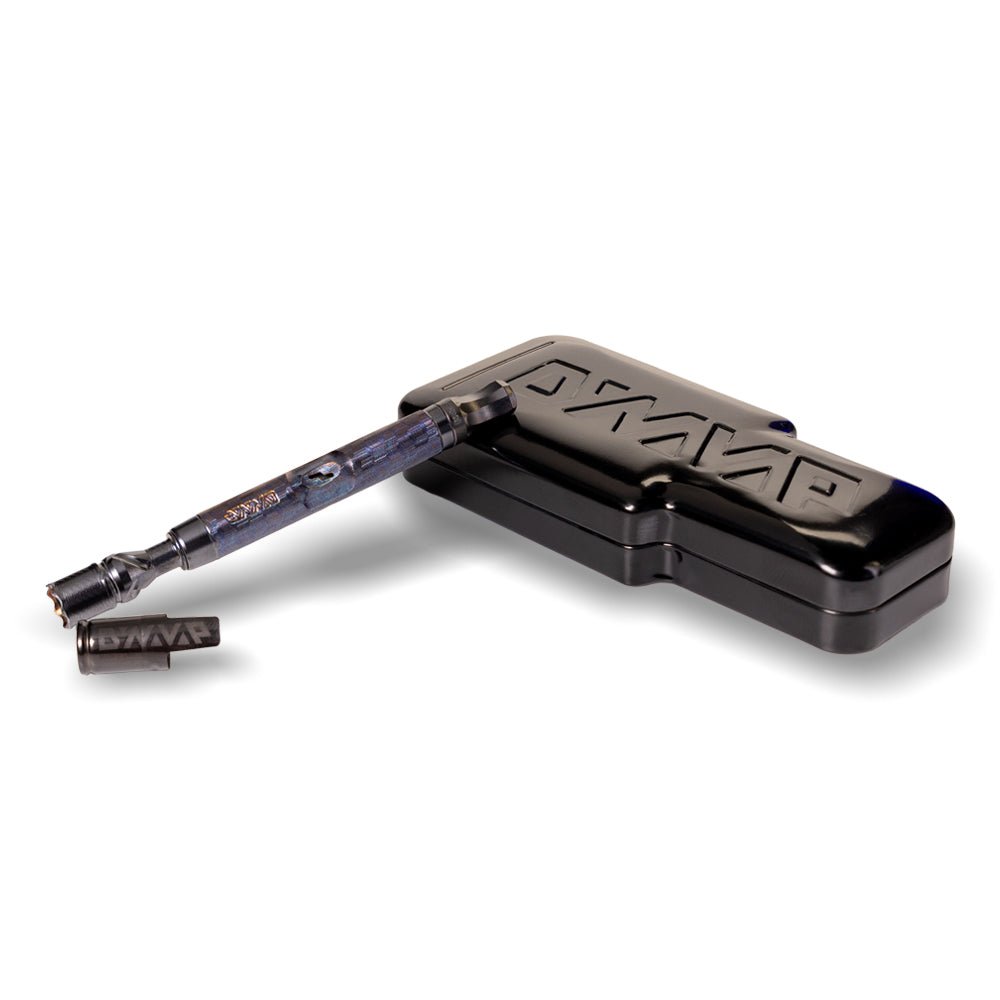
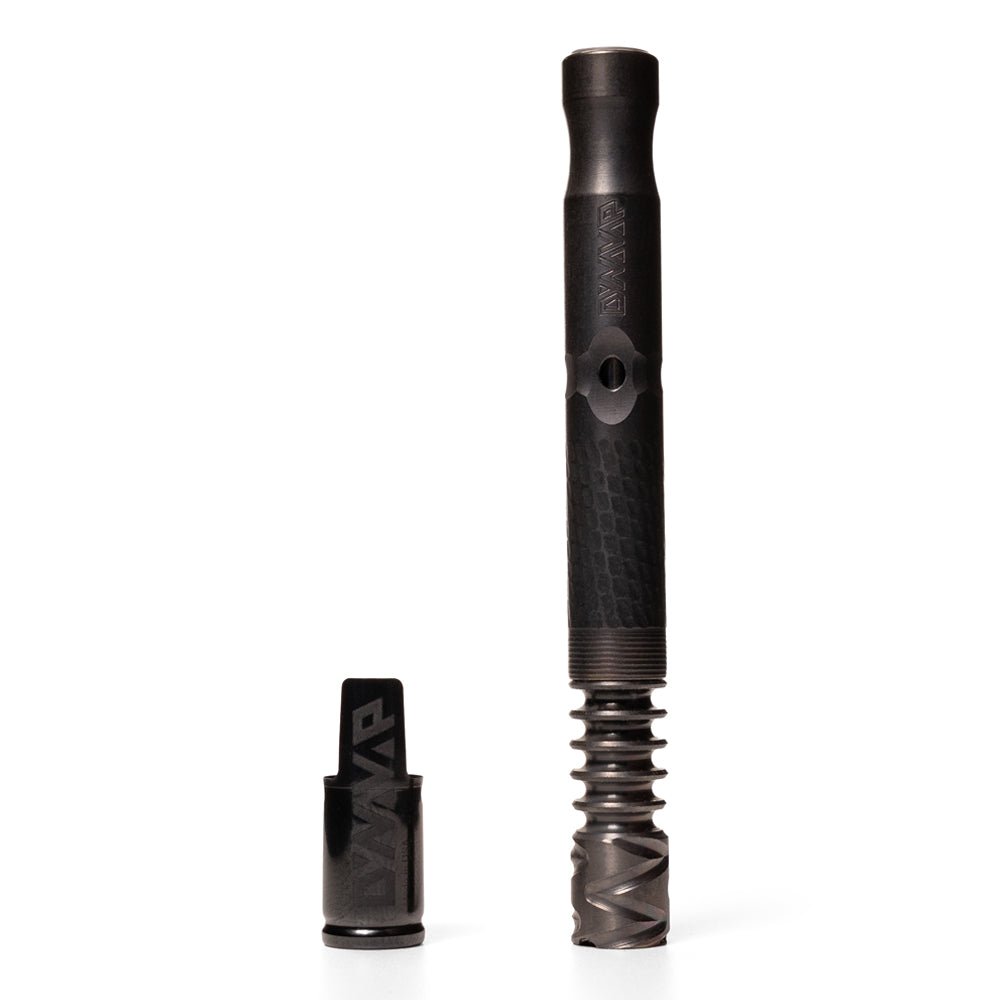
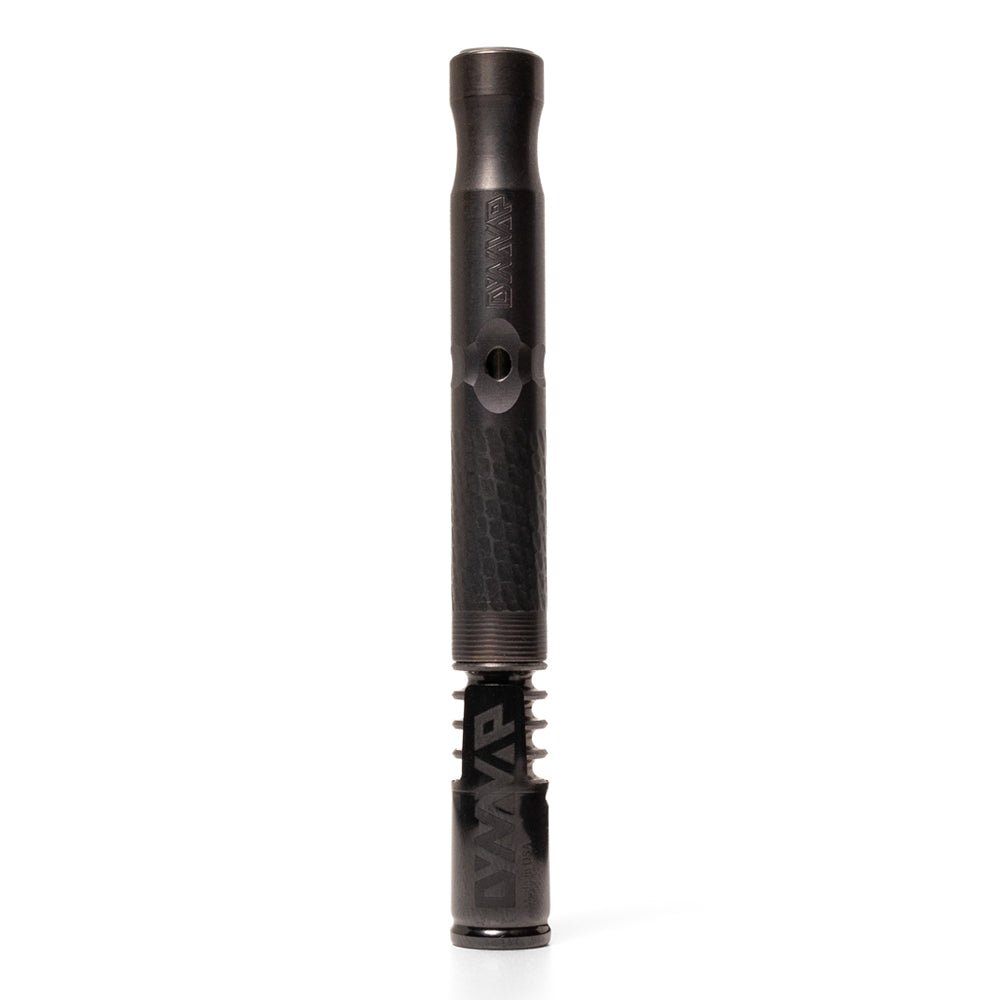
Our devices are battery-free dry herb vaporizers, also referred to as Thermal Extraction Devices (TEDs). You heat the Cap with Torch Heating or Induction Heating (IH), and the Cap gives you tactile temperature feedback with the signature click.
That is the whole idea behind Respect the Click. It is your guardrail for staying in vapor territory. Heat to the click, sip your pulls, then let it cool until the Cooldown Click says you are ready for another heat cycle.
If you want the simple walkthrough first, start here: How to use DynaVap.
Make your first sessions better: practical tips (so vapor does not feel “weak”)
If you take one thing from this post, take this: the “vaping is weak” problem is usually a setup problem. Fix the basics and you will feel the difference quickly.
- Grind medium and pack light. Airflow is your friend. Think “loose enough to breathe,” not “packed to survive a windstorm.”
- Draw slower than you do when smoking. Long, steady pulls help the heat do its job.
- Use full heat cycles. One quick puff is a common smoker habit. With a TED, extraction often takes a few pulls per heat cycle, and often multiple cycles per bowl.
- Change one variable at a time. Heat placement, heat time, flame size, and draw speed all matter. If you change everything at once, you will not know what fixed it.
- Start with flavor, then add intensity. If you start too hot trying to mimic smoke, you can scorch the load and ruin your own session.
If you want more repeatability while staying true to the battery-free ritual, Induction Heating can help standardize heat input. You can browse options here: Induction Heaters.
Picking a DynaVap setup without overthinking it
If you are early in the research phase, our best advice is to buy for your use case, not someone else’s highlight clip. Start with the basics, then upgrade as your preferences get specific.
- New to TEDs and want something simple: start with an easy, durable daily driver (like the B2 or M7) and focus on learning heat cycles.
- Flavor-first: you will care about heat control, consistency, and a clean vapor path.
- Water-piece use: you will want a setup designed to mate cleanly with common glass connections (like the B2 or VonG X).
- Small-load control: use Adjust-a-Bowl to shrink the chamber and keep sessions tight.
When you are ready to narrow it down, our Buyer’s Guide helps you match models and accessories to your goals.
FAQ: Dry herb vaporizer vs smoking flower
Is a dry herb vaporizer safer than smoking?
We do not call vaporizing “safe” or “risk-free.” Research comparisons do commonly show fewer combustion byproducts in vapor compared to smoke, but outcomes depend on device quality, temperature, and what is in your flower.
Why does vaping feel less intense at first?
Smoking is immediate and dense, so the onset feels punchy. With vapor, new users often underheat, draw too hard, or stop after one light pull. Run full heat cycles, slow your draw, and give yourself a few sessions to recalibrate.
Does vaping use less flower than smoking?
Yes, most people end up using less flower once they learn efficient extraction with smaller loads in a DynaVap TED. Your tolerance, heat style, and session habits still matter, so think of it as “often,” not “always.”
Can you combust with a Thermal Extraction Device?
Yes. Any externally heated setup can be overheated. With DynaVap, the Cap’s click is your built-in cue. Respect it, rotate while heating, and do not keep pushing heat after the click.
What is the quickest way to improve flavor?
Use less heat, draw slower, and keep your device clean. Also, do not overpack the Tip/chamber. Airflow makes flavor possible.
Conclusion: what changes, what stays, and what you should do next
When you compare dry herb vaporizer vs smoking, you are really comparing combustion to controlled thermal extraction. That difference shows up in byproducts, flavor, efficiency, and the way your session unfolds from the first pull to the last.
If you want a more controllable, combustion-free dry herb experience, and you like tools that are built to last, a battery-free Thermal Extraction Device is worth a serious look. Start with our Buyer’s Guide, pick a setup that fits your routine, and learn the heat cycle. Once you do, the rest gets fun fast.
If you want help dialing in flavor versus heavier extraction, tell us what you are using now, how you heat, and what you wish was different. We will point you toward the cleanest next step.